

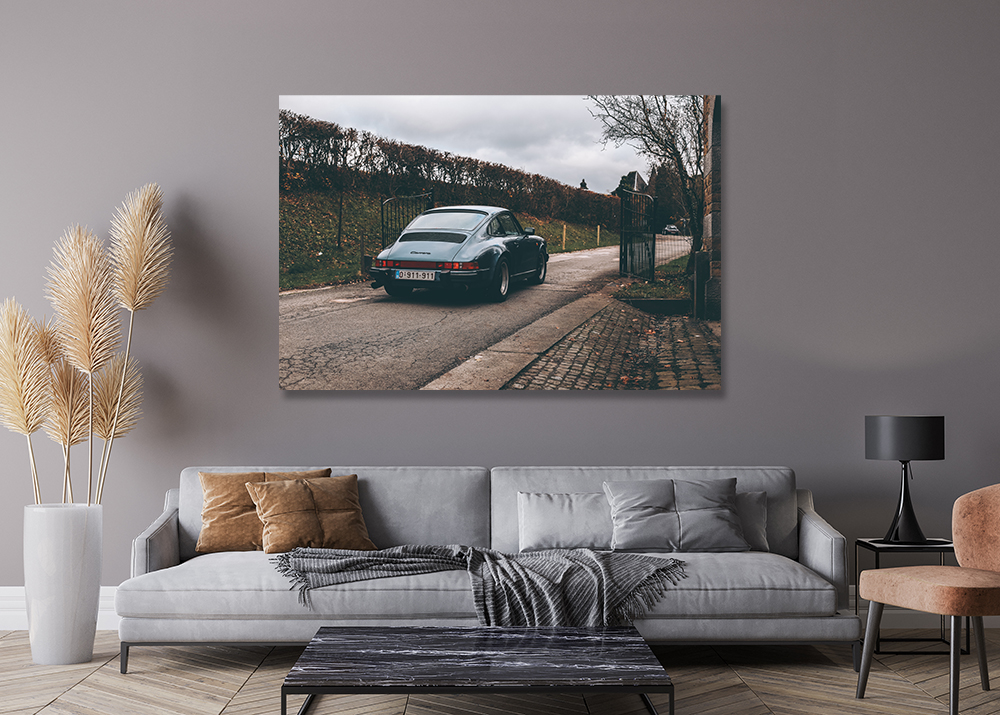
Some roads exist purely for the joy of driving them, and a handful exist as if they were designed for a camera. From Alpine hairpins to a coastline carved into cliffs, these are the European routes that keep showing up in car photography portfolios — and for good reason.
Table of Contents
- The Amalfi Coast, Italy: Cliffs, Curves, and Mediterranean Light
- Passo dello Stelvio, Italy: 48 Hairpins to the Sky
- The North Coast 500, Scotland: Wild Light and Empty Roads
- The Nürburgring and the Eifel, Germany: Where Legends Are Made
- The Transfăgărășan, Romania: Ceaușescu’s Road Through the Clouds
- Planning the Trip: Timing, Permits, and What to Pack
The Amalfi Coast, Italy: Cliffs, Curves, and Mediterranean Light
The SS163 that runs along the Amalfi Coast was carved into the cliffside in the 19th century and has barely been widened since — which is exactly why it photographs so well. Every few hundred meters, the road swings around a headland and opens onto a view of Positano’s pastel houses stacked above the sea, or a fishing village wedged into a ravine. The narrowness that makes the drive nerve-wracking is the same thing that puts your car and the coastline in the same frame without a telephoto lens.
Shoot in the early morning, ideally before 8am. By mid-morning the road fills with tour buses and delivery vans, and pulling over safely becomes difficult. The light off the water in the first hour after sunrise also has a softness that the harsh midday Mediterranean sun simply doesn’t offer.
Passo dello Stelvio, Italy: 48 Hairpins to the Sky
Regularly cited as one of the greatest driving roads in the world, the Stelvio Pass climbs to 2,758 meters through 48 numbered hairpin bends on its eastern side alone. From certain viewpoints partway up, you can see a dozen switchbacks stacked below you at once — a composition that simply doesn’t exist on flatter terrain. It’s one of the few roads where a wide-angle shot from above tells the whole story without a single car needing to be in motion.
The pass is only open from late May to October or November depending on snowfall, and it gets crowded with cyclists and motorcyclists on summer weekends. A weekday morning in June or September, right after the road opens for the season, tends to offer the best combination of clear tarmac and dramatic, still-snow-capped peaks in the background.
The North Coast 500, Scotland: Wild Light and Empty Roads
A 516-mile loop around the northern coast of Scotland, the NC500 trades hairpins for something rarer in European car photography: genuine emptiness. Single-track roads wind past sea lochs, ancient castles, and beaches that look more like the Caribbean than the North Atlantic, often without another vehicle in sight for miles. The unpredictable weather that Scotland is famous for is, from a photography standpoint, an asset — dramatic cloud cover and shifting light are far more interesting than a flat blue sky.
Because the road is largely single-track with passing places, courtesy matters as much as composition — pull fully into a passing place to shoot, never stop in the road itself. Late spring through early autumn gives the longest daylight hours, which in the far north of Scotland can stretch past 10pm in June.
The Nürburgring and the Eifel, Germany: Where Legends Are Made
The Nürburgring Nordschleife itself is difficult to photograph on public roads — it’s a private circuit, accessible to the public only during designated “Touristenfahrten” sessions, and photography from trackside requires the right vantage points and, often, a ticket to a spectator area. But the surrounding Eifel region more than makes up for it: a network of forested B-roads with the kind of flowing corners that made the Nordschleife famous in the first place, minus the traffic restrictions.
Autumn transforms the Eifel’s dense forests into a corridor of orange and red, which pairs dramatically with a dark-colored car and makes for some of the most striking automotive photography backdrops in Germany. If you do want Nordschleife shots specifically, the Brünnchen and Karussell corners are the most accessible and photographed spectator spots.
The Transfăgărășan, Romania: Ceaușescu’s Road Through the Clouds
Built in the 1970s as a military road across the Făgăraș Mountains, the Transfăgărășan gained international fame after being featured on Top Gear, and it remains one of Europe’s most dramatic — and least crowded — driving roads. It climbs to over 2,000 meters, tunneling through a mountain near the summit and passing the glacial Bâlea Lake along the way, with switchbacks that from above look almost like a drawn diagram rather than a real road.
Like the Stelvio, it’s a seasonal road, typically open from late June to late October and closed by snow the rest of the year. Because it remains less discovered than its Italian or French counterparts, a weekday visit in July or August can still mean having entire switchback sections almost entirely to yourself — increasingly rare for a road this photogenic.
Planning the Trip: Timing, Permits, and What to Pack
High-altitude passes like the Stelvio and the Transfăgărășan are only open a few months a year, so check current conditions before building a trip around them — both close without much notice if early snow arrives. For coastal roads like the Amalfi Coast, the opposite problem applies: avoid July and August entirely if possible, when tourist traffic turns a scenic drive into a slow crawl.
Bring a polarizing filter for the coastal and lake shots — it cuts glare off water and wet tarmac and deepens the sky color noticeably. And always scout a pull-off or viewpoint on foot before setting up a shot; several of these roads have no shoulder at all, and the difference between a great composition and a dangerous one is often just a few hundred meters of walking to the right spot. If you’re building a whole trip around driving roads, our guide to photographing your car in France covers the Col de Turini and the French Alps in more detail, and pairs naturally with a longer Alpine route through Italy and beyond.
Frequently Asked Questions
What is the best time of year for a European driving road trip?
Late spring (May–June) and early autumn (September–October) generally offer the best combination: high mountain passes are open, tourist crowds are thinner than in July and August, and the light is softer for photography.
Can you actually photograph the Nürburgring Nordschleife from public land?
Yes, from designated spectator areas such as Brünnchen and Karussell, though the circuit itself is private and only open to the public during scheduled Touristenfahrten sessions or race weekends.
Are the Stelvio Pass and Transfăgărășan safe to drive for photography stops?
Both roads are well maintained but have minimal shoulders on many hairpins. Use designated viewpoints and parking areas rather than stopping on the road itself, and always be visible to oncoming traffic.
Do I need a 4×4 or high-clearance car for these roads?
No. All the roads listed here are fully paved and accessible to any standard car. The main consideration is timing around seasonal closures at altitude, not vehicle capability.
Also Read
- Best Spots to Photograph Your Car in France: A Complete Guide
- Best Lens for Car Photography: A Complete Guide
- How to Photograph a Car at Night: Techniques for Spectacular Shots
- Nordic Landscapes: Iceland’s Waterfalls, Glaciers & Fjords as Fine Art
- American Muscle Cars: A Complete Guide to Fine Art Photography