

Some wall art decorates a room. Other pieces transform it entirely. Car wall art belongs to that second category — if you know how to choose it. The right format for your space, the right subject that speaks to you, the right finish that stands the test of time: here is the complete buying guide to get it right from the start.
Table of Contents
- Fine art print vs. poster: why the difference matters
- Which iconic car subject to choose for your space
- Size and finish: the choices that define the result
- How to hang and display car wall art at home
- What makes a limited edition worth the investment
Fine art print vs. poster: why the difference matters
Before thinking about which car or which composition, there is one point most buyers overlook: not all prints are equal. A mass-market poster has a limited lifespan — colours fade, paper degrades, and the result rarely has the depth you are looking for.
Quality car wall art is something else entirely. It is a high-resolution print on a premium substrate — Dibond aluminium, acrylic, or canvas — produced by specialist art labs using inks guaranteed for a minimum of 75 years. The difference is immediate: the depth of blacks, colour saturation, and overall contrast.
Automotive fine art photography adds further standards: it is produced as a limited edition, individually numbered, and accompanied by a certificate of authenticity. That is what separates a collectible from a decoration.
Which iconic car subject to choose for your space
This is often the first question buyers ask, and it matters far more than it seems. The subject of a car wall art piece says something about your personality as much as your décor.
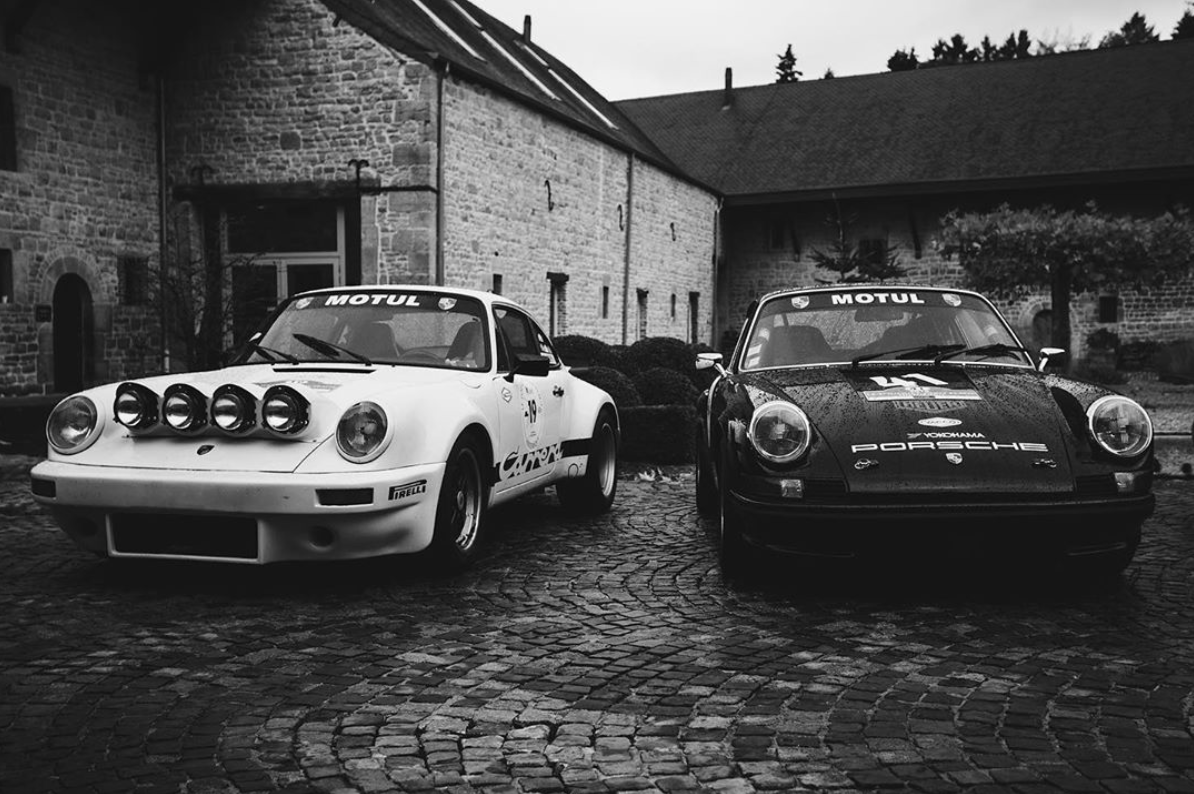
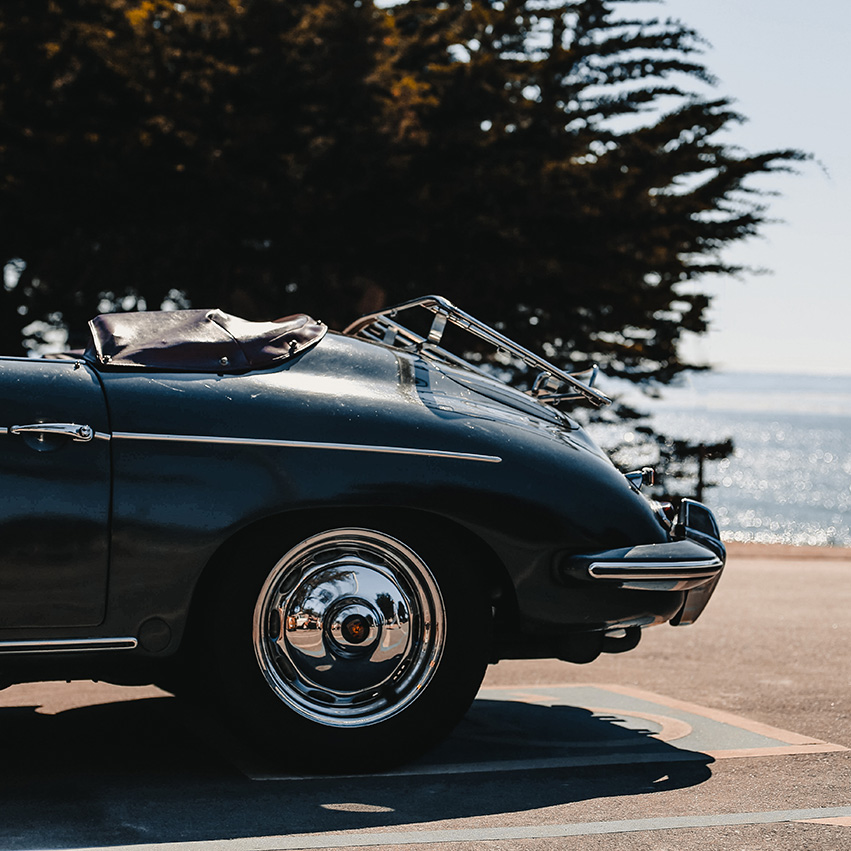
Icons and classics are the safe long-term investment. A Jaguar E-Type, a Porsche 911 from the 1970s, an Aston Martin DB5 — these subjects transcend trends. Their silhouettes are instantly recognisable, their history adds depth to the image, and their timeless aesthetic suits any premium interior.
Modern hypercars — Ferrari, Bugatti, McLaren — suit more contemporary spaces: open-plan apartments, premium home offices. They bring a different energy: speed, technology, ambition.
Black and white photography is a category of its own. Stripping away colour leaves only form, light, and geometry. In a neutral interior — grey, white, concrete — it creates a strong graphic statement. In a warmer palette, it creates elegant contrast. When in doubt, black and white is always the safe choice.
The simplest rule: choose a subject that makes you feel something the first time you look at it. A great car wall art piece should work like a favourite photograph — you never tire of it.
Size and finish: the choices that define the result
Once you have chosen the subject, two technical decisions will determine 80% of the final result.
Size must be proportional to your space. The rule of thumb: the artwork should fill between 60 and 75% of the width of the wall or the furniture beneath it. Too small, and it disappears; too large, and it overwhelms the room. For a standard 200 cm sofa, aim for a horizontal format of 120 to 150 cm. For a 3-metre wall, you can go up to 200 cm, or opt for a gallery wall arrangement with several pieces at varying sizes.
Finish options from a reputable art publisher generally come in three: Dibond aluminium (matte or semi-gloss, ideal for colour photography with high detail), acrylic / plexiglass (glass-like effect, exceptional contrast, best for dramatic lighting), and canvas (warmer texture, closest to a painting, suits traditional interiors). For modern or contemporary spaces, Dibond aluminium or acrylic almost always delivers the best result.
How to hang and display car wall art at home
Getting the right piece is half the work. Hanging it correctly is the other half.
Hanging height: the centre of the artwork should be at eye level — approximately 145 to 150 cm from the floor. In a seated space, such as a living room or dining area, lower it slightly to 130–140 cm.
Lighting transforms everything. Car wall art reveals its full richness under warm, directional light — an LED spot, a picture light, or a wall sconce aimed at the piece. This museum-style lighting dramatically changes the perceived depth of any print. Avoid placing car wall art directly opposite a window: direct sunlight degrades even the best prints over time.
Colour cohesion: your car print does not need to match your sofa exactly, but it should resonate with the room’s overall atmosphere. A black and white piece works anywhere. A colour print should share at least one or two tones with the room’s existing palette. For more inspiration on placement, see our guide to car photo wall art in the living room.
What makes a limited edition worth the investment
The car wall art market is broad, and not always transparent. Here are the objective criteria that separate a quality limited edition from an ordinary print dressed up as art.
The certificate of authenticity is non-negotiable. It must state: the photographer’s name, the title of the work, the edition number (e.g. 7/30), the print dimensions, the substrate used, and the edition date. Without a certificate, there is no limited edition.
True limited editions: be wary of “limited editions” running to 500 copies. A genuine art print never exceeds 30 to 50 copies — many stop at 10 or 15. Rarity is intrinsic to value.
Identified photographer and publisher: quality car wall art is always linked to a named photographer with a visible body of work, and a publisher who stakes their reputation on every print. At Cars and Roses, each edition is individually numbered, limited to a maximum of 30 copies, and printed in Europe on Dibond aluminium or acrylic by specialist art labs. Explore the full automotive collection.
FAQ — Car Wall Art Buying Guide
What size car wall art for a living room?
For a standard living room, a horizontal format of 80×60 cm to 120×90 cm works for most walls. For a large feature wall (3 m+), aim for 150×100 cm or larger, or consider a gallery wall arrangement.
Should I choose colour or black and white?
It depends on your space. Colour adds vibrancy and emotion — perfect for a red Ferrari or a blue Bugatti. Black and white is more timeless and adapts to any interior style. If unsure, black and white is always the safe choice.
Which finish lasts longest?
Dibond aluminium with UV printing is the most durable — resistant to humidity, minor impacts, and temperature changes. Acrylic offers the best visual impact but is slightly more vulnerable to direct impacts.
How do I hang large car wall art without damaging walls?
For formats over 80×60 cm, use two robust hooks anchored in wall plugs appropriate to your wall type — concrete, plaster, or brick. Our prints ship with a ready-to-hang mounting system included.
Can car wall art work in any décor style?
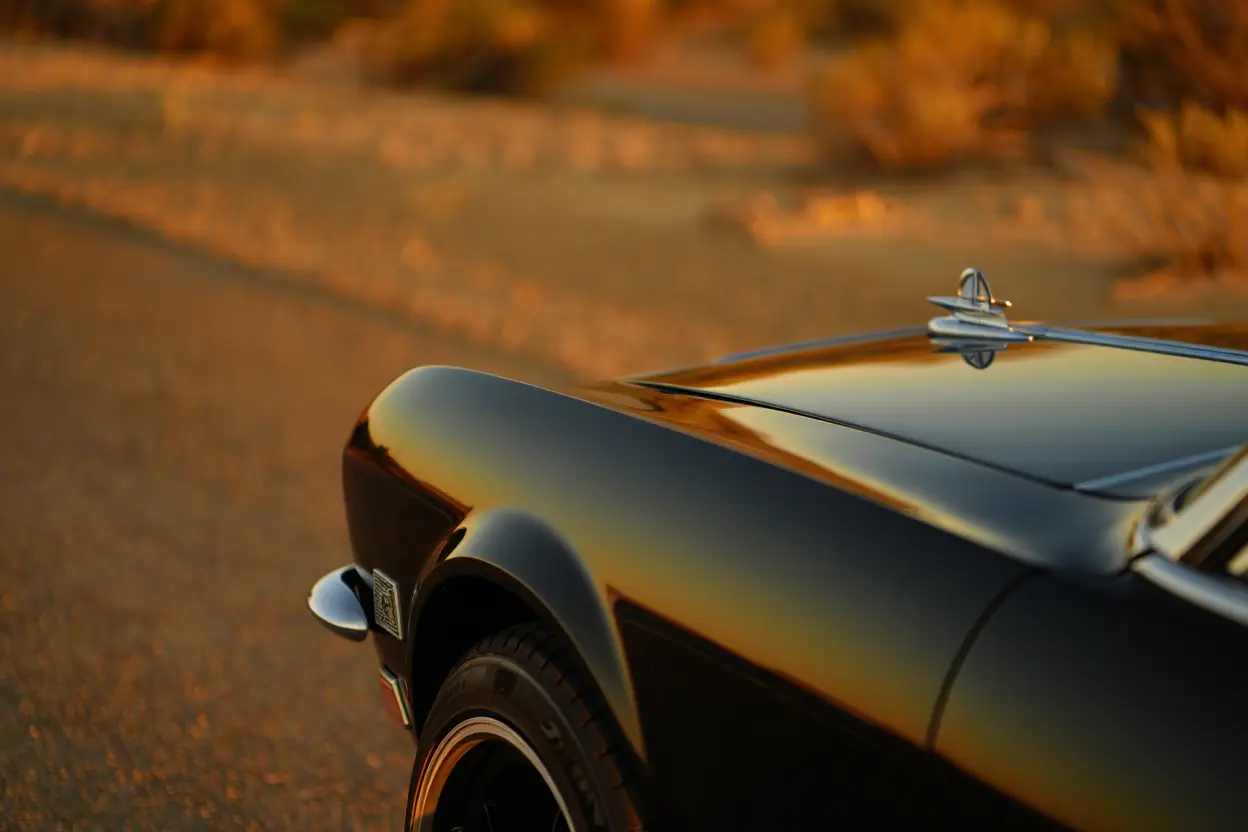
Absolutely. Black and white automotive photography, tight close-up shots (steering wheel, wing mirror, bodywork detail), and artistic angles transcend the “car” subject. They are graphic compositions that work in any interior context, including feminine or minimalist styles.
Find your perfect car wall art
Numbered fine art editions, printed on Dibond aluminium or acrylic — from $78.