

You’ve found the perfect photograph. It speaks to you, it fits your interior, you can already picture where it will go. One question remains: fine art print or poster? The difference isn’t just visual — it’s about print quality, longevity, and the real impact of the image once it’s on your wall.
What Is a Fine Art Print? Definition and Characteristics
A fine art print is a photographic print produced on supports and with inks designed to last. The most common process is giclée printing (precision inkjet): pigment inks are projected in micro-droplets onto cotton paper, baryta paper, or aluminium dibond. The result is unmatched colour depth, detail resolution, and long-term stability.
A quality fine art print is conservation-rated — typically 70 to 100 years of life without significant degradation, provided it’s kept away from direct light. Each edition is numbered, often signed, which gives it collector value. It’s an object built to last, and it knows it.
In automotive photography specifically, fine art prints restore the bodywork details, reflections on polished metal, road textures — everything a passionate eye seeks in an image. The difference from a standard poster is visible immediately, with the naked eye, from the first few feet of distance.
The Poster: Accessible but Limited
The poster remains an affordable and decorative option. It’s printed on standard coated paper, with less concentrated pigment inks or dye-based inks. Cost is low, turnaround is quick, and there are thousands of designs available. For a student bedroom, a temporary office, or a space where the image will be changed regularly, a poster does the job perfectly.
Its limits appear quickly, however. Coated paper reflects light differently at different viewing angles, creating glare. Colours can shift even at production, trending toward less faithful tones than the original. And above all, degradation is rapid: yellowing within a few years under artificial light, fading within months if exposed to natural light.
Key Differences: Paper, Durability, Visual Quality
The fundamental distinction between a fine art print and a poster comes down to three variables: the substrate, the inks, and the calibration process.
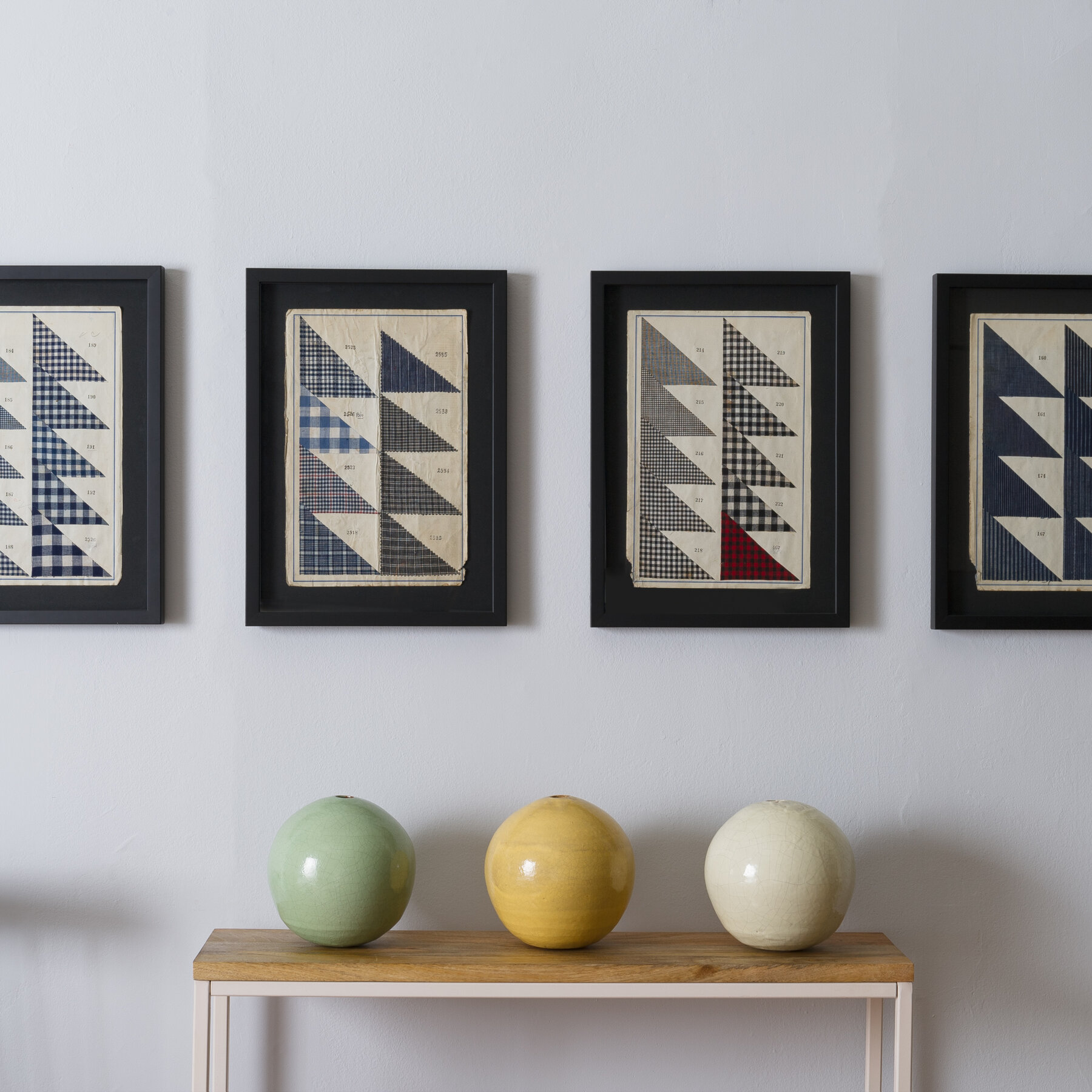
The substrate of a fine art print is either baryta paper (a barium sulphate coating that absorbs inks precisely and fixes them), 100% acid-free cotton paper, or aluminium dibond — a composite aluminium sheet offering frameless rigidity and impact resistance. A poster is printed on ordinary coated paper, thin and poorly resistant to humidity.
The pigment inks used in fine art printing have a more chemically stable molecule than dye-based inks. They resist UV, humidity, and oxidation. This translates to a certified conservation life — often 70 to 100 years — which has nothing in common with the 5 to 10 years of a poster under good conditions.
Finally, colour calibration: a fine art print is produced on a precision-calibrated printer with accurate ICC profiles, often verified by the photographer themselves before delivery. The result matches the original creative intent, not an automated interpretation.
Which Format to Choose Based on Your Interior and Budget?
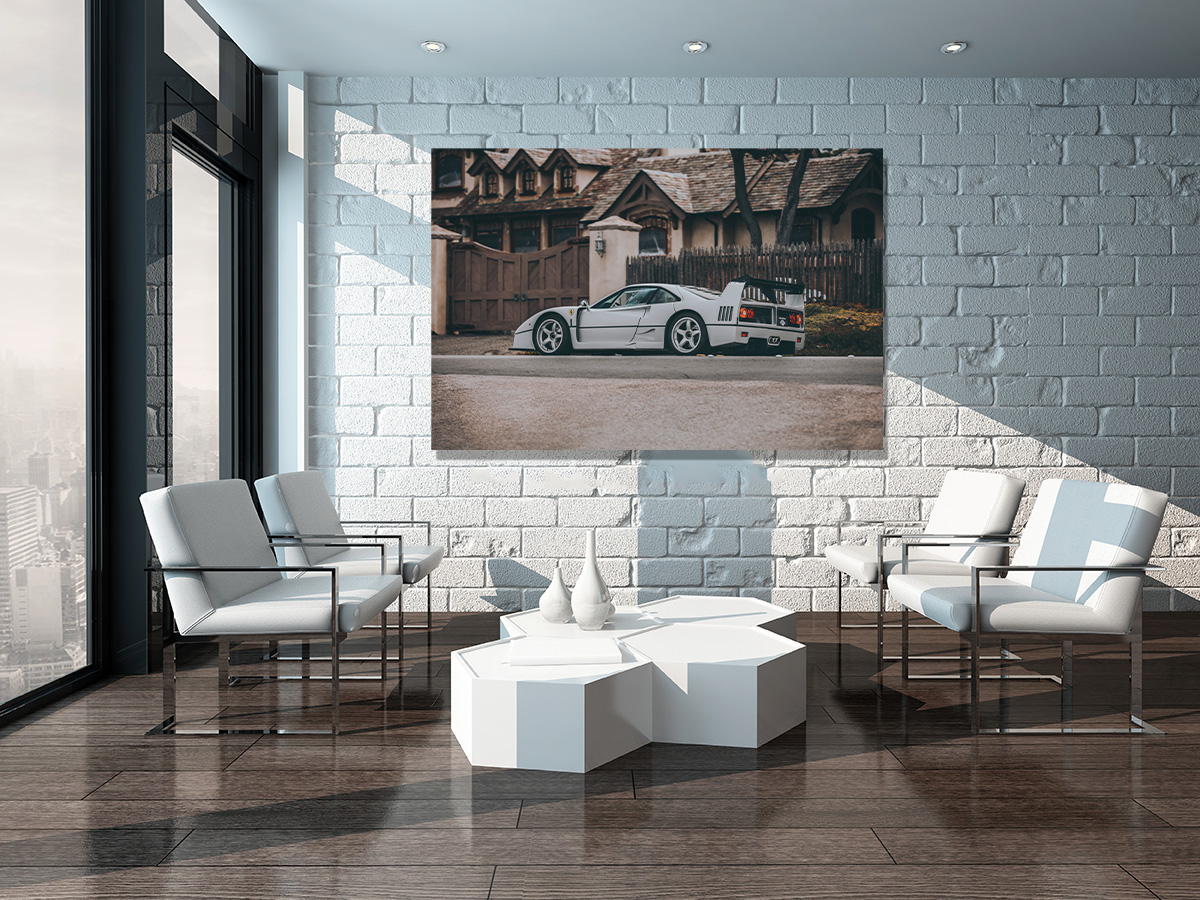
The choice between fine art print and poster depends first on your intended use. If the image is meant to stay in your home for several years — living room, study, statement corridor — a fine art print is the pertinent investment. If you’re decorating a temporary space or want to test a composition before committing to a large format, a poster can serve as a first step.
In terms of budget, an automotive fine art print in 60×40 cm format typically starts around $90–130. Large formats (100×70 or 120×80 cm) on aluminium dibond sit more in the $200–400 range depending on substrate complexity. A poster of the same size rarely costs more than $30 — but a side-by-side comparison immediately reveals the difference in class.
Where to Find Quality Fine Art Prints for Your Home?
The fine art automotive print market is still niche, but it exists. Specialist automotive photography galleries typically offer numbered series with certificates of authenticity. For automotive photography in particular, a few names stand out for the quality of their production and the coherence of their catalogue.
The safest approach is to choose a photographer or gallery that controls the entire chain: shooting, post-processing, substrate selection, and quality control before delivery. Always ask for information on the paper used, the inks, and the certified conservation life. A genuine fine art print isn’t embarrassed to share these details — they’re part of its value.
At Cars and Roses, every print is produced on demand, on baryta paper or aluminium dibond, with certified long-life pigment inks. Sports car photography, classic cars, and automotive landscapes are available in several formats, tailored to your space and the effect you’re after.
FAQ — Fine Art Print vs Poster
- How long does a fine art print last?
- A fine art print produced with pigment inks on certified baryta or cotton paper can last 70 to 100 years without significant degradation, kept away from direct light and humidity. A standard poster, under the same conditions, will start yellowing after 5 to 10 years.
- Is the quality difference between fine art and poster actually visible?
- Yes, immediately. Black depth, detail resolution in the highlights, and colour fidelity are markedly superior on a fine art print. The difference is visible to the naked eye, even without any expertise in photography.
- Can a fine art print be framed like a poster?
- Absolutely. Paper prints can be framed with or without a mat. Aluminium dibond prints are typically hung directly on the wall without a frame, reinforcing their contemporary feel. In both cases, UV-protective glass is recommended to maximise conservation.
- What size fine art print should I choose for a medium living room?
- For a standard living room (10–13 foot wall), an 80×60 cm format creates strong visual impact without overwhelming the space. A 100×70 cm works well as a feature wall focal point. For hallways or narrower spaces, 60×40 cm is often ideal.
Explore Our Fine Art Automotive Prints
Every photograph is produced on demand, on baryta paper or aluminium dibond.
Browse Available PrintsRead Also
- How to Choose the Right Size for Your Photo Print: The Practical Guide
- Black and White Car Photography: The Complete Guide
- Best Spots to Photograph Your Car in France