

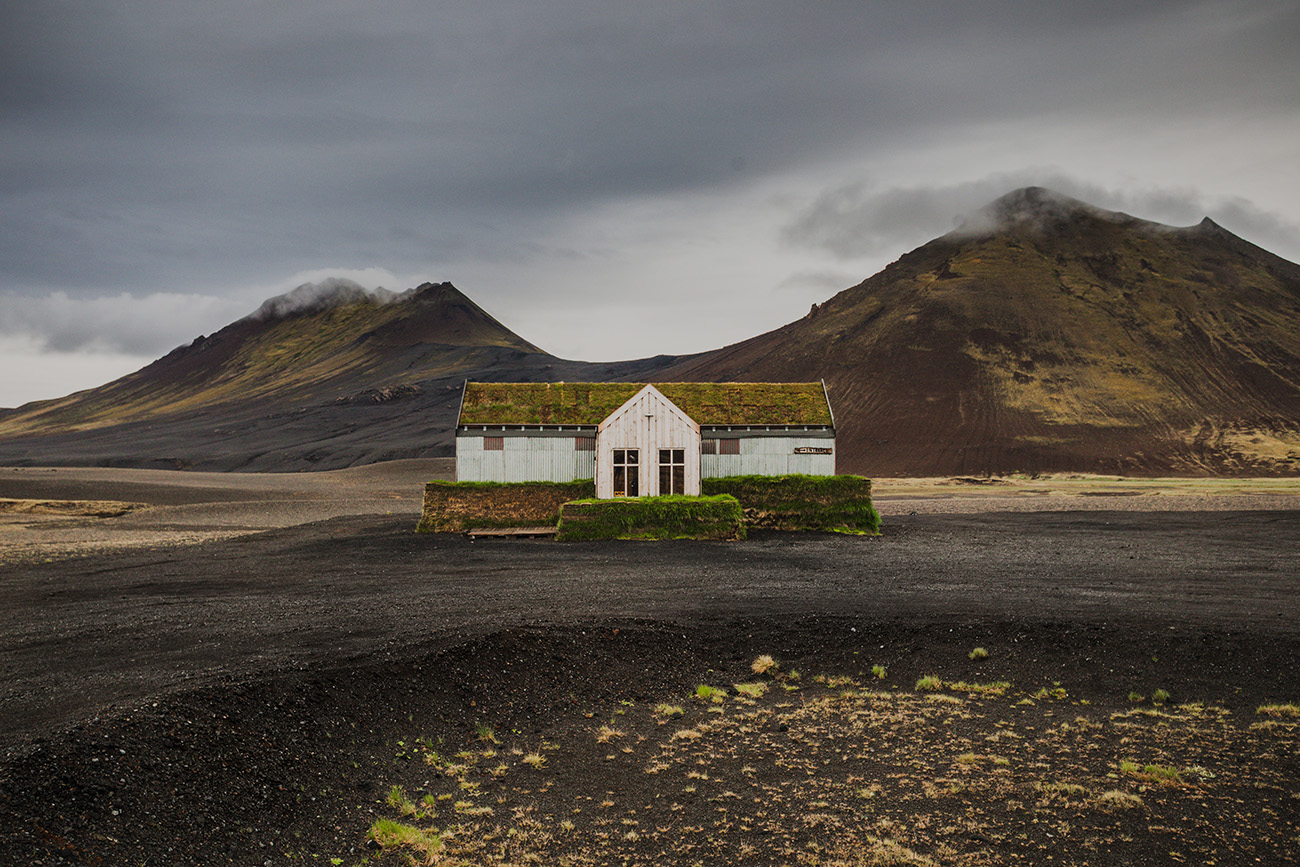
In a world saturated with images, Nordic landscape photography stands in a category of its own — capable of transforming a wall into an open window onto the infinite. From Iceland’s volcanic expanses to Norway’s vertiginous fjords, these spectacular scenes that few travelers ever witness in person can now hang in your home as a limited edition fine art print.
Why Nordic landscapes captivate art collectors
There is something irreducible about Nordic landscapes — a raking light, a palette of hues that nature seems to deliver only at extreme latitudes, a silence you almost believe you can hear. This is precisely what today’s collectors and interior design enthusiasts are looking for: a powerful presence, immediate emotion.
Nordic landscape photography has been claiming an ever-greater place in contemporary interiors. Where the 2010s saw urban and industrial aesthetics triumph, this decade has brought a return to wild nature and open spaces. Art galleries, luxury hotels and high-end apartments confirm it: the great north has become a major aesthetic reference.
Beyond the trend, these works answer a demand for authenticity. A photograph of the northern lights or an Icelandic glacier is not merely a decorative image — it is a testament to the moment, proof that the photographer was there, in the cold, waiting for perfect light. This invisible but felt narrative is what distinguishes fine art photography from ordinary décor prints.

What makes a great Nordic landscape photograph
Not all fjord images are created equal. The difference between a decorative photograph and a Fine Art work comes down to a few precise criteria that every discerning buyer should understand before investing.
Light: experienced Nordic photographers know this — the golden hours at these latitudes can last for hours on end in summer, or amount to just a few minutes of slanting glow in winter. Only an intimate knowledge of the terrain and extraordinary patience allow the photographer to capture this singular light. A technically correct photograph shot in flat light will never become a great work of art.
Composition: open Nordic spaces are deceptive. Immensity can easily produce an image with no focal point, no rhythm. Fine art photographers know how to structure the frame — a shoreline, a rock, a reflection on a frozen lake — to create depth that draws the eye toward the horizon.
Limited edition and printing: a Nordic landscape photograph only achieves the status of a work of art when printed on a premium medium in a numbered edition. Fine art baryta paper, aluminium Dibond, plexiglass — each medium gives a different interpretation of the image. Limited editions (20 to 150 copies depending on format) guarantee rarity and lasting value.
Auroras, fjords and glaciers: the key subjects to know
The Nordic world offers a palette of visually powerful subjects, each carrying its own identity and different decorative resonances.
The northern lights are arguably the most sought-after subject. Green, violet, sometimes red — the electric colors of these solar phenomena against a starlit sky create images of rare intensity. An aurora photograph suits contemporary interiors with dark tones, or spaces that play with artificial light.
Norway’s fjords impose through sheer mass: mountains plunging vertically into black or emerald waters, clouds clinging to summits, morning mists that make distances impossible to judge. These often vertical or panoramic compositions are ideal for large walls, double-height spaces or entrance halls.
Iceland’s volcanic landscapes offer a unique palette: basalt blacks, arctic moss greens, ochres and sulphurs. Iceland is a photographic subject unto itself — an island that concentrates in a few thousand square kilometres more visual diversity than most continents.
Scandinavian snow scenes — frosty birch forests, frozen lakes, red cabins against white — bring a Nordic softness that the northern lights do not possess. These are works for interiors that seek serenity rather than spectacle.
How to display Nordic photography in your home
A Nordic landscape photograph is not a picture you hang just anywhere. Its visual power requires a thoughtful setting to reach its full impact.

Solo wall display: for large formats (100×150 cm and above), the photograph works best presented alone, on a neutral wall, without visual competition. An off-white or polished concrete background amplifies the effect. Avoid heavily patterned wallpaper or overly saturated colours that compete with the artwork’s palette.
Gallery wall: a composition of several Nordic photographs in medium formats (40×60 to 60×90 cm) can be equally striking. Work with complementary images — an aurora, a fjord, a snow scene — that share a chromatic palette to give the arrangement coherence.
Medium choice: aluminium Dibond is particularly well-suited to Nordic landscape photography for its contrast-rich rendering and lightness. Plexiglass amplifies bright areas — ideal for northern lights. Fine art baryta paper brings a classical softness, closer to watercolour, that suits snow or misty landscapes best.
Choosing your print: size, medium and limited edition
Purchasing a Nordic landscape photograph in limited edition deserves a few minutes of thought. The right size and medium make all the difference between a beautiful image and a work that genuinely transforms a space.
For panoramic landscapes — fjords, Icelandic plains, snowfields — the horizontal format is the natural choice, ideally in a 3:2 or 16:9 ratio to follow the width of the scene. Formats from 80×120 cm begin to create an immersive presence. Below that, the effect remains decorative but loses its power.
For northern lights, square or slightly vertical formats allow both sky and foreground — often a snow landscape, a frozen lake or a pine forest — to be included, anchoring the image in context and giving it narrative depth.
On edition number, a low numbering (1/20, 2/20) is generally preferable for lasting value. If your priority is decoration, an edition of 50 or 100 copies allows you to acquire the work at a more accessible price point — from $78 at Cars and Roses, each print accompanied by a certificate of authenticity.
Discover our collection of Nordic landscape photography in limited edition
FAQ — Nordic Landscape Photography
What is the best size for a Nordic landscape photograph?
For maximum impact, choose a format from 80×120 cm. Panoramic landscapes (fjords, plains) suit wide horizontal formats, while northern lights photographs can be presented in square or slightly vertical formats to include the foreground.
Which medium should I use for a Nordic landscape print?
Aluminium Dibond is the most versatile medium — it enhances contrast and suits all interior styles. Plexiglass intensifies luminous tones, ideal for northern lights. Fine art baryta paper brings a classical softness suited to snowy or misty landscapes.
How do I choose between a northern lights image and a fjord landscape?
Ask yourself what atmosphere you want: auroras create a spectacular, contemporary feel, ideal for living spaces with dark tones. Fjords and snowy scenes bring calm and serenity — perfect for bedrooms or workspaces.
Are Nordic landscape prints available as limited editions?
Yes. At Cars and Roses, each Nordic landscape photograph is numbered and includes a certificate of authenticity. Editions range from 20 to 150 copies depending on format, ensuring rarity and lasting value.
Does Nordic landscape photography suit all interior styles?
It pairs particularly well with Scandinavian, minimalist and contemporary interiors. But a well-chosen Nordic photograph can also create a striking contrast in a classic or industrial setting — it is often this unexpected pairing that produces the strongest effect.