

A living room reveals itself through what you choose to put on its walls. Landscape photography has a rare power: it transforms a blank wall into a horizon — opening your interior space toward something larger, wilder, and more free. But choosing the right image, the right format, the right print medium, and knowing how to display it makes all the difference. This guide gives you everything you need to elevate your living room with a landscape photograph.
Contents
- Why a landscape photograph transforms a living room
- Choosing your landscape: Nordic, Mediterranean, or wild?
- Format and print medium: the keys to a successful display
- How to hang and stage a landscape photograph
- The 5 mistakes to avoid
Why a landscape photograph transforms a living room
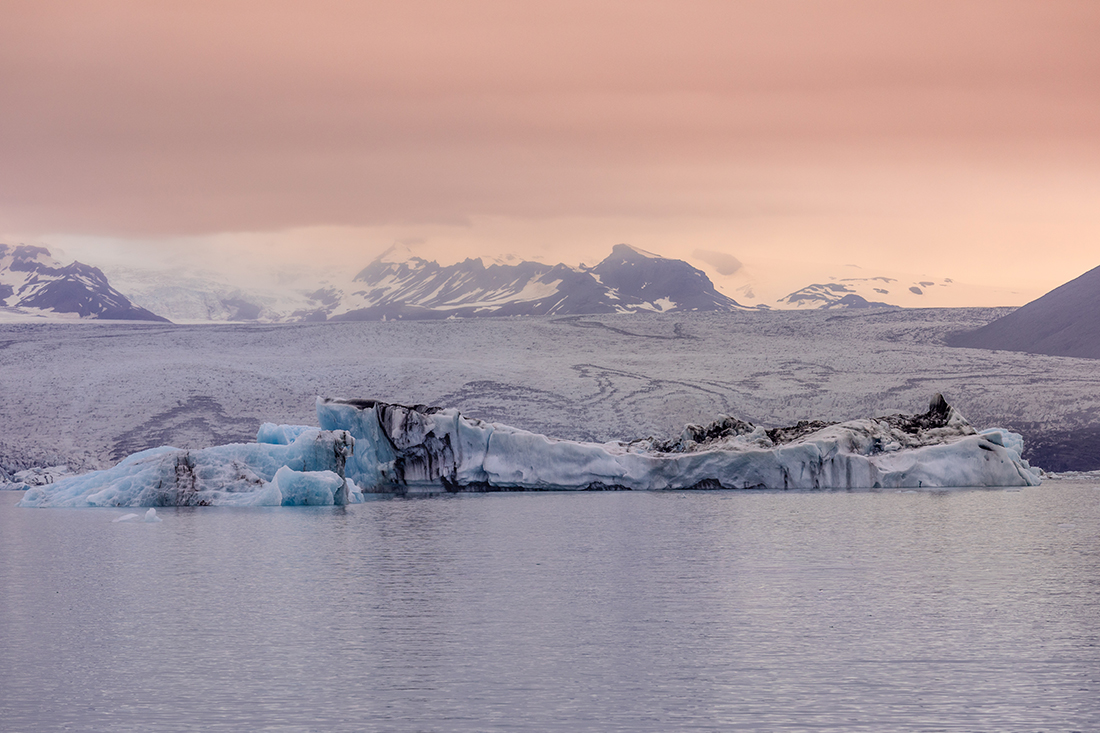
A landscape photograph is not simply a decorative element — it’s a mental space. When a large-format Iceland glacier or a Mediterranean cove occupies an entire wall of your living room, your mind travels there: toward that stillness, that light, that horizon. Environmental psychology research confirms it: images of nature measurably reduce stress, widen spatial perception, and improve mood.
But not all images produce this effect equally. A mass-produced poster and a limited-edition fine art print don’t act the same way on the eye or the mind. Print quality, colour depth, fine detail — these are what make a photograph “hold” in a space, what make you never tire of it. That’s what makes it stay.
Choosing your landscape: Nordic, Mediterranean, or wild?
The first — and most personal — choice is the landscape itself. Each type of landscape creates a different atmosphere in your home:
Nordic landscapes — Iceland, Svalbard, Norwegian fjords — bring dramatic depth, often in tones of blue, grey, and raking light. They integrate perfectly into contemporary, Scandinavian, or minimalist interiors, playing on the contrast between the warmth of wood and the sublime cold of the far North.
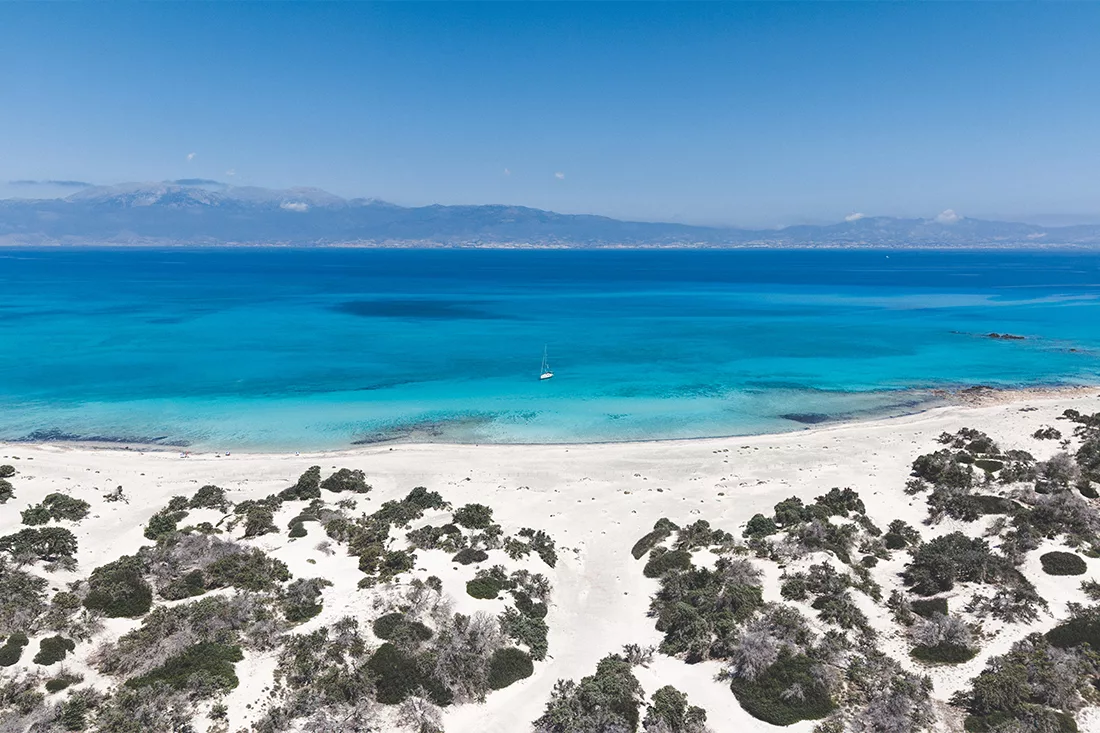
Mediterranean landscapes — Crete, Greece, limestone coastlines and turquoise waters — bring light, warmth, and a solar serenity. A photograph of Chrysí Island or a secret cove in Platanias instantly turns a living room into a place of retreat. These turquoise and sandy tones harmonise beautifully with white interiors, natural materials, and spaces that open to the outside.
Wild and unique landscapes — deserts, volcanoes, boreal forests, battered coastlines — are for those who want strong, identity-defining décor that says something about their relationship with the world. These images spark conversation, draw in guests, and anchor a personal narrative in your living space.
Format and print medium: the keys to a successful display
Once you’ve chosen your landscape, format and print medium are what make or break the decoration. Here are the essential rules:
For a main wall: go large — a minimum of 120×80 cm, ideally 150×100 or 180×120 cm. It’s at this scale that a landscape photograph achieves its full impact and creates a true “horizon effect.” Anything under 90×60 cm on a living room wall risks getting lost.
For the print medium: aluminium Dibond is the benchmark for contemporary interiors — the fineness of metal, the vibrancy of colours, and its durability make it the first choice of galleries and collectors. Fuji Crystal print behind acrylic glass delivers incomparable depth and luminosity — as if the landscape were backlit. Matte canvas, finally, offers a warmer, more painterly finish — perfect for classic or more layered interiors.
Horizontal or vertical? Landscape panoramas work naturally in horizontal format — they accentuate the horizon effect. A vertical format is better suited to a hallway, a niche, or when you want to create a diptych or triptych composition.
How to hang and stage a landscape photograph
Hanging is often overlooked, but it makes all the difference. A few simple rules:
Height: the visual centre of a piece should sit approximately 150 cm from the floor — at eye level when standing. The most common mistake is hanging too high.
Lighting: a directed spotlight or track lighting aimed at the photo changes everything. Raking light enhances textures (especially on canvas) and brings out fine detail. Prints behind acrylic or on Dibond reveal even more with good directional lighting.
Isolation: a large landscape photograph deserves to be alone on its wall — surrounded by empty space. Resist the temptation to crowd it with other frames. The emptiness around it is precisely what gives it air and power.
The furniture below: a sofa, a low console, or a bookcase anchors the photo in the space and creates a harmonious vertical composition. Avoid letting the photograph “float” on a wall with no visual anchor at floor level.
DISCOVER OUR LANDSCAPE PHOTOGRAPHY — LIMITED EDITION
Iceland, Svalbard, Mediterranean — rare landscapes, limited to 30 prints, numbered and signed.
The 5 mistakes to avoid
1. Too small. Under-sizing is the number one mistake. A 40×60 cm print on a living room wall goes unnoticed — or worse, makes the room feel smaller. Below 90×60 cm in a living space, it’s risky.
2. The wrong print medium. A cheap print on standard paper, even from a beautiful image, yellows, warps, and loses colour. A premium medium — Dibond, acrylic, or quality canvas — guarantees your décor holds up over time.
3. A cluttered wall. Adding a large landscape photo to a wall already crowded with frames, mirrors, and shelves cancels its effect. The landscape needs space to breathe.
4. A landscape that doesn’t speak to you. Choosing a generic image because it matches your sofa colour is a common mistake. The most powerful photograph in any interior is always one with a story — a place you’ve visited, dream of visiting, or that says something about who you are.
5. Ignoring the lighting. A landscape photograph in low light loses 80% of its impact. Even a single adjustable spotlight is enough to reveal it fully.
FAQ — Landscape Photography in Home Décor
What size landscape print should I choose for my living room?
For a main living room wall, a 120×80 cm format is the recommended minimum. The 150×100 and 180×120 cm formats create real visual impact and genuinely transform the wall into a horizon. For smaller spaces or secondary walls, 90×60 cm can work.
What is the best print medium for a landscape photograph?
Aluminium Dibond is ideal for modern interiors — durability, vivid colours, elegant finish. Fuji Crystal print behind acrylic glass offers incomparable depth and luminosity, especially for landscapes with water, ice, or sky. Matte canvas suits warmer, more classic interiors.
How do I choose the right landscape for my interior?
The best criterion is emotional: choose a landscape that transports you, calms you, or inspires you. Nordic landscapes (Iceland, Svalbard) pair naturally with Scandinavian and contemporary interiors. Mediterranean landscapes (Greece, Crete) bring light and warmth. Wild and dramatic landscapes suit bold, statement-making interiors.
Should I buy a limited-edition print or a standard poster?
The difference goes well beyond aesthetics. A poster is mass-printed on standard paper. A limited-edition photograph is printed in editions of 10 to 30, numbered, signed, and accompanied by a certificate of authenticity. It’s a work of art, not generic décor — it appreciates in value over time and brings a genuine sense of rarity and uniqueness to your interior.
How do I hang a large print without damaging my walls?
Aluminium Dibond and acrylic prints typically come with a concealed hanging system (Z-bar or French cleat). These systems allow even very large formats to be hung with just two screws. For plasterboard walls, appropriate wall anchors are sufficient. Canvas prints usually come on a stretcher with standard hooks. For large formats, always check you’re drilling into studs or using proper anchors.
Further reading:
→ Landscape photography wall art: nature art print for every space
→ Nordic Landscape Wall Art: Why Iceland Photography Transforms Any Interior
→ How to display large wall art like a pro