

Europe has some of the world’s most captivating subjects for photographers. You can shoot ancient ruins in Rome bathed in golden hour light or capture stunning Nordic glaciers. This guide covers the best photography destinations in Europe, including hidden village spots in the Alps.
It shows you precisely where to position your tripod for gallery-quality shots. Whether you’re into architectural details or vast wilderness landscapes, these tips will help. You also get timing strategies to transform any journey into a portfolio-building tour.
Best cities for photography in Europe
A few capitals consistently rank as essential destinations in Europe for wandering creatives. London, Amsterdam, Warsaw, and Istanbul each deliver a distinct visual identity. They are foundational stops for anyone passionate about city photography.
Iconic urban landmarks worth every shot
The Charles Bridge in Prague becomes a stunning canvas if you arrive before sunrise. Morning mist on the river creates atmospheric conditions that turn stone towers into moody subjects. Climb a nearby viewpoint to see why cities for photography in Europe start here.
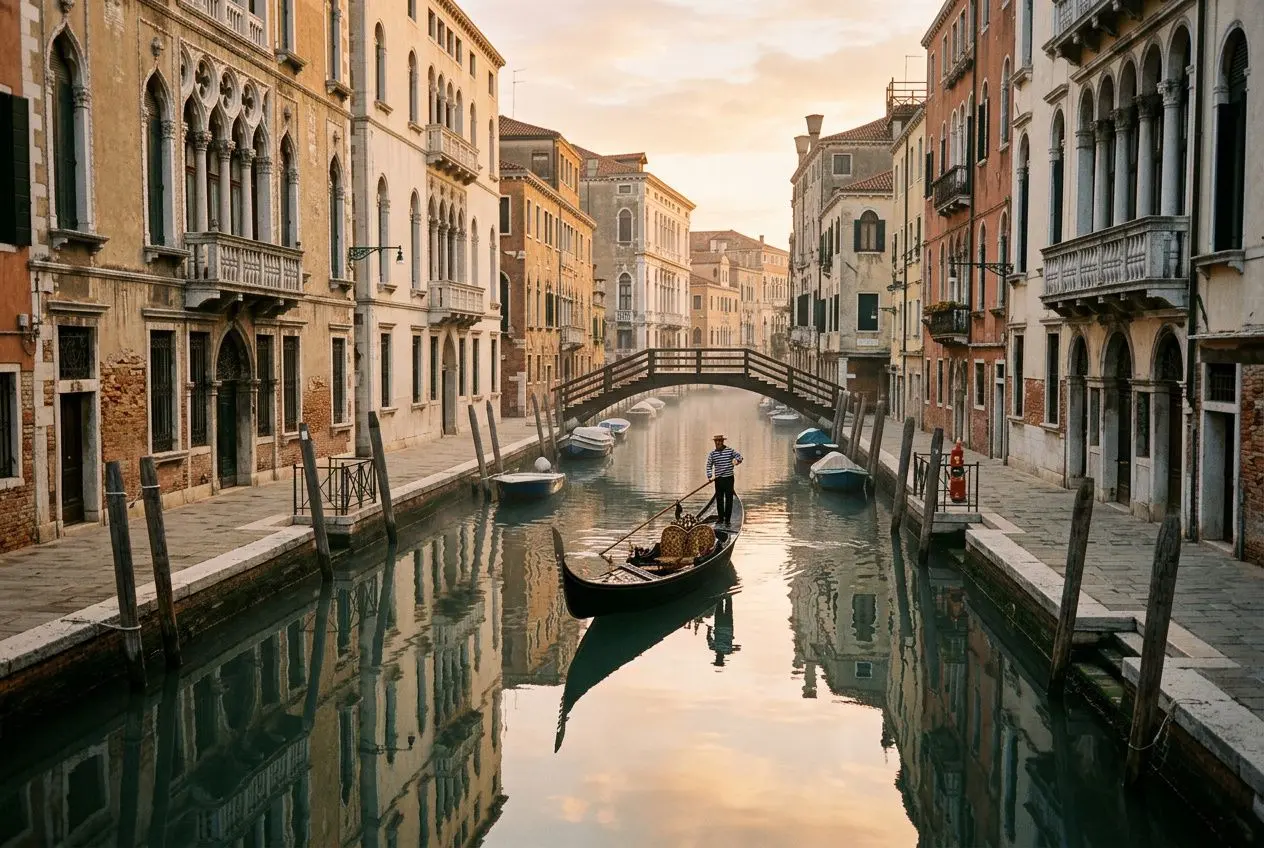
Venice demands early rises to beat the heavy crowds. Sunrises reward you with empty canals and mirror-like reflections that amplify those Gothic and Renaissance façades. The calm water acts like natural glass before gondolas eventually shatter the surface.
Rome is essentially a sprawling open-air museum for any roaming artist. The Colosseum catches warm afternoon light, while Piazza Navona buzzes with life. You can also frame the Spanish Steps nicely from surrounding rooftops.
When to visit for optimal light and fewer crowds
Early mornings are non-negotiable if you want clean shots free of tourists. Budapest offers spectacular panoramas at dawn, casting perfect contrast over Castle Hill. Meanwhile, Lisbon provides quiet evening streets for unobstructed shots of its iconic yellow trams.
Seasonal timing drastically expands your creative options. Winter transforms Neuschwanstein Castle in Bavaria, blanketing its Gothic towers in snow. The lake below creates a mirror for deeply symmetrical, painterly compositions.
Festive holiday markets in Germany provide uniquely warm lighting. Locations in Stuttgart and smaller towns illuminate historic squares beautifully after sunset. That festive glow transforms familiar architecture into entirely new visual stories.
| City | Best timing | Key subjects | Light quality |
| Prague | October–November, dawn | Charles Bridge, towers, Vltava mist | Atmospheric fog, soft contrast |
| Venice | May–June, sunrise | Canals, reflections, façades | Golden, mirror-like water |
| Budapest | September–October, early morning | Castle Hill, Fisherman’s Bastion, Danube | Warm side-light, long shadows |
| Lisbon | June–September, late evening | Line 28 tram, historic neighborhoods, tiles | Golden hour, city lights |
| Rome | April–May, September–October | Colosseum, Piazza Navona, Spanish Steps | Golden afternoon, street life |
Ice caves in Iceland reform every year, so no two visits yield the same images. The surrounding volcanic landscape shifts dramatically with the seasons, providing a constantly evolving subject. Plan your trip around these seasonal windows for truly unique captures.
Street photography hotspots across European capitals
Paris greatly rewards creatives who go beyond standard Eiffel Tower postcards. Exploring narrow alleyways at sunset captures an authentic slice of daily life. The vibrant café scenes along the Seine are also incredibly charming.
Amsterdam’s bicycle lanes are brilliant for casual street photography. Those uniquely quirky houses create layered compositions everywhere you look. Bakery windows offer wonderful indoor alternatives when the weather turns.
- Montmartre alleyways, Paris: Cobblestone streets and vintage lamps create candid street scenes unavailable in tourist-heavy zones.
- Amsterdam’s canal bridges: Shoot from beneath the bridges to capture multiplying reflections and bicycles passing overhead.
- Dubrovnik’s narrow streets: Dubrovnik offers gorgeous Gothic alleyways where warm afternoon light reveals beautiful stone textures.
Istanbul straddles two continents, offering culturally layered frames filled with historic architecture and chaotic bazaar energy. Arrive early at the Basilica Cistern to shoot dramatic pillars without distraction. In the end, every capital rewards photographers who venture well beyond the obvious landmarks.
Hidden Photography Destinations in Europe to Discover
Forget the crowds in cities like Paris. Europe’s lesser-known spots deliver breathtaking and genuinely authentic scenes. These hidden photography destinations Europe offers have fewer people and amazing light. You’ll come home with fresh, unique compositions—not the usual recycled guidebook shots.
Alpine and Coastal Villages Off the Tourist Trail
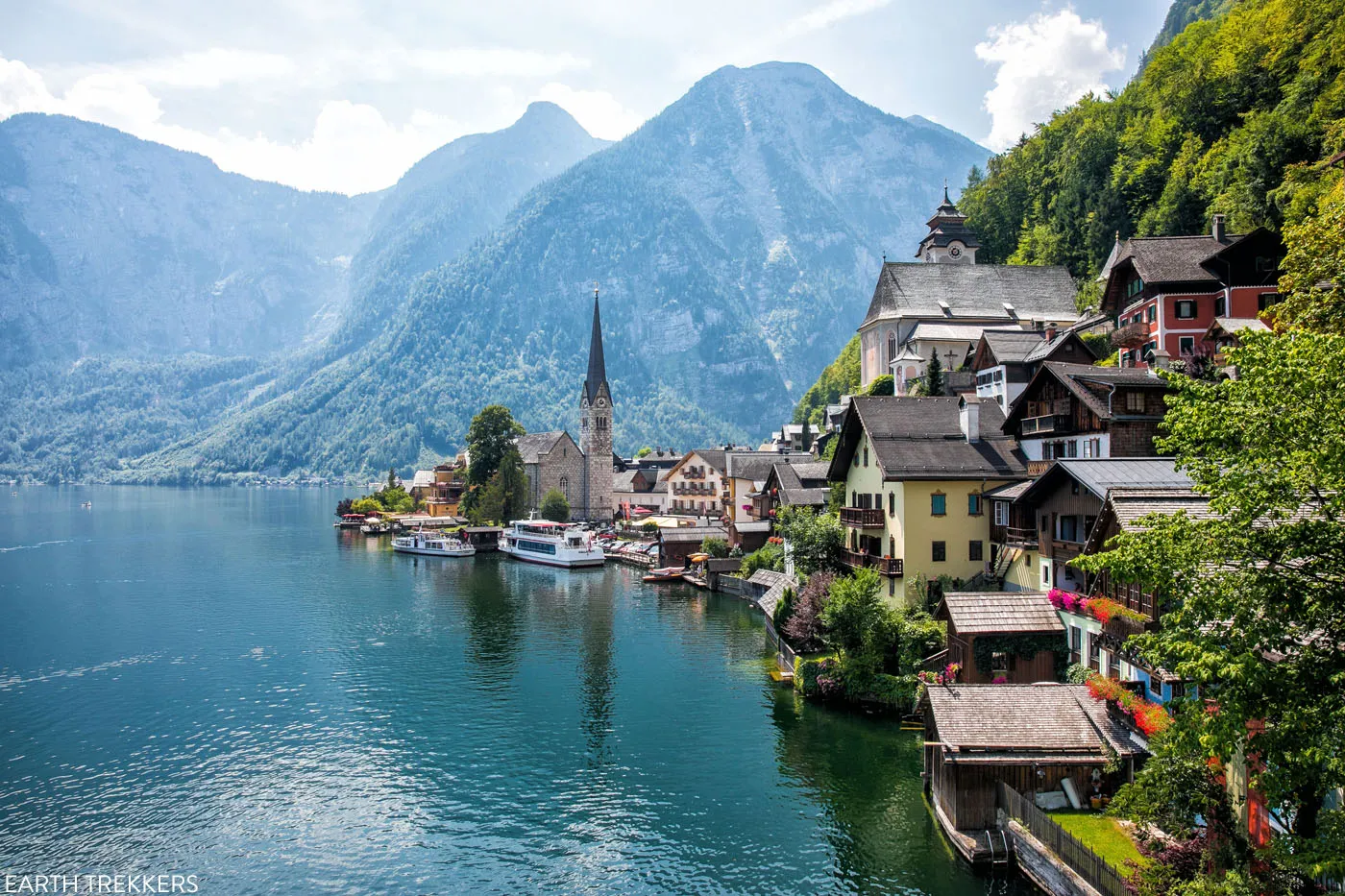
Visit Austria’s Hallstatt in winter, when snowy roofs mirror beautifully on the crystal-clear water. This Alpine village yields fine-art landscapes, especially if you go during the quieter months of December or January. Nearby, Slovenia’s Lake Bled reflects a perfect island church—a magical place few spots can match.
In Croatia, Rovinj Old Town blends historic Croatian and Italian streetscapes. St. Euphemia’s bell tower gives sweeping ocean views, and the narrow alleys cast dramatic late-afternoon shadows. Annecy boasts a turquoise lake and winding paths—enjoy a nostalgic vibe without the massive crowds.
- Velika Planina, Slovenia: Escape the standard photo tour with a hike into these undiscovered mountains. You’ll find vibrant spring flowers and traditional alpine shepherd huts.
- Rovinj, Croatia: Where Gothic and Baroque buildings meet the Adriatic. Shoot at water level during sunset, or climb St. Euphemia for panoramic red-roof views.
- Cinque Terre, Italy: Five colorful cliffside towns offer stunning ocean views and vibrant beach umbrellas. This spot delivers coastal photography that feels both authentic and deeply rewarding.
These towns reward creators who stay longer than an afternoon. Give them a full day to capture shifting light, changing weather, and quiet human moments. Your patience will pay off with incredible, gallery-quality prints.
Nordic Wilderness and Glacial Landscapes
Iceland dominates Nordic photography with its volcanic landscapes, glacial formations, and shifting daylight. The striking twilight reflections at Jökulsárlón Glacier Lagoon easily put it among the 21 places photographers around the world must visit before they die. This northeastern spot remains one of the most compelling destinations in Europe.
Norway’s Lofoten Islands offer snowy coastal cliffs, iconic red cabins, and breathtaking auroras over frozen seas. Venture off the beaten path—try Eliassen Rorbuer or Unstad Beach in winter. You’ll be rewarded with spectacular, unpredictable night-sky shots under the dancing northern lights.
Why These Hidden Gems Produce Gallery-Worthy Images
These locations align naturally with contemporary Nordic design trends. Pastel pinks, deep blues, and soft lighting highlight distinct moss textures and rugged volcanic forms. The Lonely Diner in Iceland’s Möðrudalsleið highlands showcases minimalist architecture set against a vast, dramatic desert.
- Color Harmony: Jökulsárlón’s deep blue icebergs and pink twilight skies create stunning palettes. Modern photographers love these soft hues for fine-art wall decor.
- Textural Depth: Iceland’s black sand and mossy lava fields offer rich tactile surfaces. They reward macro work as much as grand landscape shots.
- Ethereal Light Quality: Arctic winter twilight produces a unique lighting quality—a visual signature you won’t find anywhere else.
- Seasonal Reinvention: Ice caves rebuild yearly, and waterfalls change with melting snow. These shifting natural elements invite repeat visits for fresh imagery.
For those exploring Jökulsárlón photography, the dramatic geology and ethereal light yield museum-quality prints with ease. Similarly, incredible Iceland photography locations show how minimalist structures contrast against wild wilderness. Together, these elements create contemplative fine-art wall pieces.
How to Find Unique Travel Photos Across Europe
To get standout shots, you need more than just the right location. Mastering light, seasons, and composition is crucial. These techniques apply seamlessly to the most photogenic places in Europe.
Timing, Light, and Seasonal Strategies That Work
Timing is fundamental to learning how to find unique travel photos. Early mornings in Prague and Lisbon offer gorgeous light with few people. By dusk, each city transforms into an entirely different place.
- Golden Hour Positioning: Arrive at sunrise for the Colosseum in Rome or the Spanish coast. Warm evening light brings out incredible details in the stone.
- Winter Landscape Drama: Head to Germany in December to shoot its iconic castles. Tower reflections on frozen lakes offer perfect symmetry.
- Seasonal Migration Patterns: Visit Santorini, Greece in spring for breathtaking light. Summer nights also make the Eiffel Tower glow clearly.
Unpredictable weather often leads to genuinely unique discoveries. Spring fog draping rolling hills creates soft, painterly scenes. Revisiting icy caves each year reveals fresh angles and exciting new perspectives.
Composition Tips for Europe’s Most Photogenic Places
The most photogenic places in Europe all respond to basic framing rules. Simple architectural features add depth to shots in any charming village. Keeping your camera at eye level maintains beautifully balanced compositions.
- Leading Lines in Urban Spaces: Canals naturally guide the eye toward stunning architecture. Water reflections anchor the lower half of your frame.
- Layered Depth in Landscapes: Shooting the Matterhorn needs foreground elements—wildflowers or forests. These layers build a compelling landscape shot.
- Contrast Exploitation: Dubrovnik’s white walls pop against stormy skies. Dark clouds add a dramatic tension absent on clear days.
Modern design trends translate well to travel photos. Soft pastels and neutral tones enhance landscapes from Ireland to Denmark. This gentle color harmony also complements grey structures in England.
Turning Travel Shots into Fine-Art Wall Pieces
Creating gallery-quality prints involves careful image choice and color grading. Professional printing transforms standard photos into beautiful wall art. A dawn shoot at the Pont des Arts in Paris benefits from subtle tonal control.
Build a signature style by returning to locations like the snowy Alps in different seasons. A skilled tour guide knows rushing rarely yields gallery-worthy prints. Consider Marbella beach photography for inspiration on how coastal light creates stunning art.
Frequently Asked Questions
Which European countries offer the best landscape photography opportunities?
Iceland leads for its dramatic glaciers, while the Swiss Alps and Norway offer truly stunning mountain scenes. In Germany, you’ll find beautiful landscapes throughout Bavaria. For coastal drama, Ireland delivers with its rugged cliffs, and Spain showcases gorgeous Mediterranean shores. Your best pick really depends on whether your eye is drawn to coastlines, mountain peaks, or a quiet, charming village setting.
What is the ideal duration for a European photography trip?
Planning for at least two weeks gives you enough time to properly explore a few key spots instead of just rushing through them. Staying several days in one location lets you shoot in different light and weather—dawn, sunset, or even an overcast day can transform a scene. Great photography thrives on patience, so invest your time well for the finest results.
Are expensive camera systems necessary for European travel photography?
Not at all—you can capture incredible shots with any modern camera if you master composition and lighting. Today’s mid-range mirrorless cameras or even high-end smartphones produce excellent, gallery-worthy prints. Focus on honing your core skills and creative instincts rather than chasing the priciest gear.