

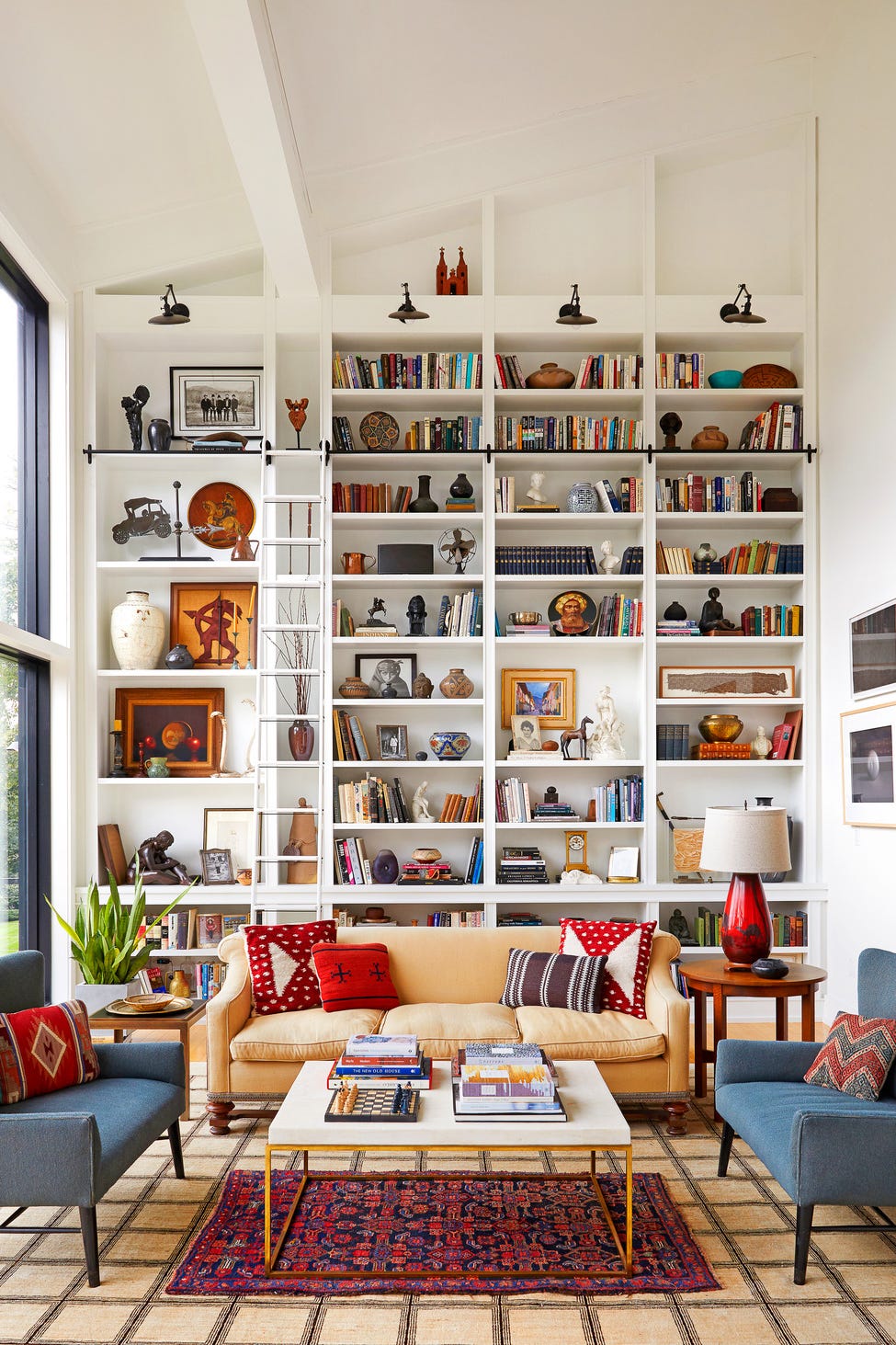
What is the trend for wall décor in modern living rooms
Current wall décor living room choices lean toward restraint. Clean lines, strong focal points, and precise material selection now shape the living room wall more convincingly than decorative excess, with artwork chosen for scale, finish, and subject rather than for simple coverage of empty walls.
Materials and finishes shaping modern living room wall décor
That preference for restraint begins with surface quality. The materials defining today’s living room wall range from gallery-wrapped canvas in minimalist interiors to premium options such as brushed aluminium printed with Fuji Crystal and 2mm acrylic glass mounted on aluminum Dibond.
- Gallery-wrapped canvas: stretched over wooden bars for a frameless presentation, with a textured matte surface that softens reflections and suits refined wall art in bright interiors.
- Brushed aluminium: produced through Fuji Crystal photo printing, offering a crisp, reflective finish that strengthens color depth and complements contemporary wall design.
- Acrylic glass with Dibond backing: built with a 2mm glossy face that heightens luminosity, especially effective for abstract wall art and other vivid artwork in well-lit rooms.
The right finish depends on the light. Matte canvas controls glare on a sunlit living room wall, while glossy acrylic performs best under balanced conditions, where saturation and clarity can fully register; Cars and Roses recommends assessing both natural and artificial light before selecting a surface.
Art décor styles leading contemporary wall design
Once materials are set, style determines how the wall décor living room will read. Among the strongest modern living room wall ideas, abstract wall art and Japandi compositions, along with geometric wall décor, remain especially relevant because they bring order, contrast, and visual calm to a room that values negative space.
By contrast, fine art landscape photography adds depth. Seascapes, arctic light studies, and canyon formations printed on premium surfaces can function as art décor with collector value, and limited edition prints with authentication extend that role beyond ordinary living room wall décor; the difference lies in permanence as much as appearance.
Sizing and placement rules for living room wall art
From there, proportion becomes decisive. A reliable guide for wall art above seating is the two-thirds rule: artwork should span roughly 60 to 75% of the sofa width beneath it, with common formats ranging from 30×40 inches to 40×60 inches and a hanging height of 57 to 60 inches from the floor.
View distance matters just as much. Rooms seen from 2 to 3 meters often suit a single large piece, while open spaces viewed from 3 to 4 meters tend to support panoramic formats or multi-panel arrangements; a 20×60-inch panorama works particularly well above a sectional, and vertical pieces from 24×36 to 30×45 inches can make low ceilings feel taller.
Beyond size alone, placement should maintain visual calm around the work. A photograph earns its place when the finish suits the light and the format suits the viewing distance, conditions that together give the living room wall a measured, modern identity.
Statement wall art pieces and the latest wall décor trends
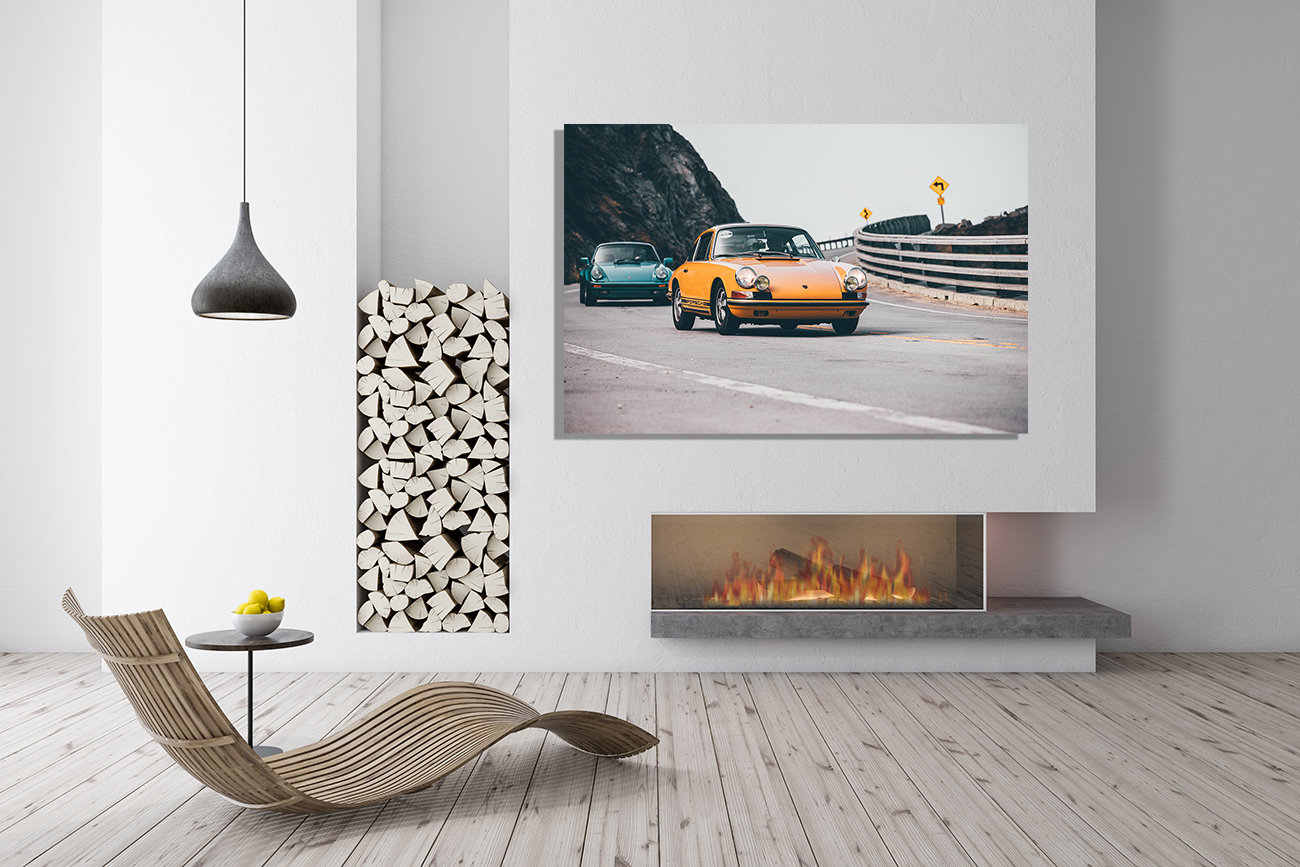
The latest trend in wall décor gives a single artwork a central role. Instead of scattering attention across smaller objects, contemporary interiors often rely on one dominant piece to define the room’s mood, scale, and direction. From there, choices in wall décor, furniture, and lighting follow with more clarity.
Why oversized wall art anchors a modern living room wall
That shift begins with scale. On a living room wall, one large-format work can establish order more effectively than several decorative accents competing for attention. A 40×60 inch print is often enough to anchor an accent wall without additional layering.
The difference lies in the surface: acrylic glass heightens saturation, while brushed aluminium introduces subtle reflection and movement. In modern wall art, especially automotive photography, those material choices shape how the image holds the light across the day. Cars and Roses applies this logic to hanging wall art designed to remain precise and visually stable in changing conditions.
Collector photography brings another dimension. Limited editions from Iceland, Svalbard, or the Grand Canyon offer provenance and scarcity that generic wall art cannot match. A photograph earns its place when it functions both as artwork and as a lasting interior focal point.
Wall mirror, wall hanging, and wallpaper as statement décor
Once a room is anchored by a clear focal point, the same logic applies to other forms of wall décor. A wall mirror with an oversized geometric frame, especially in a metallic finish, can act as both functional object and visual counterweight. It reflects natural light and extends perceived depth without diluting the composition.
By contrast, a wall hanging introduces texture rather than reflection. Large woven textiles, macramé, or fabric-based compositions soften interiors dominated by concrete, glass, or metal, making them especially effective in minimalist spaces. Hanging art in fiber adds tactile warmth that hard-surface prints cannot provide.
Beyond the frame, wallpaper has become a credible statement element in its own right. Removable peel-and-stick options make an accent wall easier to test, particularly in rental settings or interiors that need flexibility. Graphic patterns, botanical motifs, and large-scale abstract art can reshape a room without permanent alteration.
Premium finishes that elevate statement wall décor impact
The right finish depends on the room’s dominant tones, the available light, and the role the piece is meant to play within the wider wall décor. Finish and placement are inseparable decisions: a brushed aluminium panel suited to a directional spotlight performs poorly under diffuse ambient light.
- Matte canvas: reduces glare in bright rooms while preserving photographic clarity. Its gallery-wrapped edge suits minimalist interiors and refined modern wall décor.
- Brushed aluminium: adds a reflective, contemporary surface that responds well to directional light. It is particularly effective for modern wall art with strong tonal contrast, including automotive subjects.
- Acrylic glass with Dibond backing: delivers the deepest colour saturation. It suits vivid landscape artwork and abstract art where luminosity is essential to the image.
Once installed, lighting completes the result: adjustable LED spotlights set at roughly 30 degrees reveal each finish differently. Warm temperatures enrich earth tones, while cooler white bulbs sharpen black-and-white prints and high-contrast automotive subjects. This balance of temperature and angle matters most where mirror, wallpaper, and hanging wall art share a single accent wall.
What kind of wall art is trending for gallery walls and panels
Current wall art trends move in two clear directions: the curated gallery wall and the architectural surface. One builds a narrative through grouped photographs and framed art. The other turns the wall itself into the statement: wall paneling or surface treatment used across an accent wall.
A display succeeds when each element supports the whole rather than competing for it.
Gallery wall layouts for every living room wall size
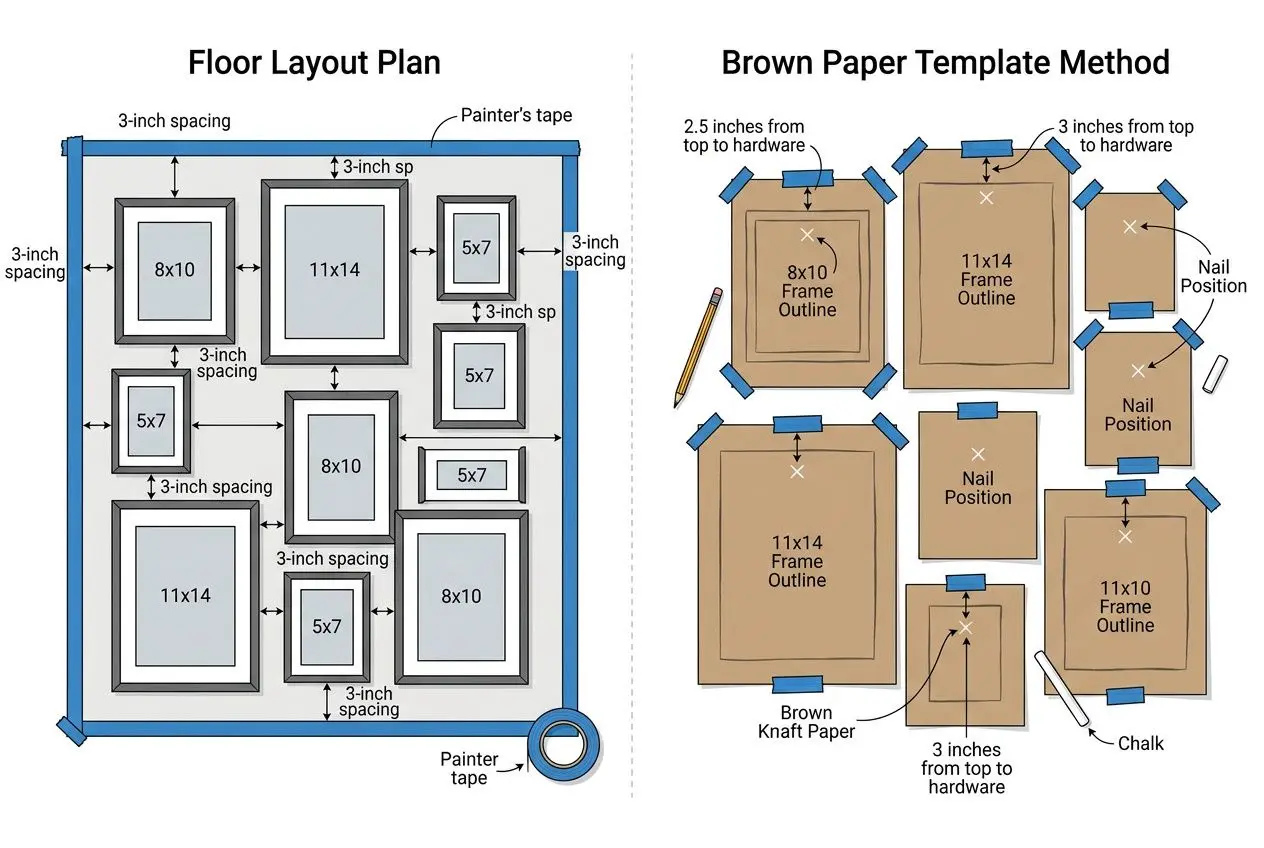
Once the direction is clear, layout becomes the next decision. What defines multi-piece displays now is not visual clutter, but hierarchy: one dominant piece, supported by medium works and smaller accents. This approach gives a gallery wall depth and rhythm, whether the selection includes abstract wall art, personal photographs, or a mix of artwork and wall sculpture.
The difference lies in proportion, not quantity. On a living room wall, that hierarchy reads as more composed than a grouping of equal-size frames.
- Grid layout Uses uniform frame sizes in straight rows; delivers a formal, minimalist appearance ideal for living rooms with clean architectural lines and neutral palettes.
- Salon style Combines varied frames, blending photographs, artwork, and personal mementos within a loose rectangular or oval boundary; suits eclectic and layered modern wall décor.
- Triptych arrangement Divides a single image across three panels; especially effective with wide landscape photography, creating a focal point above a sofa or bed.
- Asymmetrical design Places a large anchor piece slightly off-center with freely arranged smaller pieces; produces visual movement suited to contemporary wall décor ideas.
Scale should relate directly to the furniture below. A gallery wall generally measures about two-thirds of the width of the sofa, console, or bed beneath it: roughly 5 to 6 feet for an 8-foot sofa. The lower edge should sit 6 to 8 inches above the furniture so the wall décor feels connected rather than floating.
| Wall Width | Gallery Category | Recommended Pieces | Suggested Layout |
| 6–8 ft | Compact | 3 pieces | Triangular cluster |
| 8–12 ft | Standard | 4–5 pieces | Grid or asymmetrical |
| 12–16 ft | Extended | 6–8 pieces | Multi-row grid |
| 16+ ft | Feature | 8–12 pieces | Mixed salon style |
Modern wall décor panels adding texture and dimension
From there, the focus shifts from image to surface. Modern wall decor panels are now central to many wall decoration ideas because they introduce depth before any art is hung. On an accent wall, wall paneling in slatted wood, fluted profiles, cork, grasscloth, or limewash creates a finished backdrop with architectural weight.
That makes panels especially relevant in minimalist interiors. A single wall panel can carry enough presence to reduce the need for excess decoration, while still supporting hanging art or framed art above it. The right finish depends on light, scale, and the material palette already present in the room.
- Acoustic slat walls Combine wood wall décor warmth with sound-absorbing function; particularly relevant for open-plan spaces where both aesthetics and acoustics require management.
- 3D wall panels Deliver sculptural relief patterns that shift with changing light; suitable as bedroom wall décor or a living room wall feature where dimension matters.
- Natural material panels Cork, grasscloth, and limewash treatments add tactile texture, pairing well with abstract wall art and nature-led design ideas.
By contrast, combining panels with prints produces a more layered result. A matte print set against fluted timber, or 3D wall art placed on a quieter textured ground, gains visual definition through contrast. The relationship between finish and depth often matters more than the subject of the piece alone.
Beyond the frame, shelving and ledges expand the composition. They allow wall sculpture, ceramics, books, and artwork to sit at different depths, which strengthens modern wall décor without overfilling the surface. Cars and Roses notes this approach when arranging living rooms that should feel collected rather than fixed.
Lighting and spacing tips for polished wall décor displays
Once materials and layout are in place, spacing determines whether the result feels resolved. Consistent gaps of about 2 inches between frames usually create the cleanest gallery wall, even when sizes vary. The center of the arrangement should sit at 57 to 60 inches above the floor: a dependable museum standard for balanced viewing.
Before drilling, test the full composition with painter’s tape or paper templates: Cars and Roses endorses this method for hanging art, geometric wall décor, or mixed displays, as it allows proportion to be judged in real scale with little risk.
Lighting completes the installation. Adjustable LED spotlights aimed at roughly 30 degrees give focused illumination with minimal reflection, while 2700–3000K light flatters wood wall décor, earth tones, and landscape imagery. Cooler 4000K light suits black-and-white work, geometric wall décor, and certain forms of abstract wall art.
Dimmable systems remain among the most effective wall décor ideas: a single installation shifts between dramatic evening presentation and quieter daytime clarity without any change to the artwork itself.
Frequently asked questions
What are the most popular modern wall décor ideas right now?
Current wall décor ideas lean toward clean formats with a precise finish: frameless gallery-wrapped canvas, brushed aluminium prints, and acrylic glass panels remain the leading choices. Subject matter follows the same restraint. Abstract and geometric compositions, fine art landscape photography, and nature-led imagery continue to define modern wall art.
From there, style direction becomes clearer. Japandi minimalism, shaped by Japanese and Scandinavian influences, still guides much of today’s modern wall décor, while authenticated limited editions add a collector dimension to living room wall décor and other interior choices.
What is the best wall décor for a modern living room?
The best living room wall décor begins with scale. A single large artwork, sized around 40×60 inches and placed at eye level above a sofa, creates a focused composition on the living room wall.
Once that proportion is established, placement follows a reliable rule: the piece should span roughly 60–75% of the sofa width beneath it. The difference lies in the finish. Brushed aluminium or acrylic glass strengthens the presence of modern wall art, while matte canvas suits brighter rooms where glare control matters.
Beyond the frame, lighting completes the result: adjustable LED spotlights aimed at a 30-degree angle bring clarity and depth to modern wall décor, a detail that changes everything.
How do you build a gallery wall that looks intentional and polished?
An intentional gallery wall starts with structure. A strong anchor piece, consistent 2-inch spacing between frames, and a center line set 57–60 inches above the floor establish order immediately.
From there, hierarchy matters. The three-tier method, anchored by one large piece, stepped down through medium and small formats, gives the arrangement rhythm and prevents it from reading as scattered wall décor. Test the layout with painter’s tape or paper cutouts before drilling.
Once installed, cohesion comes from restraint. Shared color undertones or a consistent subject help different pieces sit together naturally, regardless of the wall’s scale or the room’s function. For layout guidance across different wall sizes, Cars and Roses recommends its gallery wall guide.
Read also: How to choose the right size — Car Bedroom Decor — Shop fine art prints