

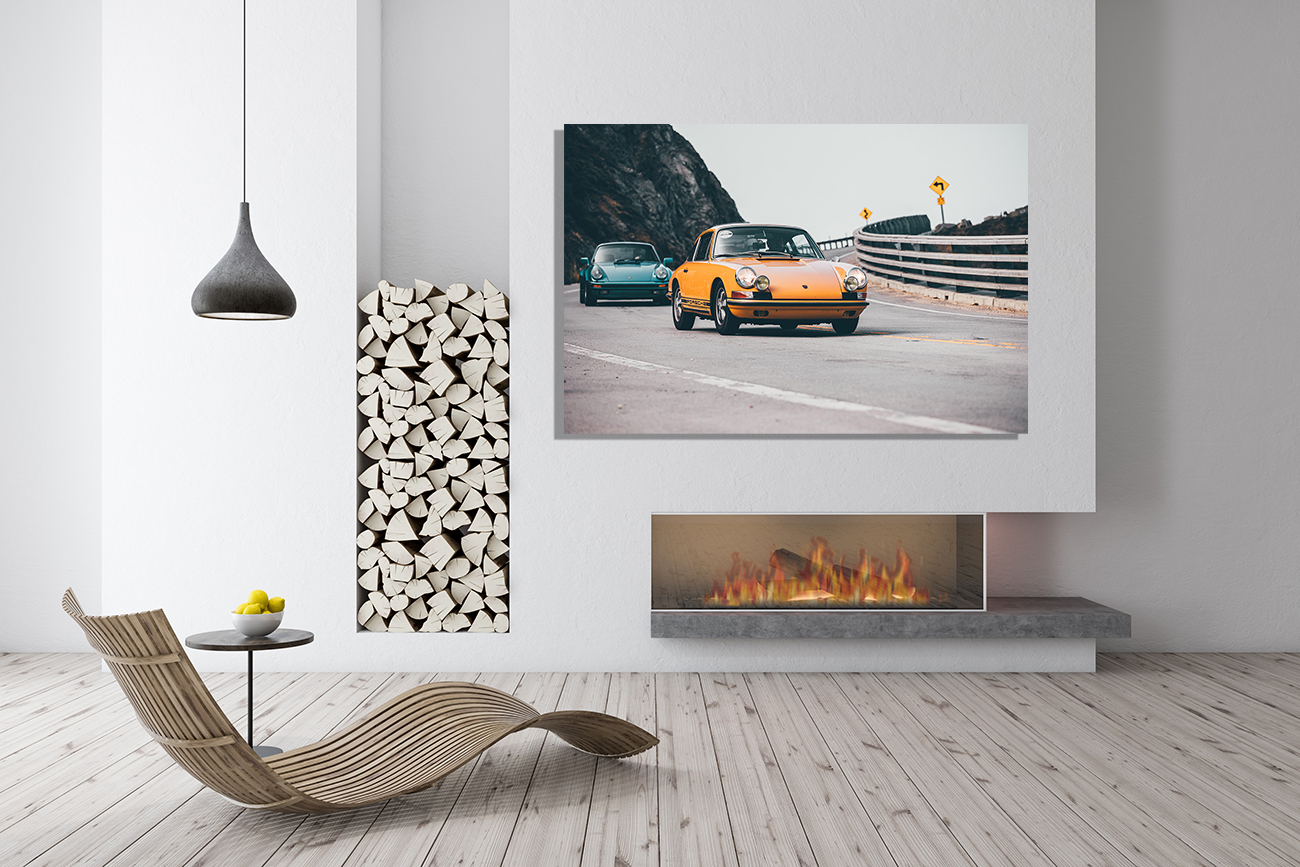
Choosing the perfect material for your photography prints significantly influences not only their visual appeal but also their long-term preservation. We explore the unique qualities of photo paper, canvas, aluminum, metal, and acrylic to help you make an informed decision. This guide is designed to help you select the ideal material for photography prints that fits both your budget and your intended display environment.
Paper and canvas prints: which material suits your photos?
Traditional photo paper remains the most cost-effective printing option, prized for its fine detail and exceptional color reproduction. Standard paper prints, though, can be vulnerable to fading or warping within a few years if they are not protected by framing.
Photo paper finishes and what they mean for print quality
The finish you choose dramatically affects how light interacts with your photograph, shaping its final look. Understanding these options is crucial to choose paper that complements your room’s specific lighting. The surface texture ultimately plays a vital role in the overall visual experience.
- Lustre finish: This semi-matte option offers lifelike colors, a slight texture for depth, and excellent resistance to fingerprints, making it a durable choice for portraits.
- Glossy paper: With its highly reflective surface, this glossy paper delivers bold contrast and vibrant intensity, though it can suffer from glare under bright lights.
- Pearl finish: Renowned for its metallic or pearlescent sheen, this premium pearl finish adds a rich, dimensional quality to images, preferred for fine art.
- Matte finish: Completely non-reflective, this matte surface eliminates glare entirely and is typically the most affordable option for general use.
Premium fine art paper is often made from 100% cotton, giving it a distinctive silky feel and superior archival properties. Professional fine art printing utilizes pigment-based inkjet inks on these cotton substrates to achieve outstanding color stability and resistance to fading.
Canvas as a material for photography prints
Canvas prints provide an affordable way to achieve a classic, museum-style aesthetic. While exploring different photo print materials, note that canvas typically yields softer, more muted tones compared to the vibrant crispness of acrylic or standard photo paper for inkjet printers.
Standard canvas prints or canvas prints can be susceptible to damage from humidity or may sag over time. However, their cost-effectiveness makes this material a highly attractive choice for well-maintained, dry interior spaces.
Archival paper and giclée: the fine art printing standard
Giclée is the premier method for fine art prints, utilizing high-end pigment inkjet technology on premium materials. The use of 100% cotton archival paper is essential, guaranteeing exceptional color accuracy and an extensive lifespan. These papers are available with a variety of surfaces, from a subtle lustre and pearlescent shimmer to a completely neutral matte tone.
Baryta-coated papers are a standout choice, merging the durability of modern inkjet printing with the timeless elegance of traditional fine art paper and a beautiful, slightly textured feel. This archival baryta makeup ensures your photographs stay vibrant and unfaded for many decades, making it the preferred material for serious collectors and institutions.
Metal and acrylic: the most durable printing material options
For exceptional visual impact and long-lasting quality, metal and acrylic prints significantly outperform traditional canvas and paper prints. Both materials are highly resistant to humidity, UV rays, and temperature fluctuations. This museum-grade durability ensures your images remain vibrant for decades, making them ideal for valuable fine art and high-traffic areas.
Aluminum Dibond: structure, durability and finish choices
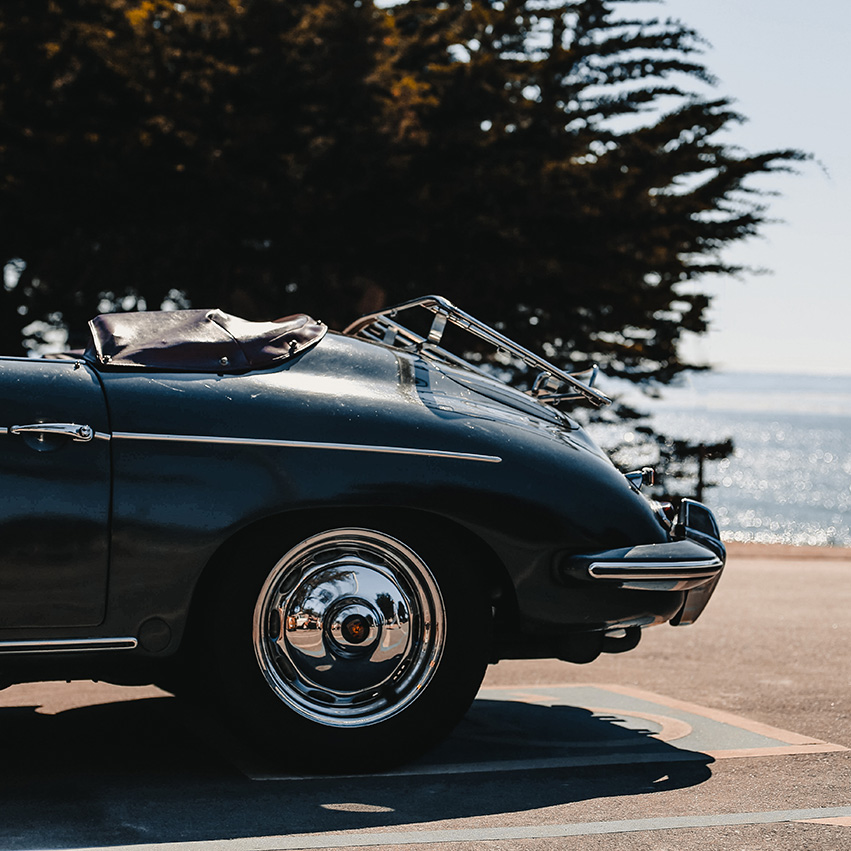
Aluminum Dibond is celebrated as one of the most durable printing materials for fine art. Its robust structure consists of two outer aluminum sheets bonded to a lightweight polyethylene core. A brilliant white undercoat is applied to enhance brightness and contrast, preserving the vibrancy of your images for years to come. Explore our aluminum photo prints to witness this remarkable durability firsthand.
You can choose from various finish options: a glossy coating for intense, rich colors; a satin finish for a smooth, matte appearance; or a metallic brushed texture for a unique, iridescent effect. A protective laminate also safeguards the print from dust and UV damage, making this material an excellent choice for both indoor environments and covered outdoor spaces exposed to varying humidity.
Acrylic plexiglass prints: vivid depth and premium clarity
Acrylic prints deliver stunning visual depth by mounting high-quality paper directly onto a clear plexiglass sheet. The specialized truelife acrylic used is remarkably scratch-resistant and significantly reduces glare. This thick, shatter-resistant construction is incredibly safe for busy areas, offering clear advantages over standard canvas prints and other canvas prints.
Light filters through the acrylic material, giving colors a brilliant, radiant quality with an almost three-dimensional glow. This built-in depth is absolutely perfect for portraits and dramatic landscapes. Although the initial cost is slightly higher, you save on framing while enjoying a true museum-quality piece built to last.
How to Choose the Best Material for Your Photo Prints
Finding the perfect print material means carefully balancing your image’s content, where you plan to display it, your budget, and the visual impact you want to create. This guide will help you easily pick the ideal option for your specific needs.
Paper, Canvas, Aluminum and Acrylic Compared at a Glance
Understanding the key differences between these materials helps you make an informed and confident decision. While a typical Shutterfly metal prints review might focus on budget-friendly mass-market options, our gallery specializes in true fine art pieces using museum-grade archival inks and limited editions.
- Lifespan and durability: Standard photo paper lasts about 5 years, while canvas can endure for 5 to 10 years. Metal prints on aluminum and acrylic prints, however, can last more than 40 years with proper UV protection.
- Visual vibrancy and depth: Both paper and canvas offer decent color reproduction. Metal delivers high saturation, and acrylic creates a stunning, three-dimensional depth.
- Environmental resistance: Paper and canvas are sensitive to humidity and temperature changes. In contrast, aluminum and acrylic are fully waterproof, making them an excellent choice for areas like bathrooms.
| Material | Lifespan | Color Vibrancy | Water Resistant | Price Range | Framing Needed |
| Paper | ~5 years | Excellent | No | Very affordable | Yes, required |
| Canvas | 5-10 years | Moderate | No | Affordable | Optional |
| Aluminum | 40+ years | High | Yes | Mid-range | No |
| Acrylic | 40+ years | Very high | Yes | Premium | No |
At Cars and Roses, our limited-edition aluminum and acrylic pieces are crafted using premium UltraChrome pigment inks. These brilliant, archival inks guarantee 75 years of lightfastness. We also offer canvas as an unlimited, more affordable option for fine art printing without collectible restrictions.
Matching Print Material to Your Image and Interior Style
Figuring out the best material to print photos on depends greatly on the unique character of your image. For example, vibrant automotive photography looks incredible on aluminum Dibond or glossy plexiglass, as these material options boost contrast and enhance metallic finishes.
For more subdued landscapes and classic black-and-white shots, canvas offers a lovely matte, textile-like feel. They also work beautifully on metal with a satin anti-glare coating. Acrylic is perfect for highly saturated scenes, while traditional paper is ideal for everyday prints kept in protected spaces.
Budget, Size and Environment: Practical Decision Criteria
Your choice of material is usually guided by four key practical factors: your budget, the size of the print, the room’s environmental conditions, and your long-term display goals. Keeping these in mind ensures your fine art print is a satisfying, lasting investment.
- Budget optimization: Paper is the most affordable choice, while canvas offers excellent value for larger wall art. Metal prints provide great durability at a mid-range price, and acrylic delivers a premium, high-end result.
- Size considerations: We offer standard sizes from 60×40 cm up to 180×120 cm. For maximum sharpness in any format, we strongly recommend a resolution of 300 dpi.
- Moisture exposure: For rooms like kitchens and bathrooms, you’ll need a waterproof material such as aluminum or acrylic. Living rooms, however, are perfectly suited for canvas or framed paper.
- Display longevity goals: If you’re creating a temporary display, budget-friendly paper or canvas is a great choice. For a permanent gallery wall, the 40+ year lifespan of aluminum or acrylic prints makes them a worthwhile investment.
We also offer customization with options like wooden framing and brushed metal finishes to match your style. Multi-panel installations work well across all our premium materials, giving you the flexibility to create a unique focal point in any room.
Our professional fine art printing process at Cars and Roses focuses on strict edition control and archival quality—something mass-market services can’t match. This museum-quality approach ensures your photographs stay vibrant and beautiful for decades.
Explore our aluminum photo print gallery featuring stunning Icelandic landscapes. Seeing these gorgeous automotive scenes up close will help you understand the material differences before you make a purchase.
Frequently Asked Questions
What is the difference between archival and standard photo paper?
Archival paper is crafted from 100% cotton fiber and uses pigment inks, providing exceptional resistance to light for over 75 years. Standard photo paper, on the other hand, typically uses dye-based inks that can start to fade within a decade. Because it’s free from yellowing agents, this archival material is the premium choice for fine art and long-lasting displays.
Which material works best in humid environments like bathrooms and kitchens?
Aluminum and acrylic are excellent for humid areas since they are completely waterproof. Alternative options like canvas and standard paper prints are porous and tend to absorb moisture, which can lead to yellowing or warping. Even framed paper can deteriorate under these conditions, whereas aluminum ensures your images stay vibrant and protected for good.
Is acrylic worth the premium price compared to canvas or paper?
Yes, acrylic is definitely worth the investment because it delivers stunning visual quality and an impressive lifespan of up to 40 years. It also eliminates the need—and cost—of traditional framing while offering museum-grade preservation for your images. While canvas and paper prints are better suited for shorter-term use, acrylic gives you a durable, gallery-worthy finish that stands the test of time.