

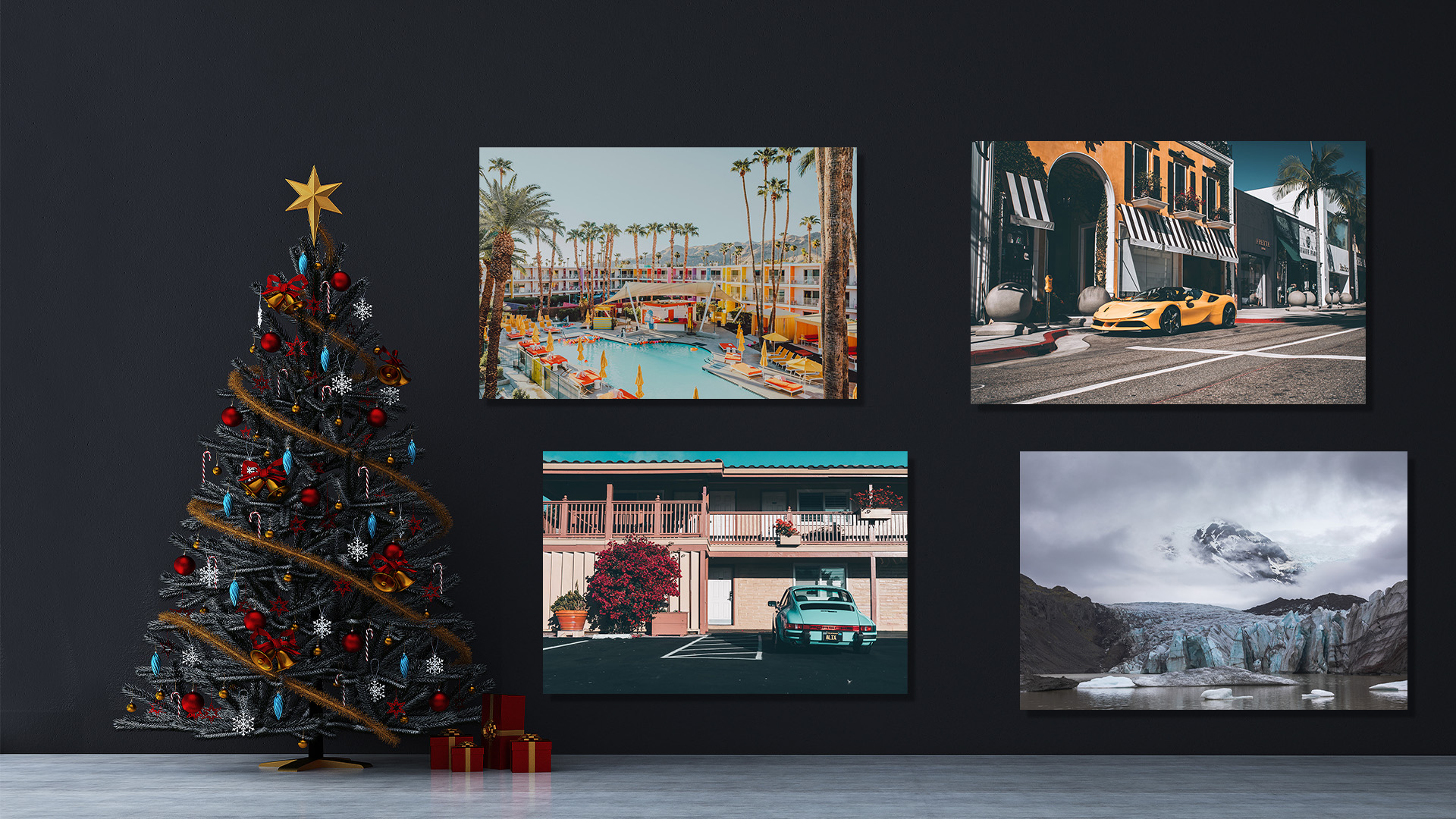
On my camera, one photo carries a caption as simple as it gets: “The beginning.” A black DS, parked in an aircraft hangar between two single-engine planes — my very first scouting trip for Cars and Roses. Since then I’ve shot on Icelandic ridgelines in the rain, at rallies, and delivered prints that now hang in villas and showrooms. People often ask how a car spotted by chance turns into a framed piece on a wall. Here, for the first time, is the real answer — from scouting to the final aluminium.

Scouting: Finding the Right Car, in the Right Place
A Cars and Roses photograph never starts in front of a screen — it starts with a car that first has to be found, and then an owner who has to be convinced to lend me an hour or two. Car meets, marque clubs, restoration workshops, word of mouth between collectors: scouting looks a lot more like detective work than booking an appointment. And sometimes the setting matters as much as the car itself — that black DS parked in an aircraft hangar, next to two single-engine planes, remains my first scouting find for this project. The location wasn’t planned; it simply presented itself, and I knew instantly that the contrast — 1960s French bodywork against aluminium fuselages — would make the image.
The rest of scouting comes down to weather and light: golden hour early in the morning or late afternoon, a clear sky or, depending on the car, something overcast and dramatic, and a setting that doesn’t pull attention away from the bodywork. For landscapes it’s even more extreme — days of travel for a few hours of usable light, as on my trip through the Icelandic highlands.
The Shoot: One Camera, a Tripod, and a Lot of Patience
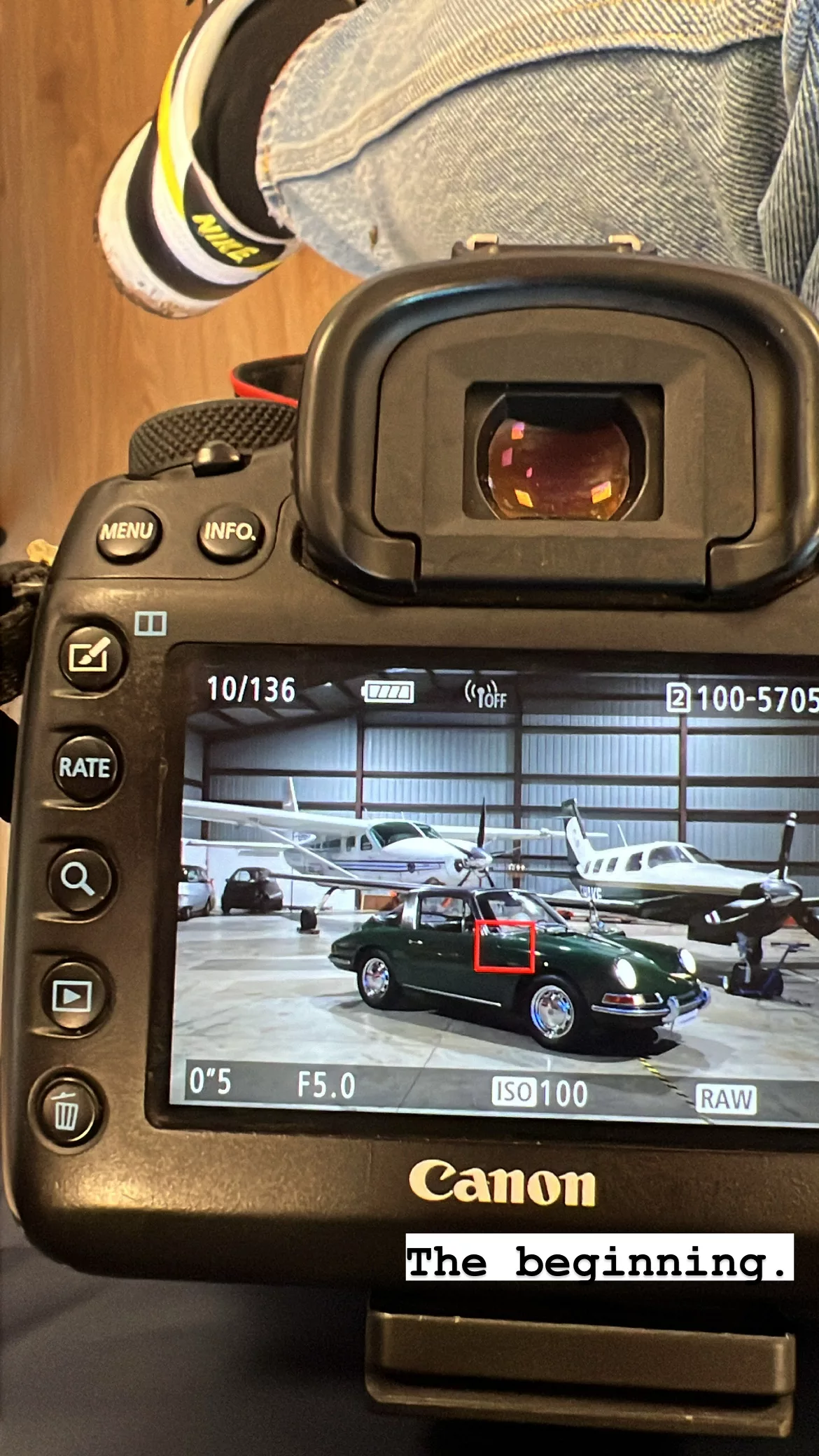
On location, the kit stays deliberately simple: a Canon body, always shooting RAW to keep maximum latitude for editing later, and a tripod whenever the light drops or the framing has to stay perfectly identical between two shots. On a car, I usually work at a mid aperture — around f/5 — to keep the whole bodywork sharp without losing separation from the background. On a landscape, the constraint changes completely: on top of an Icelandic hill, in the rain, with wind shaking the tripod, the real difficulty isn’t technical — it’s physical.
An automotive shoot rarely feels like a posed session. You adjust for the sun’s position, wait for a cloud to pass, run the same car through six or seven different angles just to be sure you’ve got THE right framing — the one that will hold up on a ten-foot wall without ever looking flat.
The Sort and the Edit: Choosing THE File Out of Hundreds
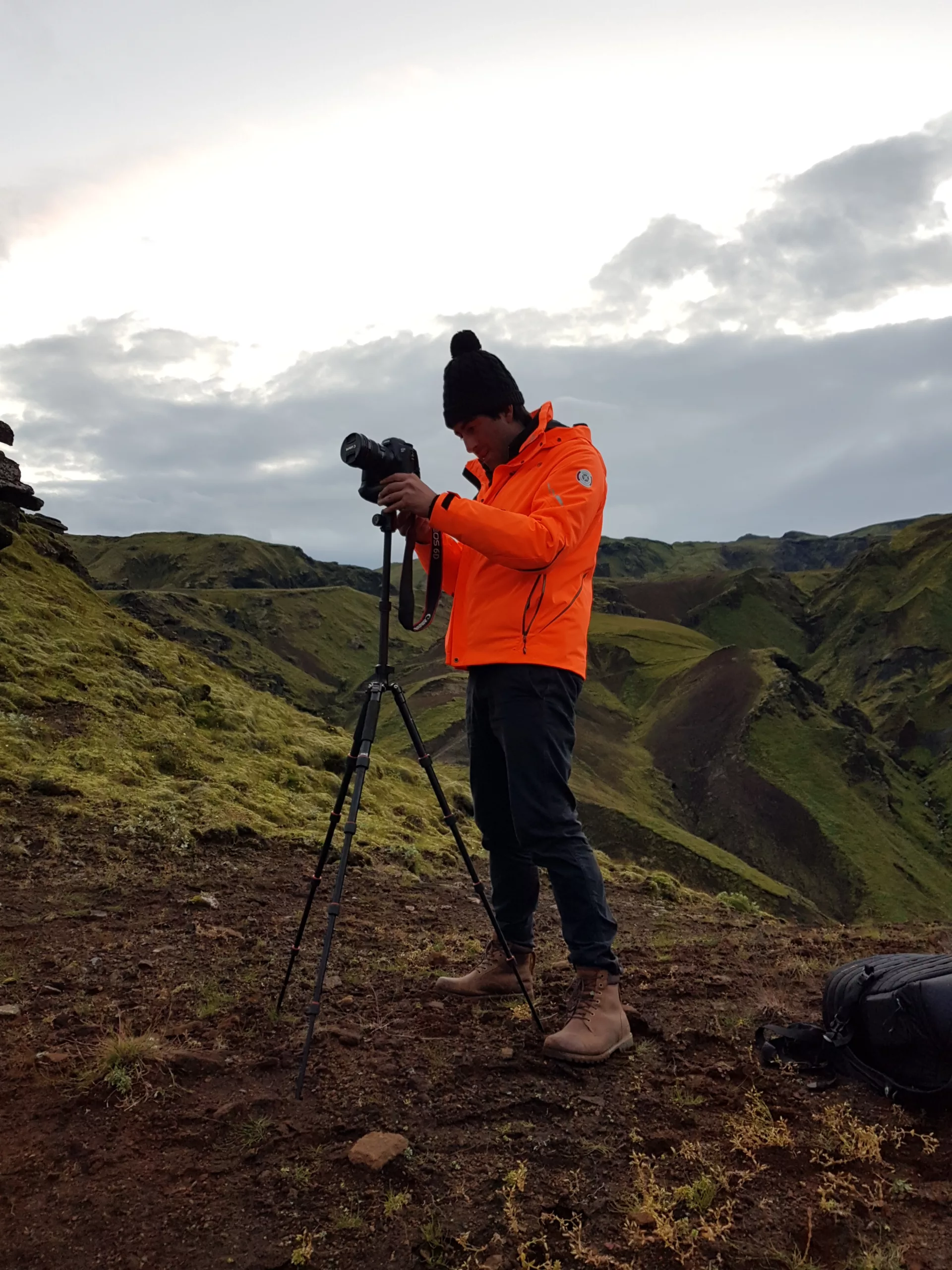
A single shoot produces anywhere between a hundred and close to two hundred RAW files. Sorting is the first cut, and the most ruthless one: soft focus, stray reflections, a door left open at the wrong moment, a background detail that pulls the eye. Rarely more than a handful survive that first pass to go any further.
On what’s left, editing aims for restraint rather than effect: adjusting exposure and contrast, recovering the bodywork’s true color under sometimes deceptive light, cleaning up a background that adds nothing. The goal is never to transform the photo, but to give back what even a good sensor never quite captures the way the eye saw it in the moment.
From File to Aluminium: the Work of WhiteWall
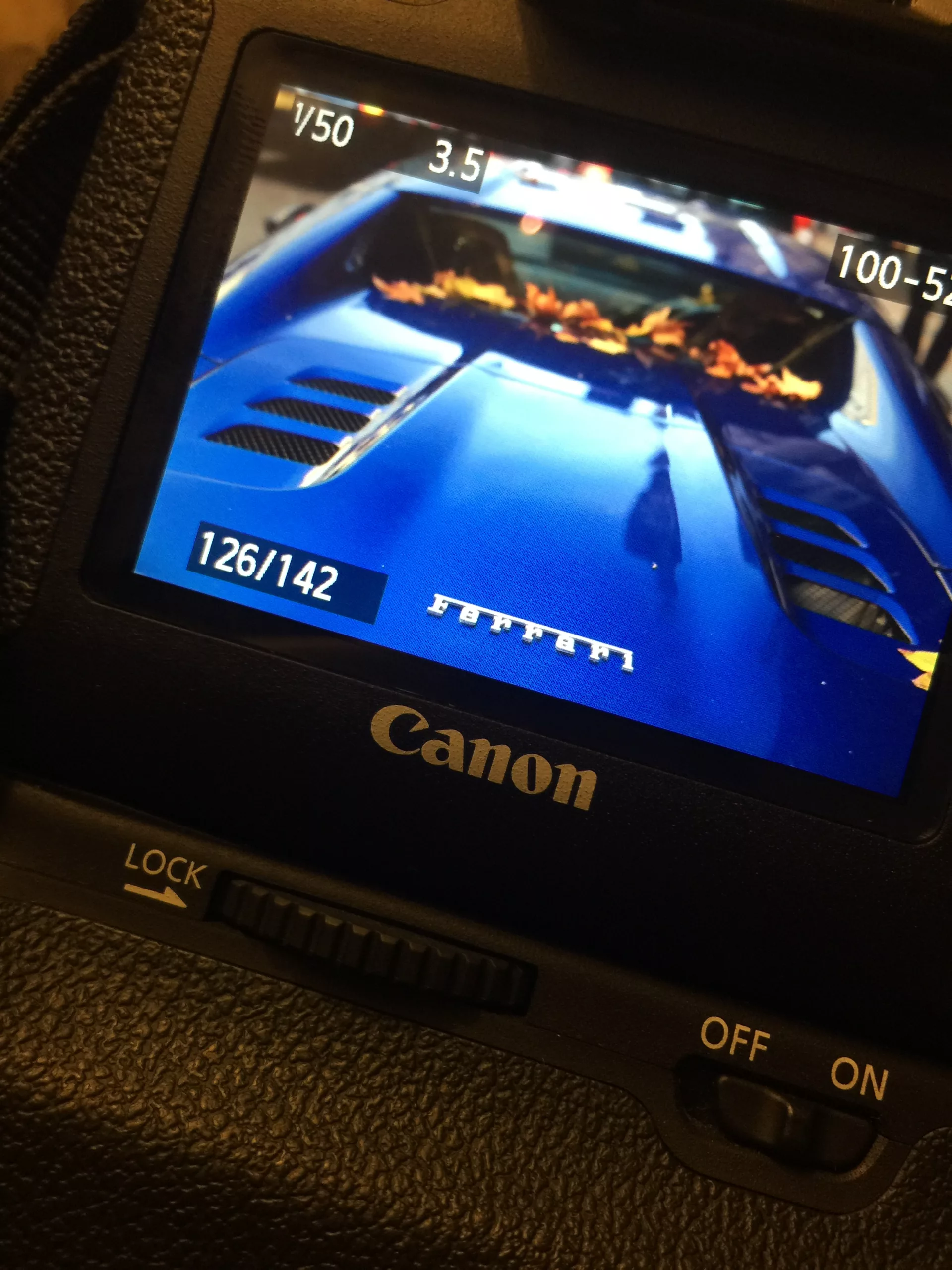
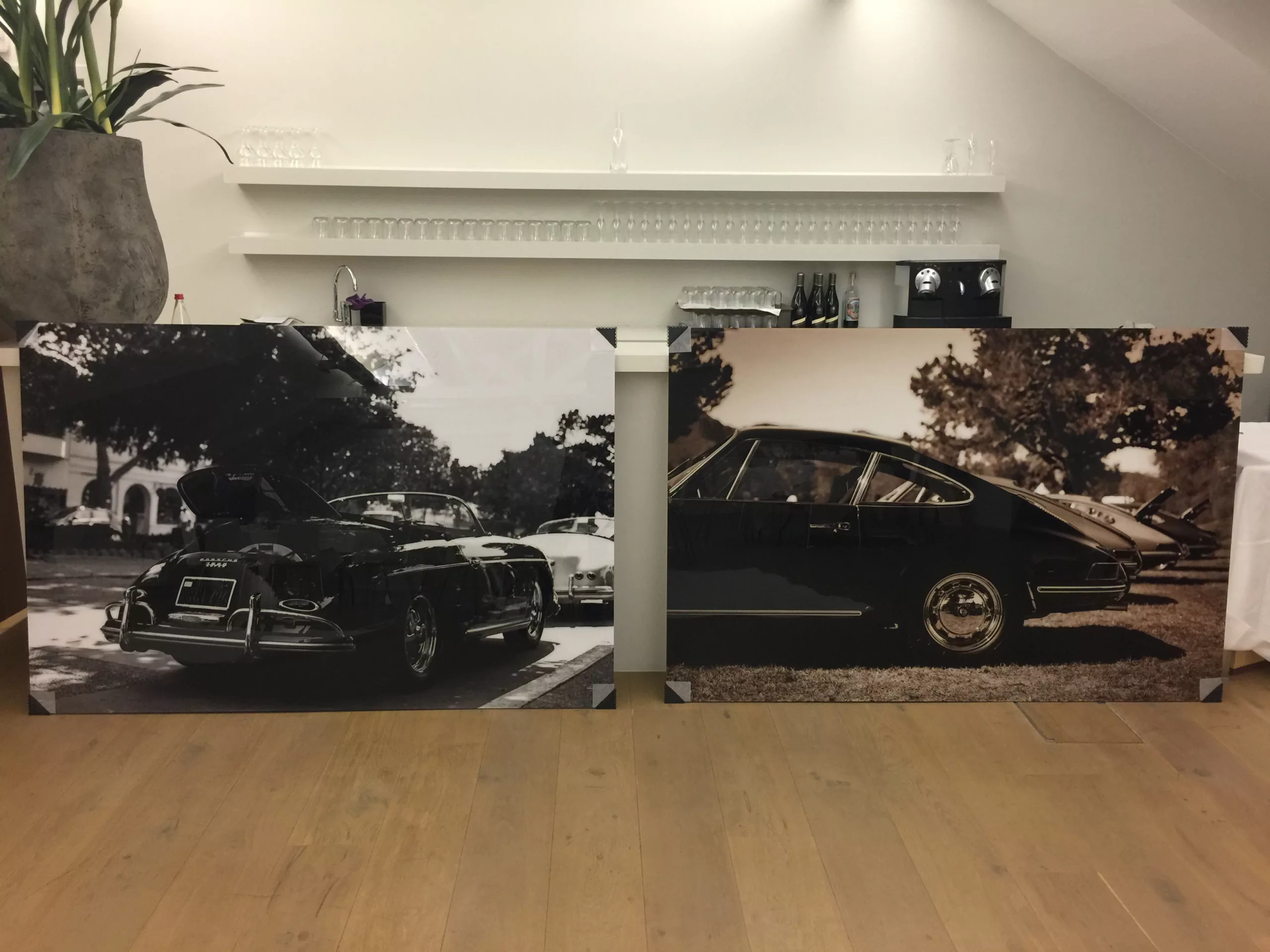
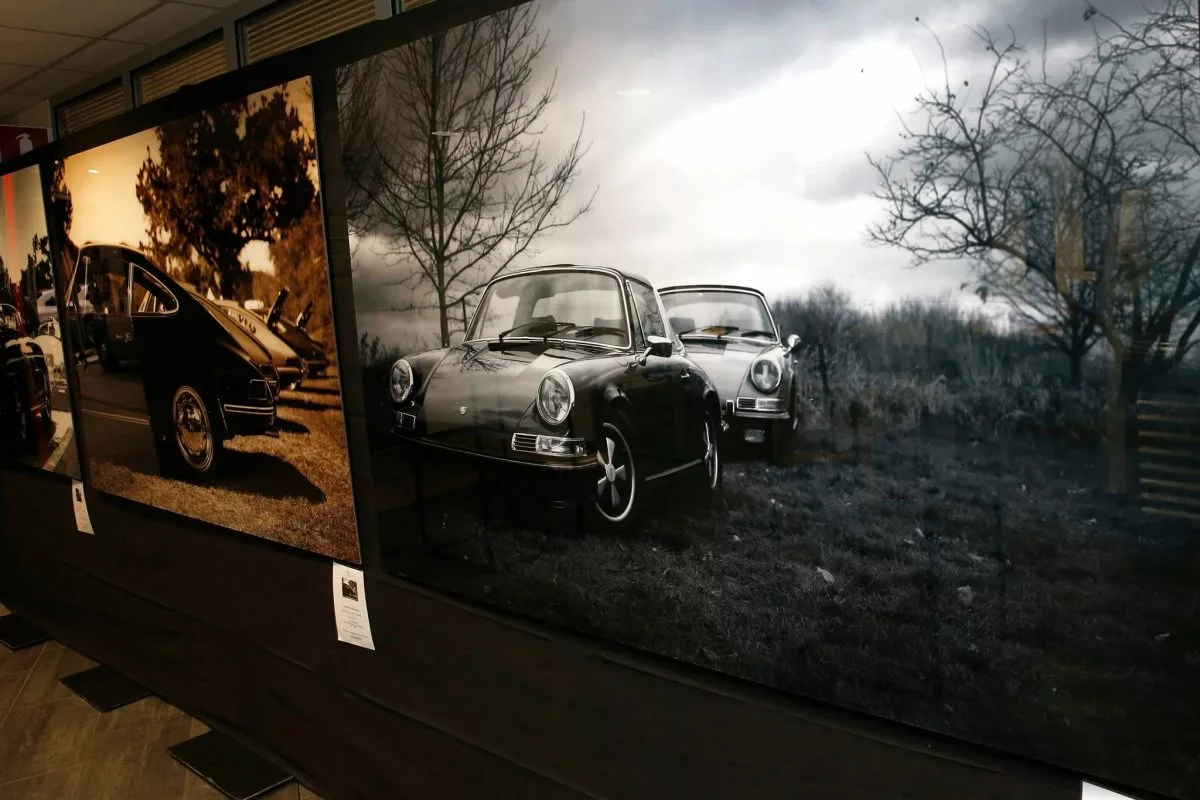
Once the final file is approved, my work stops and a lab’s begins. At Cars and Roses, we’ve chosen to trust every print to WhiteWall, an ISO 12647-certified lab, multiple-time TIPA World Award winner — rather than printing them ourselves. The file goes through rigorous color calibration, then the chosen material: Dibond aluminium for a matte, crisp finish, plexiglas for depth and an almost three-dimensional effect, or canvas for a warmer texture — we cover these options in detail in our materials guide.
Every print is then numbered and comes with a certificate of authenticity — that’s what separates a limited-edition print from a mass-produced poster. Seeing a piece hung for the first time, whether in an exhibition, someone’s home or a car showroom, is still my favorite moment of the whole process: the one where a car spotted by chance, on some scouting day, becomes an object someone keeps in their home.
Frequently Asked Questions About Making a Cars and Roses Print
That’s me, Maxime, founder of Cars and Roses — I shoot every image in the catalog myself, from scouting the car to selecting the final file.
No — we trust the printing to WhiteWall, an ISO 12647-certified lab and multiple-time TIPA World Award winner, to guarantee consistent quality and durability on every print.
A shoot generally produces between a hundred and close to two hundred RAW files. After sorting, often only a handful are worth editing, and just one becomes a print for sale.
Every print is numbered and comes with a certificate of authenticity issued by WhiteWall, which sets it apart from an ordinary poster printed with no limit on the run.