

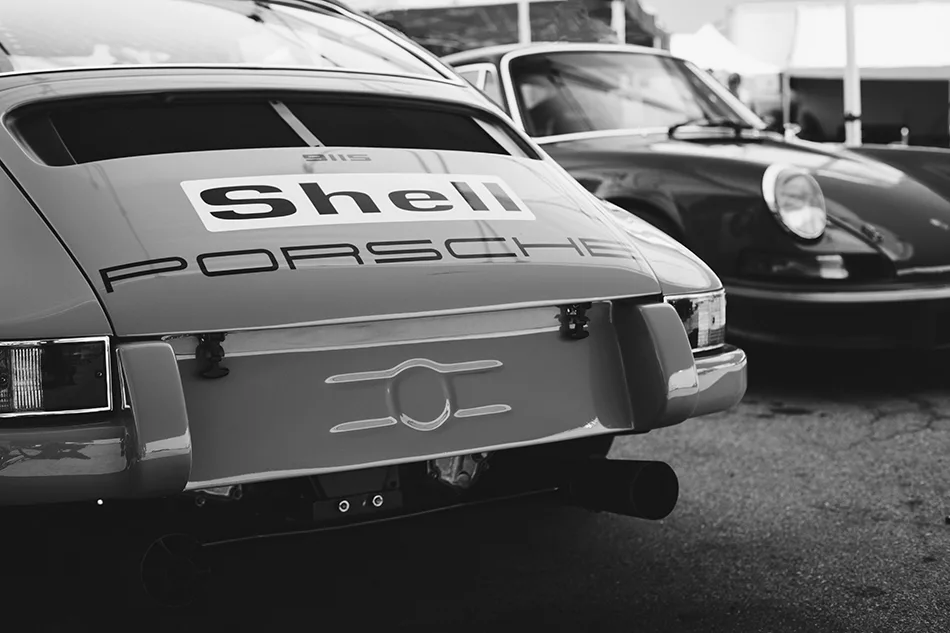
“Goddess” to some, a rolling UFO to others: in 1955, the Citroën DS shattered everything the automotive world thought it knew about itself. Hydropneumatic suspension, a futuristic silhouette by Flaminio Bertoni, a place in history — the DS isn’t just a French car, it’s a work of industrial art. Discover why it remains an essential reference for fine art automotive photography lovers.
A Revolution Unveiled at the 1955 Paris Motor Show
On October 6, 1955, the Citroën DS caused an unprecedented aesthetic and technical shock: 12,000 orders were placed on the very first day of the Paris Motor Show. Designed by Italian sculptor and designer Flaminio Bertoni, its aerodynamic silhouette — plunging hood, tapered rear, near-total absence of visible pillars — broke radically from everything the automotive industry was producing at the time.
The name “DS” is pronounced in French as “Déesse,” meaning Goddess — a barely veiled homage to a car that seemed to have arrived from another era entirely, decades ahead of its time.
The Engineering Genius Behind the Goddess
Beyond its design, the DS broke radical new ground mechanically. Its hydropneumatic suspension, a world first, allowed the car to raise and lower itself, offering a ride comfort never achieved before — to the point of being able to drive with a missing wheel. Power steering, power brakes, a semi-automatic gearbox: the DS carried a technological lead that competitors would only truly catch up to years later.
This ingenuity, hidden beneath a sculptural body, makes the DS a fascinating photographic subject: every technical detail tells a story of rare industrial audacity.
The DS in the Pages of History
On August 22, 1962, a Citroën DS driven by General de Gaulle’s chauffeur survived an assassination attempt at Petit-Clamart thanks to its hydropneumatic suspension, which allowed the car to keep driving despite two tires shot out. This episode passed into legend and cemented the DS’s cult status in French collective memory.
An official state car, a film icon, a symbol of France’s modernization during the postwar boom years — the DS carries a rare historical and cultural weight for an automobile.
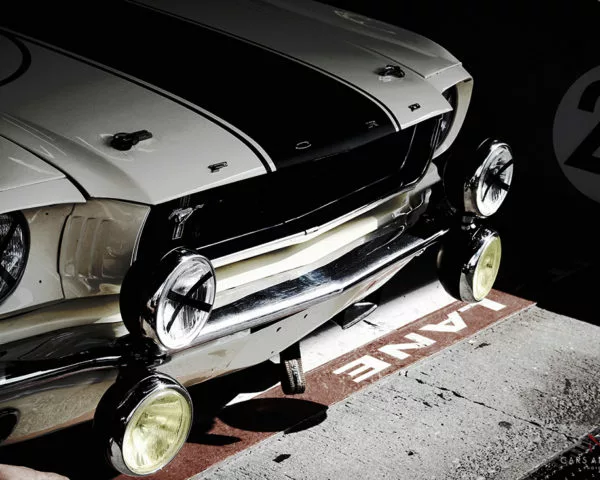
Photographing a DS: Lines and Light
The DS lends itself beautifully to a side-on frame that highlights its fluid, continuous line, from the plunging hood to the tapered rear — an almost aquatic silhouette, rare among 1950s-60s automobiles. A 3/4 front angle showcases its distinctive round headlights and chrome grille.
The soft, diffuse light of an overcast afternoon suits its often light color palette (pearl grey, ivory, cream) particularly well, revealing the subtleties of its curves without crushing the contrast — a rendering that, in fine art canvas print, captures the full softness of its design.
The DS as Fine Art in Your Interior
A large-format photograph of a Citroën DS brings a discreet, timeless elegance to a living room, office, or design-focused space. Its often neutral tones blend naturally into a restrained decor palette, whether Scandinavian, minimalist, or classic French.
On gallery canvas, the image gains softness and historical depth; on aluminum Dibond, the curves of the bodywork take on an almost sculptural relief, a direct echo of Flaminio Bertoni’s work.
Frequently Asked Questions
Why is the Citroën DS considered revolutionary?
It combined a futuristic design by Flaminio Bertoni with major technical innovations (hydropneumatic suspension, power steering, power brakes) totally unheard of in 1955.
What does “DS” mean?
Pronounced the French way, “DS” sounds like “Déesse” — a nod to the car’s almost divine design for its time.
What historical event made the DS famous?
The 1962 Petit-Clamart assassination attempt against General de Gaulle, where the DS kept driving despite two tires being shot out, thanks to its hydropneumatic suspension.
What material works best for a Citroën DS print?
Gallery canvas highlights the softness and timelessness of the design; aluminum Dibond gives a more contemporary relief to the bodywork’s curves.
What sizes are available?
Our prints range from 12×8 in to a large 79×52 in format, fitting anything from a desk to an entire living room wall.