

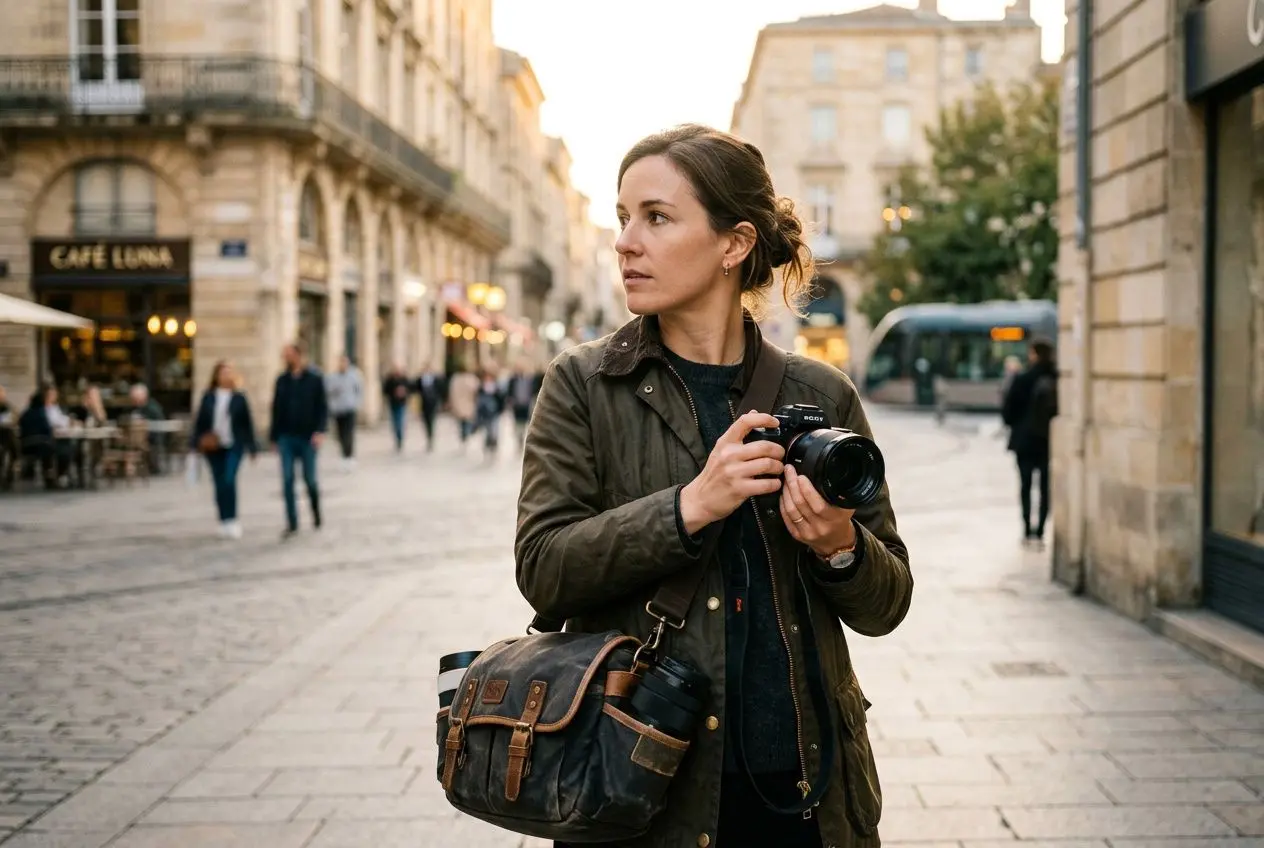
Photography career paths are broader than most beginners expect. More than 31 specializations sit within the field, and each one calls for its own market awareness, visual language, and way of working.
Photography career paths, photographer job roles, and salary
That breadth appears clearly across today’s photography industry. A portrait photographer often works with controlled light and direct client interaction, while a wildlife photographer depends on patience, fieldcraft, and remote access. The same logic applies to specialist sectors: a commercial photographer follows brand briefs, a wedding photographer handles one-time events under pressure, and an event photographer moves quickly through corporate or live environments.
What types of photographer jobs exist in the industry
- Commercial and editorial work: commercial photography centres on advertising campaigns, product launches, and branded assets, often in collaboration with art directors and marketing teams.
- Event and wedding coverage: a wedding photographer works without retakes on a fixed schedule; an event photographer navigates access restrictions, shifting crowds, and unpredictable light across conferences and live performances.
- Specialized scientific and industrial niches: a scientific photographer, a practitioner in medical photography, or an industrial photographer documents processes, specimens, and technical environments where precision takes priority.
- Landscape, aerial, and architectural work: a landscape photographer, an aerial photographer, and an architectural photographer each rely on different equipment choices, permissions, and post-production discipline.
Beyond those roles, a photojournalist works around deadlines, irregular hours, and occasional physical risk. A sports photographer builds a career on anticipation and fast shutter control. A stock photographer, by contrast, builds licensing income over time, and that model is worth considering when long-term flexibility matters.
From there, automotive niches follow their own commercial logic. The question do car photographers make good money depends on client level, reputation, and specialization depth: premium brand assignments can sit near the top of the market. Cars and Roses recommends studying each niche before choosing a firm direction.
How much money can a photographer realistically earn
Income varies sharply. A typical photographer salary depends on experience, niche, geography, and whether the professional is employed, freelance, or running a photography business.
That variation becomes clearer at the top end. The world’s greatest photographers rarely depend on session fees alone. The difference lies in diversified revenue: licensing, editorial contracts, workshops, print sales, and gallery representation.
Photographers typically start around £17,000 per year in the United Kingdom and may progress toward £45,000 with established experience. The job outlook across many specialties remains stable, with roughly 60% of practitioners working self-employed and therefore setting their own ceiling through positioning, repeat clients, and business discipline.
| Experience level | Hourly rate | Per-image rate |
| Hobbyist | Under $100 total | Free – $100 |
| Amateur | $25 – $75 | — |
| Student | $50 – $100 | $25 – $100 |
| Semi-professional | $50 – $150 | $50 – $125 |
| Professional | $75 – $250 | $75 – $250 |
| Top professional | $200 – $500+ | $250 – $1,500+ |
Travel photography jobs and the best country to start
Travel photography jobs demand a different rhythm. They combine location research, cultural observation, and reliable execution in changing conditions. Assignments may come through editorial outlets, travel brands, or agencies: a well-constructed travel photography guide shows how timing travel around Iceland’s midnight sun, aurora seasons, or wildflower blooms can produce stronger results.
Once on location, lighting and composition become non-negotiable. The detail that changes everything is often timing during golden or blue hour, when atmosphere and structure align. For those considering the best country for photography career development, Iceland and Norway favour landscape-led practice, while parts of Southeast Asia offer rich documentary possibilities. The United States and the United Kingdom remain strong options for editorial and studio-facing markets.
Key skill sets and education needed to launch your career
Those market differences do not change the foundation. A durable skill set starts with exposure control, file handling, editing fluency, and consistent visual judgement. Aperture, shutter speed, ISO, and Adobe Creative Cloud remain core across nearly every job in the field, whether the aim is freelance assignments or a long-term role inside a larger production structure.
Education can take several forms. A photography degree, an apprenticeship, assistant experience, or direct client-based practice can all form a credible path into paid professional photography. Beyond credentials, the standard of the photography portfolio is where clients, editors, and employers assess technical expertise, discipline, and creativity.
Beyond formal training, steady study remains essential. Resources such as rule of thirds car photography and car photography tips from Cars and Roses show how compositional control translates into stronger commercial and editorial results. A photograph earns its place when intent, craft, and consistency meet.
Frequently asked questions
Is photography a good career option in today’s market?
Photography remains a credible career path across several sectors, including commercial photography, editorial assignments, scientific imaging, and fine art. Around 60% of photographers are self-employed, and outcomes shift considerably depending on how seriously the business side is handled alongside the creative work.
That structure shapes outcomes. Specialism and client relationships compound over time in ways that raw skill alone cannot replicate.
Do photographers make good money?
Income in professional photography varies widely. Entry-level earnings may begin around £17,000 per year, while established commercial rates can exceed £400 per hour for certain kinds of commissioned work.
By contrast, a photographer working with premium automotive or fashion clients may increase revenue through licensing, print sales, and teaching, not only through shoot fees.
What qualifications does a photographer need to start working professionally?
No legal qualification is required to work as a photographer or to start a photography business. Common entry routes include a photography degree, an apprenticeship of roughly 18 months, college study, or a support job assisting an established professional.
Once that foundation is in place, the decisive asset is a refined photography portfolio. It should show command of lighting and composition, editing judgement, and visual storytelling: a photograph earns its place when it proves both technical control and professional readiness.