
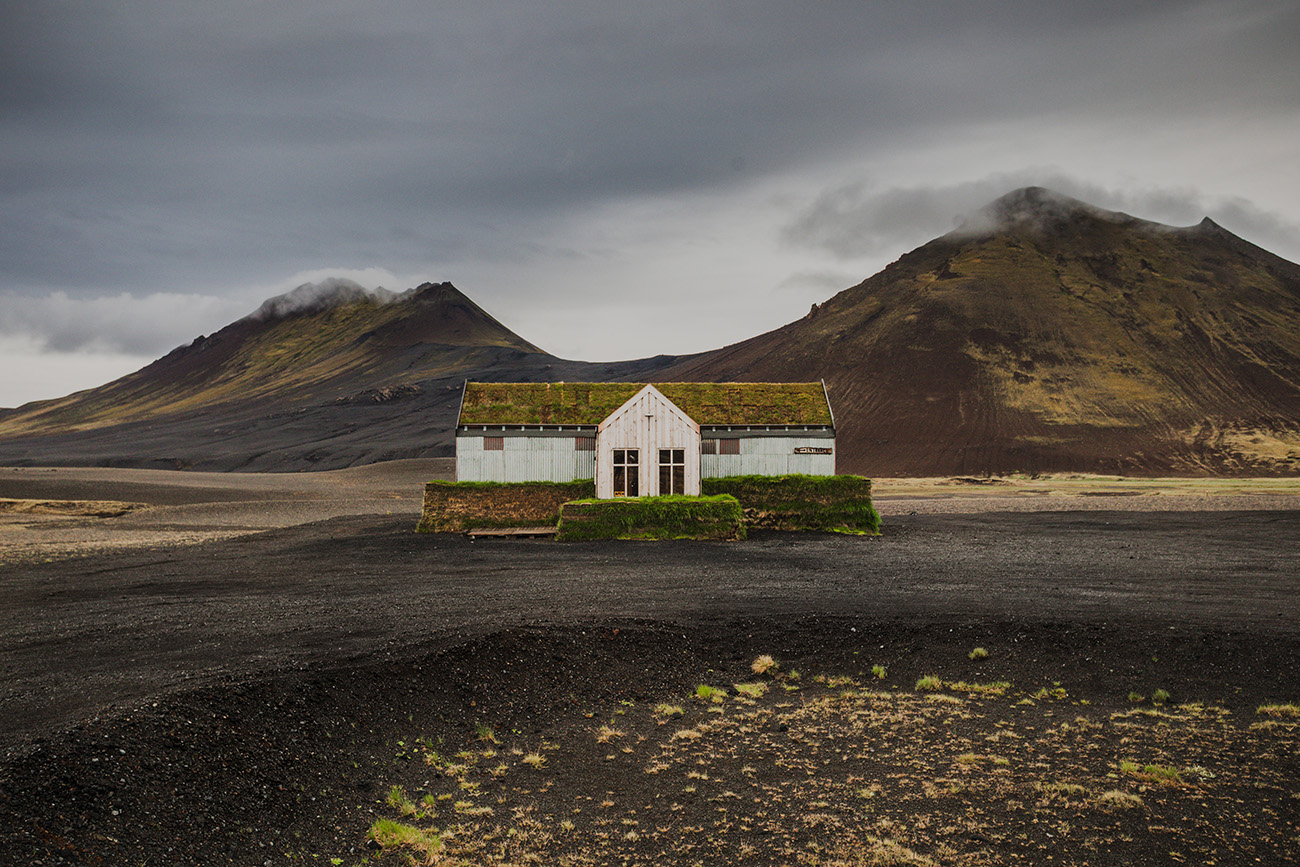
03 Mar Best photography destinations every travel photographer must visit
Planning a photography journey to the world’s most inspiring scenic destinations for photographers requires thoughtful planning, understanding the best seasons to visit, and having the right equipment. This guide highlights ten essential travel photography spots guaranteed to deliver unforgettable images every month of the year.
You can anticipate Iceland’s volcanic landscapes glowing under the midnight sun, California’s dramatic coast veiled in Pacific mist, Norway’s Arctic fjords shimmering beneath winter auroras, and Miami’s vibrant streets bursting with neon color. Each of these photography spots offers unique lighting, dramatic subjects, and countless opportunities to enhance your travel photography portfolio.
Why These Travel Photography Locations Stand Out Globally
These premier scenic destinations for photographers combine dramatic landforms, predictable lighting conditions, and accessible infrastructure, making them exceptional travel photography locations for visitors from all over the world. By planning around each location’s seasonal strengths, photographers can significantly enhance their image quality and vastly expand their creative possibilities while enjoying a wide variety of photography opportunities within a single trip.
Research into tourist photography clusters reveals how travelers consistently frame and share images, which in turn shapes the global perception of any island, coast, or mountain setting. Insights from these studies help photographers anticipate classic viewpoints while also discovering unique, fresh angles that keep their portfolios dynamic and original.
Iceland’s Year-Round Volcanic and Glacial Diversity
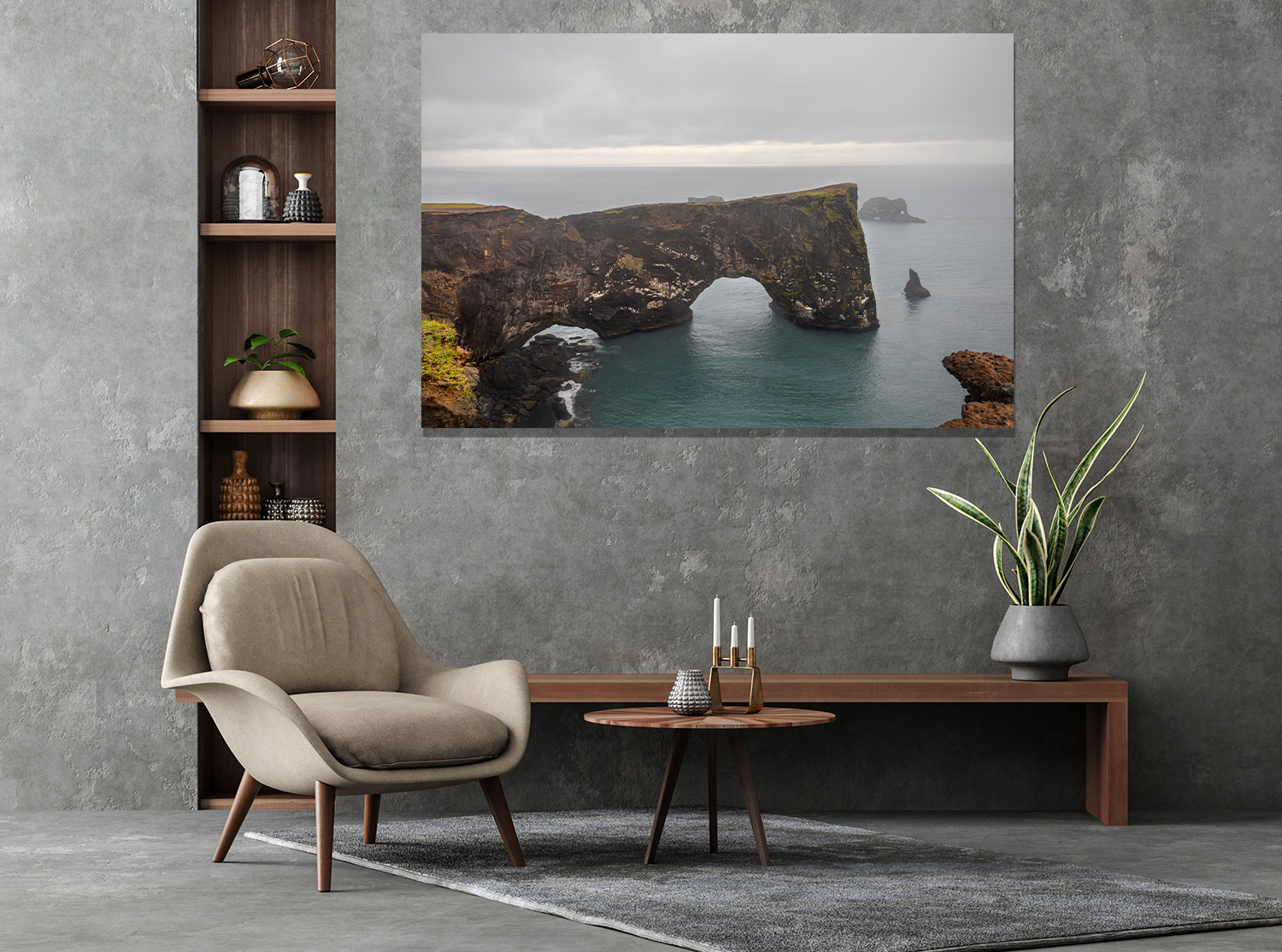
Iceland masterfully pairs volcanic black-sand beaches like those at Vík with surreal glaciers and iconic waterfalls such as Gullfoss and Seljalandsfoss. The winter’s aurora displays and the summer’s midnight sun provide a near-continuous window of beautiful, soft light, ensuring you can discover new compositions on every visit. This incredible island remains a reliable cornerstone for travel photography, offering endlessly renewable photography opportunities that change dramatically with the contrasting seasons.
California Coastlines and Southwestern Desert Contrasts
California’s magnificent Pacific coast offers photographers incredibly easy access to Big Sur’s rugged bluffs, the iconic granite monoliths of Yosemite Valley, and the stark, minimalist vistas of the Palm Springs desert. The close proximity of these diverse photography locations allows travelers to capture everything from misty shoreline drama and serene redwood forests to sun-baked sandstone arches all in one journey, perfectly illustrating how a single region can deliver a remarkable range of themes.
- Tunnel View sunrise: Position the majestic El Capitan, Bridalveil Fall, and Half Dome beneath golden morning light to create the classic, awe-inspiring Yosemite National Park panorama.
- Big Sur cliffs: Frame the iconic Bixby Creek Bridge against the powerful crash of Pacific waves for stunning foreground and background separation along the dramatic coast.
- Grand Canyon layered reds: Utilize the low-angle sunlight at dawn or dusk to reveal the incredible, shifting hues within the stratified rock, achieving a photograph with maximum dynamic range.
These Western highlights demonstrate how a road trip through California and the Southwest seamlessly connects fog-shrouded coasts with crystal-clear high deserts, providing landscape artists with unmatched creative flexibility and incredibly efficient travel photography opportunities.
Arctic Destinations for Aurora and Midnight Sun
Norway’s Lofoten Islands and the remote Svalbard archipelago offer fjords dramatically framed by red fishing cabins, icy peaks, and vibrant aurora curtains each winter. The continuous twilight of the summer months further extends shooting hours dramatically, allowing for long exposure shots completely free of harsh shadows. These environmental extremes make these northern photography locations utterly irresistible to photographers who are passionate about chasing rare atmospheric phenomena.
Shooting in Svalbard demands meticulous gear management: keeping extra batteries warm, securing sturdy tripods on frozen ground, and strictly adhering to wildlife safety protocols when operating in polar bear territory. With careful preparation, however, photographers can safely capture the breathtaking sight of vibrant auroras arching above the raw Arctic scenery, adding truly unique and powerful frames to their portfolio of scenic destinations for photographers.
When to Visit Top Photography Locations Worldwide
Strategic timing elevates travel photography from routine snapshots to memorable art, so photographers must grasp seasonal light, weather patterns, and natural events across photography destinations worldwide. The following guidance shows how to align every photography trip with perfect light, clear skies, and striking geographic phenomena that increase visual impact.
Golden Hour and Midnight Sun Timing Strategies
Shooting golden hour at crowded photography destinations worldwide means reaching iconic viewpoints well before dawn to secure space and catch calm water reflections. Spots such as Moraine Lake’s Rockpile or Santorini’s Oia often demand arrival two or three hours before sunrise to photograph undisturbed scenes.
Planning for the midnight sun in Arctic regions like Iceland and Lofoten between June and July lets photographers work under endless soft light without harsh midday contrast. This prolonged twilight removes typical golden-hour pressure, giving ample time to refine compositions, switch focal lengths, and capture multiple exposures while light quality stays consistent.
| Destination | Golden Hour Window | Midnight Sun Period | Aurora Season |
| Iceland | May-August (extended) | June-July | September-March |
| Norway Lofoten | May-August (extended) | June | September-March |
| California Coast | March-October (standard) | N/A | N/A |
| Grand Canyon | March-October (standard) | N/A | N/A |
| Miami | October-April (standard) | N/A | N/A |
Under nonstop midnight sun, neutral-density filters curb overexposure, whereas aurora work favors fast lenses and high ISO settings to reveal faint light curtains.
Aurora Season Planning for Arctic Travel Photography Locations
Capturing auroras between September and March in Arctic travel photography locations such as Iceland, Svalbard, and Lofoten combines precise timing with live aurora and cloud forecasts. Success hinges on tracking geomagnetic data three to five days ahead and staying mobile enough to reach the clearest skies when activity peaks.
Dark-sky selection is vital, so photographers scout mountain passes, high plateaus, or remote sections of the coast away from city glow that would mute the Northern Lights. These areas often require careful route planning and, in severe winter conditions, professional guides to balance safety with creative ambition.
- Forecast monitoring: Dedicated apps like AuroraWatch deliver real-time geomagnetic predictions, highlighting nights with the greatest Northern Lights potential.
- Cloud clearing: Satellite imagery pinpoints moving cloud bands, helping shooters position themselves under openings where aurora displays will shine brightest.
- Equipment preparation: Keep spare batteries warm, use fast wide-angle lenses, secure tripods on icy ground, and test controls before cold hampers dexterity.
Even under ideal statistics, several cloudy or inactive nights are common, so seasoned photographers schedule stays of at least five to seven nights, boosting odds of witnessing a memorable aurora spectacle.
Seasonal Color Peaks at Each Location
Timing visits for peak color adds striking foregrounds, whether aspen gold in Banff’s autumn, cherry blossoms in Kyoto’s spring, or wildflowers along the California coast from March to May. These color cycles refresh familiar photography locations with vibrant contrasts that deepen viewer engagement.
Iceland’s wildflowers bloom in July and August, splashing purple lupines and orange Arctic poppies across black sand, while New Zealand’s spring from September to November surrounds dramatic mountain scenes with golden tussock and blossoms. Planning your photography trip around such botanical calendars demands research into local growing seasons and climate trends affecting bloom schedules at different latitudes and elevations.
Essential Camera Gear for Travel Photography Destinations
When preparing for adventures in mountain or coastal settings, investing in professional, weather-sealed camera bodies and versatile lenses is essential for reliable travel photography. This type of equipment is built to endure the demanding climates often encountered at world-renowned photography destinations worldwide, whether you’re exploring historic European cities or capturing remote landscape photography locations within national parks.
Wide-Angle and Telephoto Lens Selection
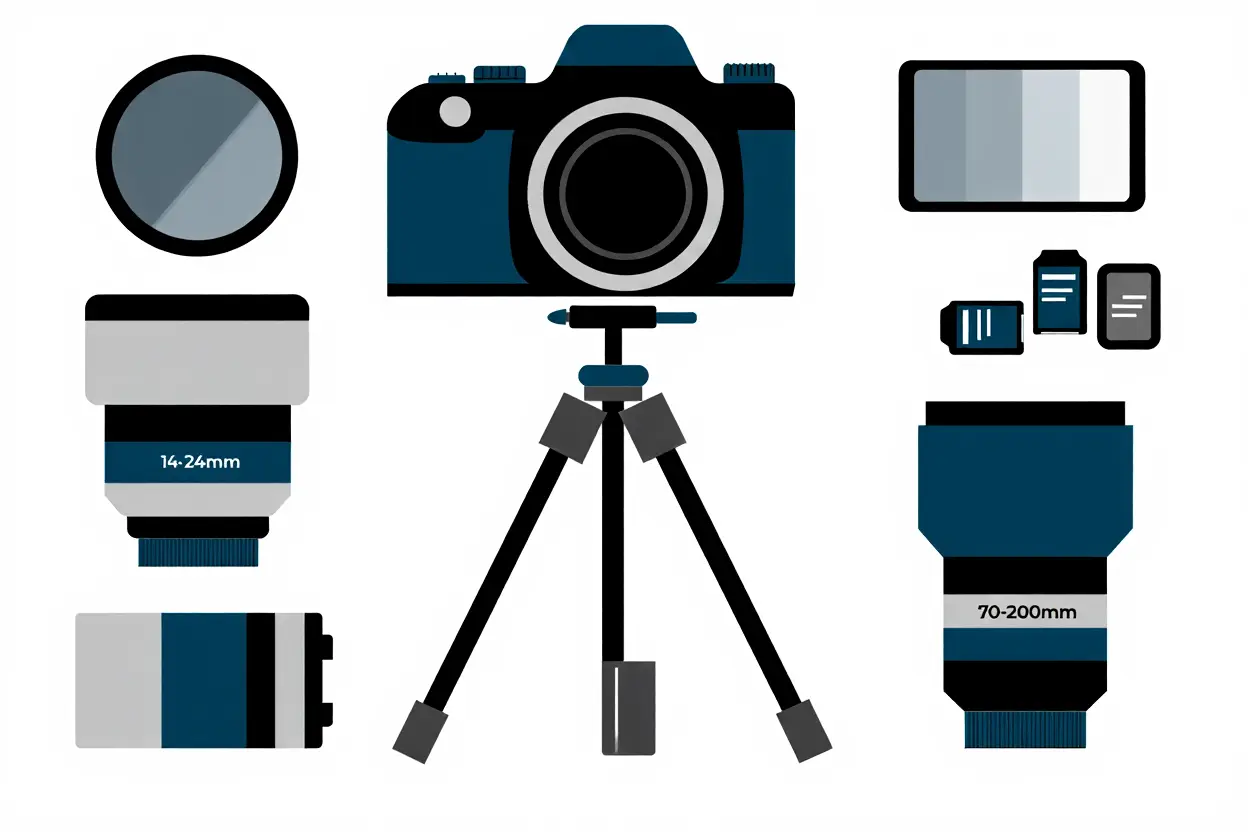
Combining a durable camera body with a wide-angle 14-24 mm lens allows you to capture the sweeping vistas of Yosemite National Park and other majestic landscape photography scenes. A 70-200 mm telephoto lens, on the other hand, compresses distances beautifully—ideal for framing distant mountain peaks, wildlife, or the intricate architecture found in storied destinations like Paris and other top travel photography locations.
- Wide-angle 14-24 mm: Perfect for Norwegian fjords, the layered depths of the Grand Canyon, or the powerful waterfalls of Iceland, where a broad field of view highlights the area’s natural drama.
- Telephoto 70-200 mm: Lets you safely photograph wildlife in Svalbard, stack alpine ridges for depth, or zoom in on historic stonework adorning Parisian cathedrals and Venetian façades.
- Fast aperture f/2.0–f/2.8: Maximizes light intake for aurora photography or low-light Arctic travel photography, reducing ISO noise and minimizing the need for very long exposures.
- Versatile zoom 24-70 mm: Covers a wide range of everyday framing needs, reducing how often you need to change lenses—especially useful in dusty or humid photography locations.
The best lens choice depends on your subject and lighting: coastal photographers often rely on sealed wide-angles to guard against salt spray, while wildlife specialists prefer quick-focusing telephotos to capture sudden movements in dimly lit forest clearings.
Filters and Tripods for Landscape Shooting
Circular polarizers help reduce glare on water surfaces and enrich blue skies, enhancing coastal images at places like Big Sur or Miami. Graduated neutral-density filters are excellent for taming bright horizon lines, balancing exposure in magnificent national parks such as the Grand Canyon or Yosemite, where bright skies might otherwise overpower detailed foregrounds.
A sturdy tripod is indispensable for stabilizing shots at sunrise, sunset, or under the stars, ensuring pin-sharp long exposures that transform moving water into silky flows or reveal the brilliance of starry Yosemite skies. Pair your tripod with a remote release or smartphone app to eliminate camera shake—a crucial technique when working with long telephoto lenses during detailed landscape photography sessions.
Shooting Techniques for Iconic National Parks and Coasts
Creating award-winning travel photography requires a blend of thoughtful composition and flawless technical execution. Photographers must merge their artistic vision with precise camera control, especially when faced with unpredictable weather and challenging lighting conditions that test every exposure.
Composition Strategies at Yosemite and Grand Canyon
At Yosemite National Park, the sunrise from Tunnel View offers a classic scene where El Capitan, Bridalveil Fall, and Half Dome are bathed in golden light. To capture this iconic view, arrive well before crowds gather and the morning glow fades.
- Tunnel View sunrise timing: Plan to arrive 90–120 minutes before sunrise. This gives you time to refine your composition and witness the warm light gradually illuminate El Capitan and Bridalveil Fall.
- Grand Canyon layered exposure: Use graduated ND filters to balance the bright sky with shadowed foregrounds, preserving the rich color contrasts between the rose-gold cliffs and cooler ridges.
- Seasonal foreground elements: Incorporate elements like wildflowers, autumn aspens, or patches of snow in the foreground to add color, provide scale, and enhance depth.
- Multiple focal lengths: Capture both sweeping wide-angle scenes and detailed telephoto shots. This provides a variety of perspectives, ideal for storytelling in these stunning photography locations.
Along the Grand Canyon’s South Rim, the layered red rocks transform throughout the day. Dawn highlights the eastern walls, while sunset sets the western cliffs aglow, offering distinctly different color palettes within the same vast landscape.
Safety and Environmental Considerations on Location
Never let creative ambition compromise safety near steep drop-offs. Compose your shots from stable ground and use remote triggers instead of risking a dangerous position for the perfect angle.
- Remote trigger utilization: Wireless remotes or smartphone apps allow you to adjust your framing without repeatedly—and tiringly—returning to the edge.
- Tripod placement: Always place your tripod on firm, stable ground. Avoid extending it over loose soil or unstable surfaces where a slip could lead to disaster.
- Stay on marked trails: Help protect delicate coast and tundra ecosystems by sticking to established paths. This allows natural areas to recover and remain undisturbed.
- Wildlife safety protocols: Use long lenses, like a 70–200mm, to photograph bears or other wildlife from a safe and respectful distance.
Respect the environment by adhering to night photography guidelines, securing necessary drone permits, and practicing Leave No Trace principles. These efforts help preserve national parks for future photographers and visitors.
Logistics and Planning for Remote Destinations
Plan well in advance: book accommodations months ahead, reserve a 4×4 vehicle for rugged terrains like Iceland’s Ring Road, and verify permit requirements for protected areas before you depart. Popular spots—such as Tunnel View in Yosemite and the rim of the Grand Canyon—often fill up before dawn, so arrive early or consider camping overnight nearby.
Guided photo tours can simplify travel to remote locations. They often include transportation, weather-specific advice, and ideal timing for capturing the best light on each coast or canyon wall. Knowledgeable guides share proven techniques, helping participants return home with stronger portfolios from these world-renowned photography locations.
Frequently Asked Questions
What are the most photogenic countries for travel photography?
For exceptional travel photography, certain photography destinations consistently top the list. Iceland offers volcanic landscapes and winter auroras, while Norway provides dramatic fjords and Arctic light. New Zealand combines rugged mountain scenery with wild coast lines, and France and Italy captivate with their historic charm and cultural depth. Portugal is renowned for its light and architecture, India for its vibrant colors and energy, and Australia for its diverse and unique landscapes. The United States, particularly Arizona, is famed for its stunning national parks and canyon country, while Dubai presents a striking contrast of modern architecture and desert dunes.
The ideal season varies by location. The island nation of Iceland and the Svalbard archipelago are winter havens for aurora hunters, while New Zealand blooms with spring wildflowers. France and Italy bask in the glow of long summer evenings. Ultimately, the best country depends on whether your passion lies in landscape, urban, cultural, or wildlife travel photography.
When is the best time to visit popular photography destinations for optimal lighting conditions?
The perfect light depends on your location, the weather, and your subject. For a photography trip to Iceland, midsummer offers 24-hour twilight, while September to March is prime for the northern lights. Norway’s Lofoten islands are bathed in the soft light of the midnight sun in summer, yet autumn provides the crisp darkness needed for astrophotography.
The California coast is at its best from March to May with blooming wildflowers and again from September to October for clear, warm sunsets. Arizona‘s national parks offer the clearest air and most comfortable temperatures in the spring (March-May) and fall (September-November). Tropical spots like Dubai benefit from the low winter sun, avoiding the harsh light and summer storms. No matter where you go, always plan for the golden hour and research local seasonal patterns before booking your flights.
What camera gear do I need for travel photography at challenging destinations?
For rugged travel photography, start with a weather-sealed camera body. Essential lenses include a 14–24mm wide-angle and a 70–200mm telephoto. A sturdy carbon-fiber tripod is non-negotiable. Also pack circular polarizers, graduated and neutral-density filters, a remote release, multiple memory cards, and at least two spare batteries (keep them warm in your jacket on cold island shoots). Fast lenses (f/2 to f/2.8) are crucial for capturing auroras in Norway, nightscapes in the desert near Dubai, or the Milky Way over a mountain in New Zealand.
Don’t forget a protective rain cover, a shock-proof backpack, and a compact charger to keep you powered in remote national parks. A reliable ball-head tripod is perhaps the most vital accessory after your camera and lenses, ensuring sharp long exposures along the coast, in canyons, and on historic streets. Finally, a lightweight backup camera body is excellent insurance for any photography trip, safeguarding your shots in Portugal, Australia, India, or Arizona.

Sorry, the comment form is closed at this time.