

Understanding Porsche 356 Pricing in 2026
The Porsche 356 is the very foundation of Porsche’s legendary sports car heritage. Born in 1948 in a repurposed Austrian sawmill, this rear-engine icon continues to command impressive prices globally. As of 2026, valuations range from $150,000 for a solid Coupe to over $550,000 for a pristine Speedster at auction.
Ferry Porsche and Erwin Komenda designed the 356 following a lightweight philosophy that would go on to define every future model. Production moved to Zuffenhausen in 1950, where the car evolved through the A, B, and C series before concluding in 1966. The 356’s pioneering design and racing pedigree solidified the brand’s reputation for outstanding engineering.
Current Market Values by Model Variant
Cars & Roses — Fine Art Photography
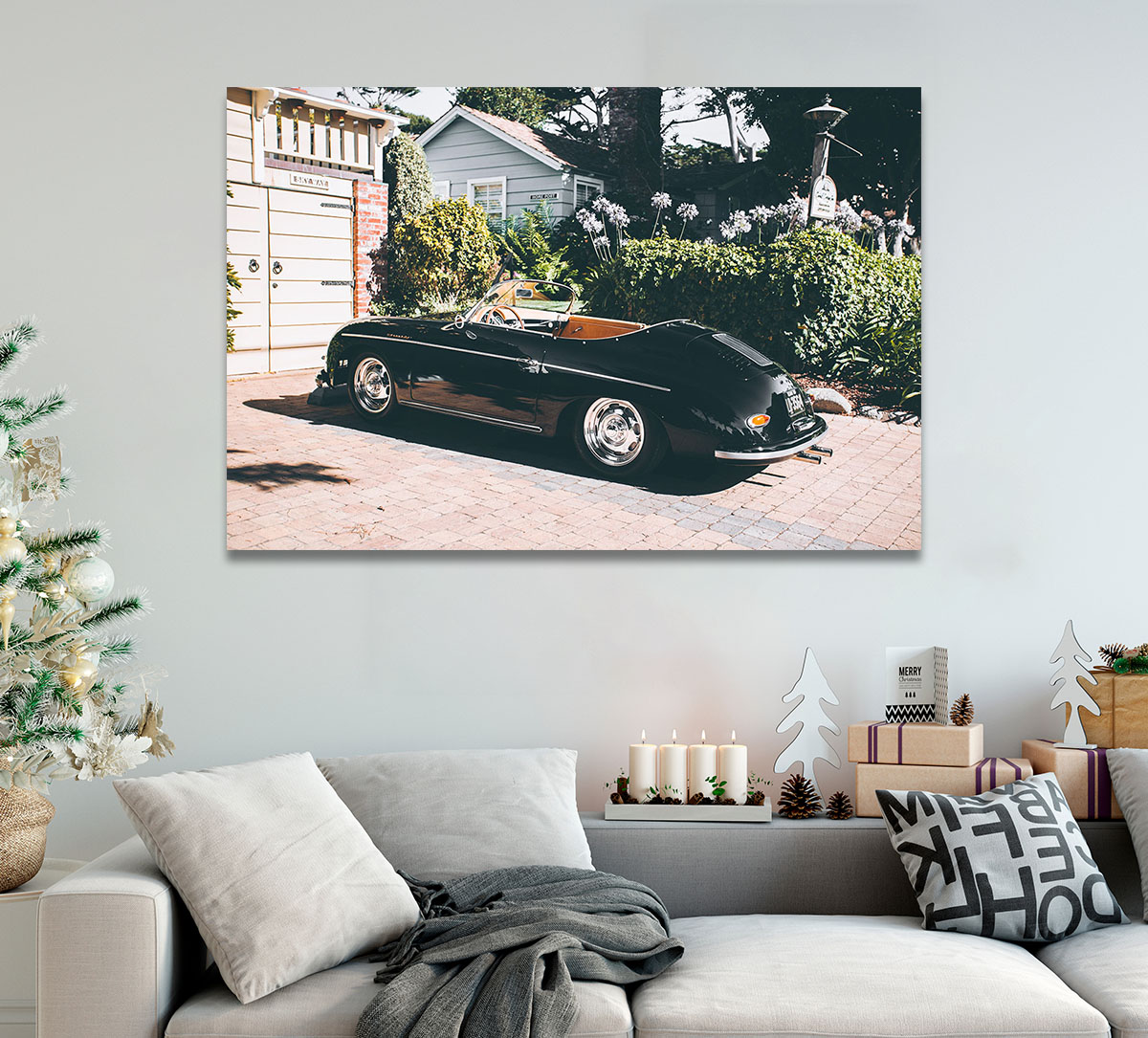
Porsche 356 — Fine Art Photography Prints
Celebrate the Porsche 356 legend with museum-quality archival prints. Starting from €78.
In 2026, a vehicle’s value is primarily determined by its condition and specific rarity. An analysis of the current market reveals several distinct price brackets for prospective buyers:
Standard Production Models
- 356 Coupe: Original examples with documented history typically sell for $150,000–$250,000.
- 356 Cabriolet: Prices range from $180,000–$300,000, with factory-original paint significantly increasing the final sale price.
- 356 B variants: These models generally fetch $150,000–$250,000, heavily dependent on service records and authenticity.
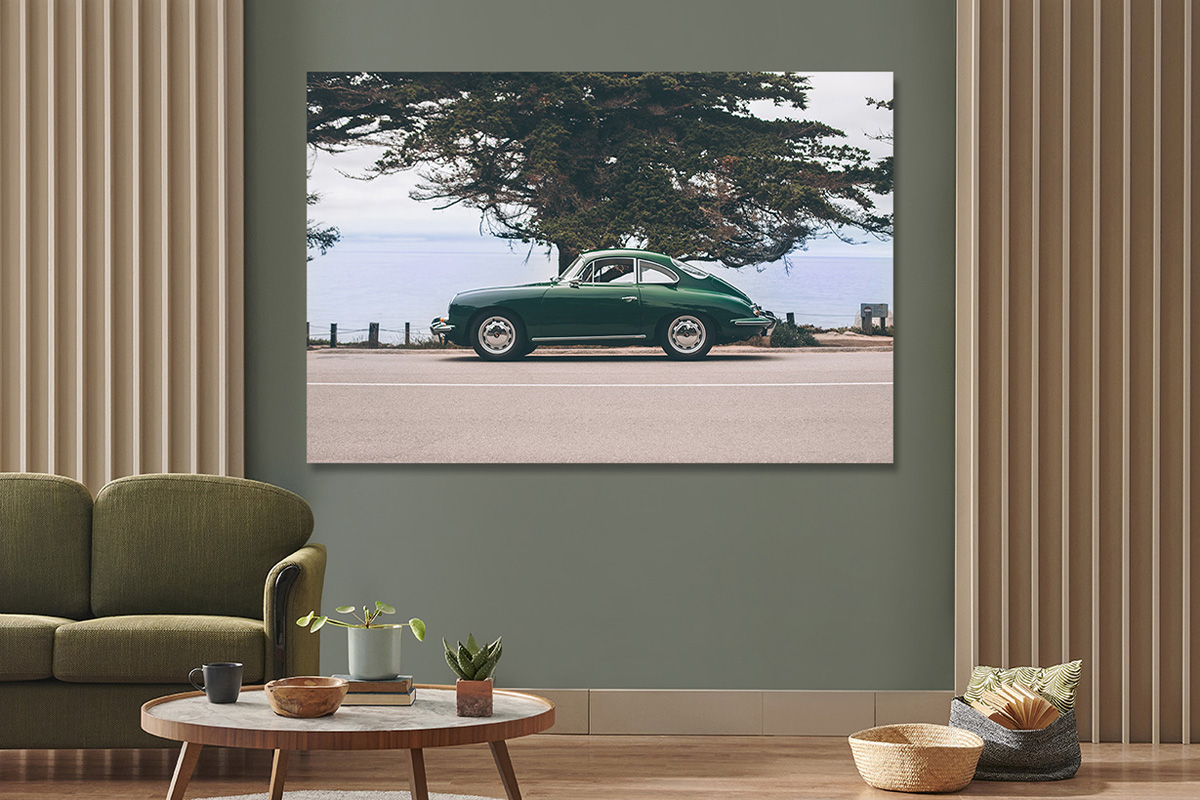
- 356 C models: Low-mileage Carrera versions often trade for $250,000–$400,000.
High-Value Collectible Variants
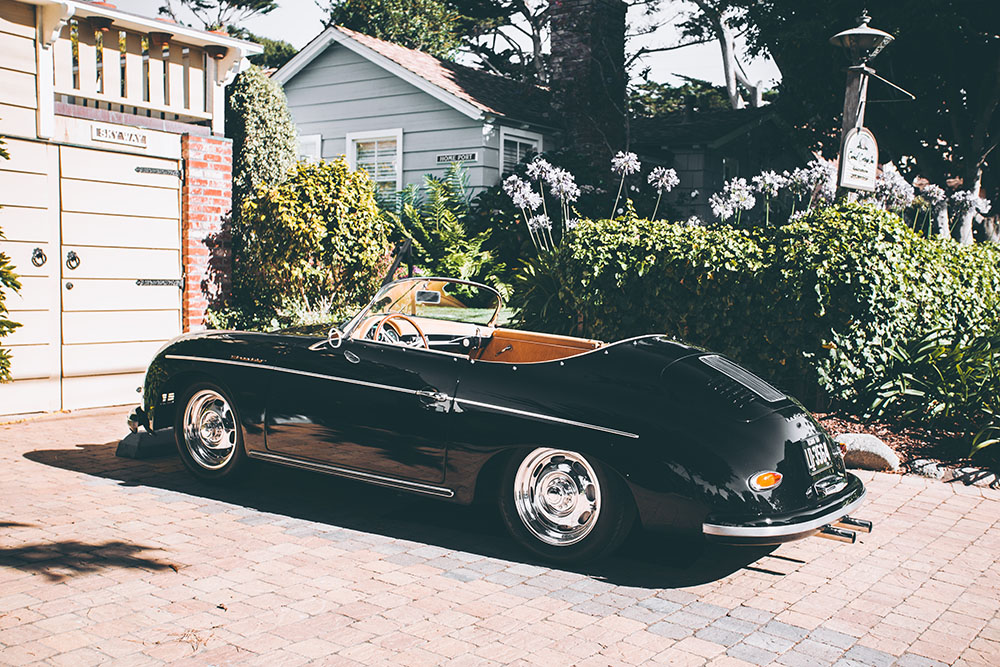
The most sought-after configurations consistently achieve significantly higher figures. A genuine Porsche 356 Speedster from the late 1950s can reach $300,000–$550,000, depending on its provenance. Meanwhile, rare early 356/1 and 356/2 survivors often command $500,000–$800,000 due to their extreme scarcity.
The Porsche 356 Super boasts enhanced performance from its more powerful engine and reinforced chassis components. Collectors drawn to racing history frequently pay between $250,000 and $400,000 for these spirited machines. Competition-spec models with factory tuning carry a unique story premium, often exceeding standard prices by nearly $50,000.
What Drives Value in Today’s Market
Cars & Roses — Fine Art Photography
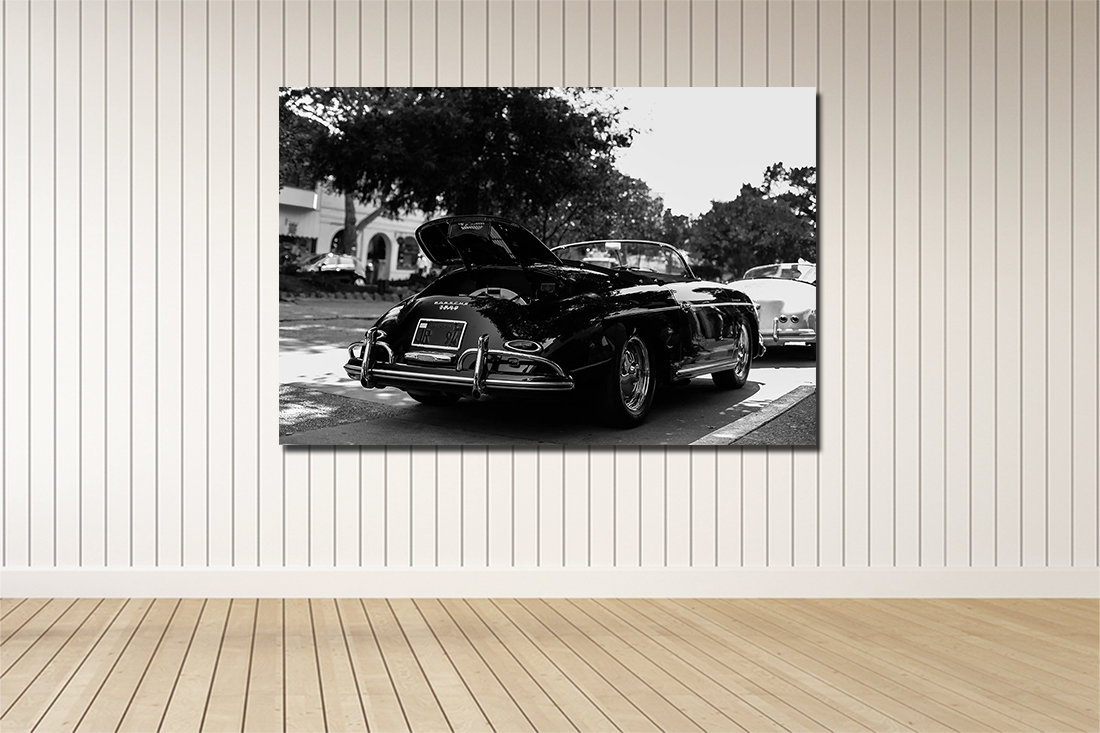
Porsche Fine Art — Limited Edition Prints
Each print individually numbered. For Porsche enthusiasts and discerning collectors.
A range of factors determines whether a specific Porsche 356 commands a premium price or sells for a more modest sum. Recognizing these key elements is essential for any buyer to accurately assess the car‘s true market value. A deep understanding of each vehicle’s unique story and condition is fundamental to making a sound purchase.
Originality and Matching Numbers
Comprehensive factory documentation, including build sheets and original invoices, is a primary driver of value. Vehicles with matching-numbers powertrains and period-correct interiors can often see their prices increase by 15–30%. Furthermore, collectors show a strong preference for factory-specification restorations performed by recognized specialists, valuing them far above heavily modified or custom builds.
Condition Grading System
Experts typically grade a classic car’s condition on a five-point scale, from pristine Concours quality down to a standard Restored status. Each step down in classification can reduce the vehicle’s value by approximately 15–30%. Given that these models lack modern rust-proofing, examples with minimal body corrosion command a significant financial premium.
Rarity and Model Configuration
Inherently low production numbers create natural scarcity, making certain variants exceptionally sought after. The 356 Speedster remains one of the most coveted models, with only about 1,400 units ever produced. A verified racing history or unique factory color combination can further boost a car’s value by an impressive $20,000 to $50,000.
Investment Appeal and Market Trends
The market for this iconic European sports car continues to grow as we move through 2026. Auction houses report a 12% increase in listings compared to previous years, indicating robust activity. Demand remains particularly strong for well-documented, low-production examples, which tend to sell quickly to eager buyers.
Why Collectors Invest in the 356
The growing trend of asset diversification has significantly boosted the appeal of investing in vintage automobiles. The 356 offers tangible value due to its inherently limited supply—only about 76,000 units were sold globally. Furthermore, a new generation of younger investors is entering the market, expanding the buyer base well beyond traditional collectors.
Virtual showrooms and online forums are accelerating global exposure and helping to standardize prices across different regions. Well-preserved Porsche 356 Cabriolet and Speedster models benefit greatly from this increased visibility. Platforms like Bring a Trailer foster highly competitive bidding, which in turn helps establish clear and transparent market values for these classic cars.
Long-Term Appreciation Outlook
Historical data shows that well-maintained 356 models have enjoyed steady appreciation over the last decade. Its prestigious status as Porsche’s first production automobile ensures that collector interest remains consistently high. This is further supported by rising disposable income among affluent buyers, which correlates directly with increased bidding activity at major auctions.
Media coverage of historic races or celebrity ownership can often trigger short-term spikes in demand. For the long term, ownership is widely viewed as a sound strategy with strong potential for continued growth. However, prospective buyers must carefully factor in potential restoration costs, which can often reach $80,000 or more, into their total investment calculation.
Model Variants and Identification
Understanding the differences between the various models is essential for buyers to assess their relative value and rarity. Throughout its 17-year production run, the classic 356 underwent substantial evolution.
Early Production Models
The earliest pre-A examples manufactured from 1948 to 1950 are the rarest configuration, with fewer than 500 believed to exist worldwide today. These hand-built cars from Gmünd featured distinctive aluminum bodies and very few amenities, making them highly sought after by collectors. A well-documented Porsche 356A 1959 model perfectly bridges the gap between that initial scarcity and the brand’s later, more refined engineering.
Series Updates Through 1965
The 356 A series, produced from 1955 to 1959, introduced elegant curved windshields and larger brakes for improved style and performance. The subsequent 356 B, built until 1963, brought redesigned bumpers, headlights, and the unique notchback 356 Coupé. The final 356 C series offered advanced disc brakes and the powerful SC engine, representing the absolute peak of the flat-four’s development.
Key body styles include the Coupé, Cabriolet, Roadster, and the minimalist Speedster. Each one offers a distinct driving character: the Speedster emphasizes lightweight performance, while the Coupés provide an excellent balance of comfort and structural rigidity.
Special Editions and Competition Models
The exceptionally rare Porsche 356 Carrera was equipped with potent four-cam engines and a competition-tuned suspension. The GT/GS specifications introduced further weight-saving measures, such as alloy body panels, larger fuel tanks, and Plexiglas windows. These race-bred variants now command enormous premiums due to their illustrious competition histories and extremely limited production numbers.
Buying Considerations for 2026
Prospective buyers must carefully evaluate several key factors before investing in a classic car like the 356. Thorough research is your best defense against making a costly mistake.
Documentation and Provenance
Comprehensive documentation, including factory build sheets and a complete history of service invoices, can significantly enhance a car’s resale potential. Verified provenance adds a fascinating narrative to the vehicle, particularly if it’s linked to historic races or notable previous owners. Always insist on reviewing the full documentation package before committing to any purchase.
Restoration Quality Assessment
A high-quality, period-correct restoration preserves the car‘s integrity and maintains its appeal to discerning collectors. Be aware that modern modifications to the suspension or braking systems can actually lower the vehicle’s value in the eyes of purists. It’s crucial to verify that any restoration work used factory-specification parts and historically accurate techniques.
Exercise extreme caution with any 356 Speedster replica presented as an original vehicle. Authentic cars possess specific, verifiable chassis codes and factory documentation that replicas cannot provide. A genuine Porsche 356 Speedster demands a significantly higher price than a replica conversion, making independent verification absolutely essential.
Rust and Structural Integrity
Since all 356s were built before modern rust-proofing techniques were common, finding a clean, solid example is well worth paying a premium for. Comprehensive, specialist inspections by professionals intimately familiar with 356 construction are non-negotiable. Investing in a solid, low-rust car from the start will dramatically reduce long-term ownership costs and protect your financial investment.
Where to Find Porsche 356 Models for Sale
You can find a Porsche 356 for sale by exploring auction houses, specialized dealers, and various online platforms. Each of these options offers distinct advantages for prospective buyers.
Auction Houses and Classic Car Events
Leading auction houses—such as RM Sotheby’s, Bonhams, and Gooding & Company—often feature premium 356 models. These auctions help establish market trends and attract serious collectors willing to bid high for an outstanding classic car. Attending prestigious events like the Concours d’Elegance or local vintage meets also offers excellent opportunities to connect with private sellers.
Online Marketplaces
Sites like Bring a Trailer, Hemmings, and ClassicCars.com broaden your search and often lead to competitive bidding. Listings typically include comprehensive photo sets and maintenance records, helping you assess an original vehicle’s condition remotely. Porsche enthusiast forums are another great resource, as they frequently feature private sale listings from knowledgeable owners.
Specialized Dealers
Dealers who specialize in Porsches usually offer a curated selection of pre-inspected vehicles. Many provide warranties, detailed condition reports, and ongoing support after the sale. While prices may be higher than in a private transaction, the added peace of mind and expertise are valuable for many buyers.
Preserving Your Investment
Proper maintenance and storage are essential to protect both your driving pleasure and the long-term value of your car. Establishing a consistent care routine is especially important for these air-cooled flat-four engines.
Regular Maintenance Programs
Using factory-spec parts for period-correct servicing helps preserve both authenticity and performance. Seek out specialists familiar with 356 mechanics for jobs like carburetor tuning, valve adjustments, and transmission service. Sticking to a scheduled maintenance plan helps prevent costly repairs and keeps the engine in top shape—a priority for any collector.
Classic Car Insurance
Agreed-value insurance from providers specializing in collector cars offers optimal protection. These policies are often more affordable than standard auto insurance and acknowledge the vehicle’s potential appreciation. Be sure to update your agreed value annually to reflect market trends and any restoration work.
Storage and Protection
Storing your classic 356 in a climate-controlled space helps prevent rust and interior deterioration. Using a battery tender, fuel stabilizer, and monitoring tire pressure will keep the car ready to drive. Regular use is actually beneficial—owners who drive their 356s occasionally often report better mechanical health than those who rarely take them out.
Why the Porsche 356 Remains Relevant in 2026
The Porsche 356 holds an enduring appeal, primarily due to its pivotal role in automotive history. As the first production model from Porsche, it established the core design and engineering principles that continue to influence sports cars to this day. The model’s early successes at prestigious races like Le Mans were instrumental in forging the brand’s formidable reputation for performance.
Its timeless aesthetic, a blend of elegance and functional aerodynamics, was shaped by coachbuilt bodies from renowned firms like Karmann and Figoni et Falaschi. Limited-edition photography that celebrates the 356’s iconic silhouette continues to capture the imagination of collectors, reinforcing the car’s significant cultural status.
For driving enthusiasts seeking a genuine connection to motoring heritage, this classic car delivers a pure, visceral experience that modern vehicles simply cannot replicate. Its lightweight construction, direct steering feedback, and unique air-cooled engine note provide an engaging, analog driving feel that is increasingly rare. This powerful emotional connection is a key reason demand remains strong across all generations.
Collectors see the 356 not merely as a means of transport, but as an essential benchmark for vintage design. Museum-quality prints that showcase the 356’s elegant proportions demonstrate how this model’s influence extends beyond automotive circles into the realm of broader aesthetic appreciation.
Whether bought as a weekend cruiser or a tangible investment asset, the Porsche 356 Speedster offers satisfaction on multiple levels. Its unique combination of storied history, unparalleled driving pleasure, and strong potential for financial appreciation makes it a cornerstone of any serious collection.
For those considering a Porsche 356 Speedster replica as an entry point, it’s important to note that authentic models offer far greater investment security. While a 356 Speedster replica can provide an accessible driving experience, it lacks the irreplaceable provenance and value trajectory of a genuine, factory-built car.
Premium art prints featuring artistically reworked 356 photography allow enthusiasts to celebrate the Speedster legacy in their personal spaces. This is a wonderful way to keep the icon’s visual spirit alive, perfect for admirers who may not be in a position to own one just yet.
As the classic European car market continues to mature in 2026, the Porsche 356 stands firm as a benchmark for both stability and historical importance. Its limited production numbers and powerful emotional resonance ensure this legendary vehicle will remain relevant and celebrated for decades to come.
Cars & Roses
Discover Our Collections
Prestige
Porsche Collection
Fine Art Prints
Automotive
Sports Cars
Fine Art Prints
Landscape
Landscapes
Fine Art Prints
Museum-quality archival prints — from €78 — worldwide shipping