
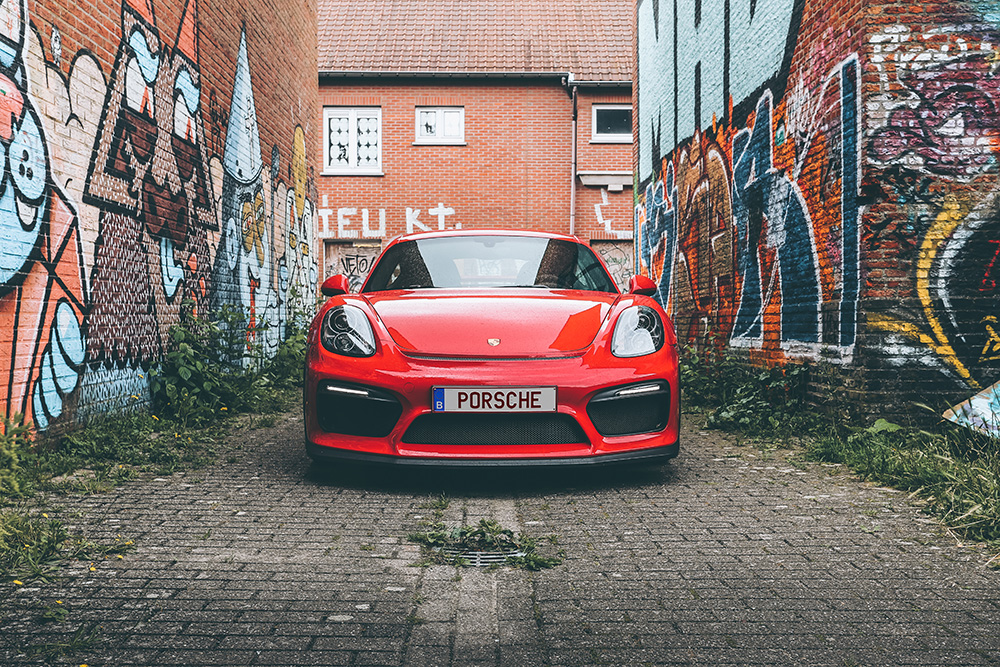
23 Jan Creative car photography ideas and tips for amazing shots
Great car photography ideas transform everyday vehicles into compelling visual stories that can elevate any photographer’s portfolio. This comprehensive guide covers essential techniques—from mastering lighting and composition to optimizing camera settings—that will help you capture gallery-quality images whether you’re shooting a vintage car, classic Ferrari, or modern rig. Explore powerful black-and-white car photography ideas that beautifully emphasize sculptural lines through directional lighting, low-angle compositions, and thoughtful post-processing.
Essential lighting setup for stunning car photoshoot ideas
Golden hour lighting forms the perfect foundation for memorable car photoshoot ideas by enveloping the vehicle’s paintwork in warm, soft-shadowed tones. Position your subject at approximately a 45-degree angle to the sun to allow gentle highlights to accentuate every curve, enhancing depth while managing reflections effectively.
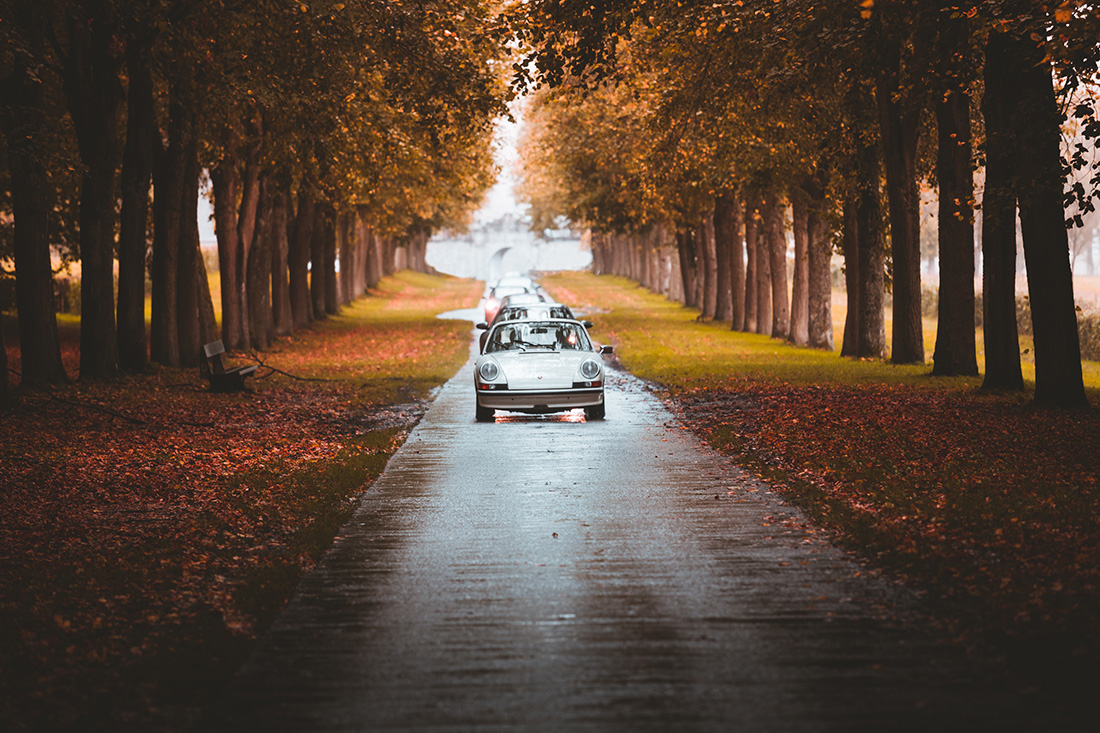
How to use natural light for dramatic automotive shots
Natural light offers incredible creative freedom for car photography without requiring expensive equipment. During sunrise, position yourself to shoot from east to west so the light skims across wheels, badges, and mirrors, highlighting metallic textures beautifully. At sunset, move perpendicular to the sun to create glowing edges that outline the car and separate it clearly from the background.
- Sunrise positioning: Capture warm side-lighting that accentuates the vehicle’s angles while maintaining paint clarity.
- Sunset angles: Frame striking silhouettes with radiant rims that define the car’s distinctive profile.
- Overcast conditions: Utilize cloud cover as a natural softbox for even illumination that reveals interior details.
- Directional shadows: Early morning or late afternoon light creates bold shadows that emphasize power and suggestion of motion.
Long exposure techniques blend motion trails with sharply focused vehicle details. Secure your camera on a sturdy tripod, set shutter speeds around two seconds, and allow passing lights to paint dynamic streaks through your parking lot scene.
Artificial lighting techniques to enhance vehicle details
Artificial lighting techniques prove invaluable for shoots in low light conditions or indoor environments. Position large softboxes at 45-degree angles to minimize harsh specular highlights while emphasizing the vehicle’s three-dimensional form. Enhance your setup with reflectors that bounce soft light onto chrome elements, wheels, and window trims.
Combine backlighting and fill lighting for a balanced composition: use rim lights to define the car’s silhouette against the background, then employ a small LED panel or reflector to brighten the grille area, maintaining contrast without flattening surfaces.
Managing reflections and glare on glossy surfaces
A polarizing filter is essential for successful car photography as it reduces glare on windows and chrome while preserving color saturation. Rotate the filter until reflections diminish, then adjust exposure settings to protect highlight details.
If unwanted reflections persist, modify your shooting angles so that panels reflect open sky rather than direct sunlight. On overcast days, naturally diffused light eliminates harsh hotspots, allowing you to concentrate on creative photoshoot ideas, perfecting camera settings, and refining overall composition.
Mastering compelling car photography requires thoughtful composition that directs the viewer’s eye toward automotive design excellence. Get inspired by this striking Ferrari California photo concept to see how foreground textures, balanced lighting, and strategic positioning add depth and dramatic impact. Effective composition strategies transform ordinary car photos into gallery-worthy art that communicates a cohesive story about the vehicle, the road, and its environment.
Powerful Angles and Composition for Car Photography Sessions
Intentional angle selection magnifies a vehicle’s character and conveys authority. Shooting approximately 30 degrees below eye level makes front grilles dominate the frame, emphasizing power while highlighting both modern and vintage car styling cues. Combine low perspectives with controlled lighting to reveal muscular surfaces and show how each curve interacts with the background environment.
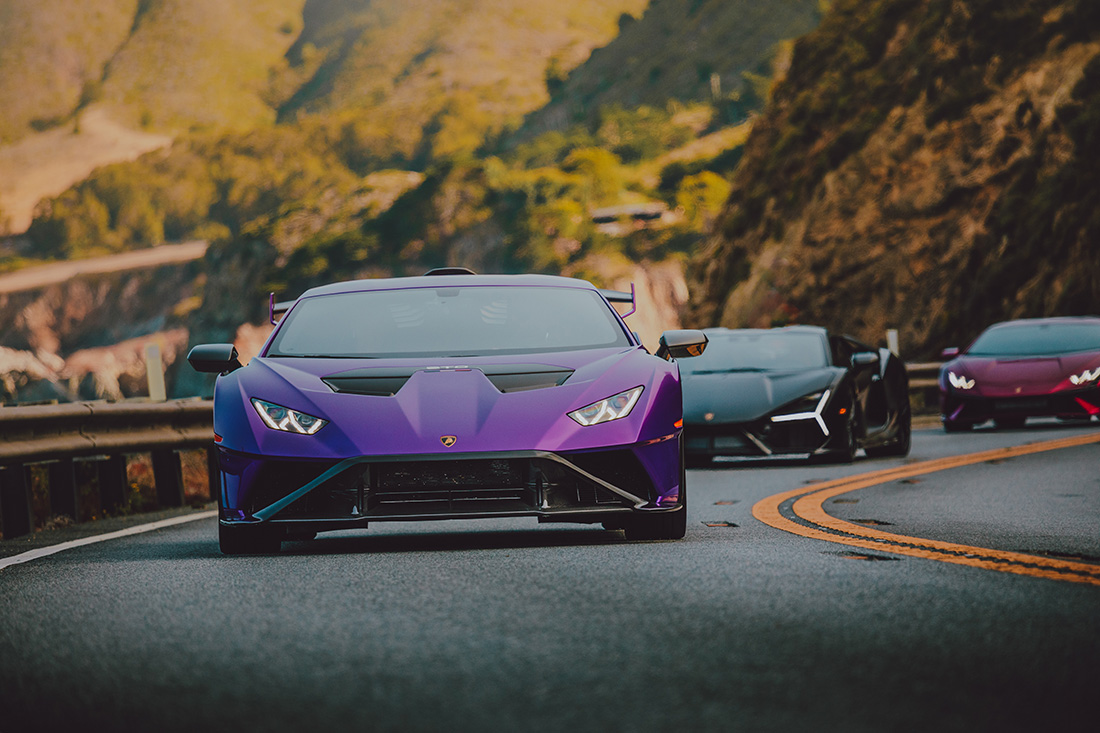
Best Camera Angles to Showcase Vehicle Design
Diverse camera angles reveal unique facets of a car’s personality. Blend three-quarter views that display both profile and front features, low-angle shots that suggest dominance, and elevated perspectives that clarify roof lines and overall proportions. Changing positions around the vehicle keeps viewers engaged and showcases engineering precision from every angle.
- Three-quarter view: Position the camera about 45 degrees off the nose to capture grille details and flowing side panels in one balanced composition.
- Direct profile shot: Stand perpendicular to the vehicle to create crisp silhouettes that emphasize sweeping lines or boxy muscle, depending on the model.
- Front-end emphasis: Place the lens low and tilt slightly upward so aggressive headlights and badges gain commanding visual weight.
Interior perspectives deepen the narrative by illustrating the driving experience. From the driver’s seat, focus on steering wheel textures, gauges, and ambient lighting that echoes exterior styling. Alternatively, mount a small camera in a rear corner of the cabin to show how occupants engage with technology while cruising down the road.
Framing Techniques That Add Depth and Context
Foreground framing with natural objects adds layered interest and guides viewers through the composition. Position trees, architectural elements, or roadside barriers between your lens and the vehicle to establish multiple depth planes, enhancing the sense of motion and place. This technique anchors the car within a relatable environment, making each car photo feel authentic and intentional.
Off-center placement introduces visual tension that holds attention. Position the vehicle slightly left or right of center, allowing negative space to imply upcoming motion or thoughtful pause. Careful use of lighting on the nearer side panel draws the eye toward emblems, wheels, and other design features without overwhelming the overall composition.
Silhouette framing with strong backlighting celebrates iconic shape over surface detail. Photograph the vehicle at sunset so the sky glows behind it, turning the outline into a bold graphic against a soft background. Incorporate leading lines from the road or fence rails to funnel attention toward the silhouette, uniting angles, composition strategies, and storytelling in one compelling image.
Choosing the right location is crucial for transforming your creative car photoshoot. It determines if your vehicle stands out in pure brilliance or becomes part of a compelling story within its surroundings. Discover inspiring car photography ideas for your walls and see how powerful backdrops can elevate a simple car photo into a piece of art. Effective location scouting is key, allowing cars to become the main characters in narratives of adventure, luxury, and classic design.
Inspiring locations for your next car photoshoot adventure
The right setting can turn ordinary car photography into a captivating visual story. Sun-drenched urban streets in places like Los Angeles offer sharp architectural lines that enhance modern composition, while vast industrial hangars create a striking contrast between aged steel and a car’s glossy finish. Mediterranean coastal roads, lined with palms and overlooking turquoise water, evoke a sense of effortless elegance, making them an ideal stage for a vintage car or a sleek convertible.
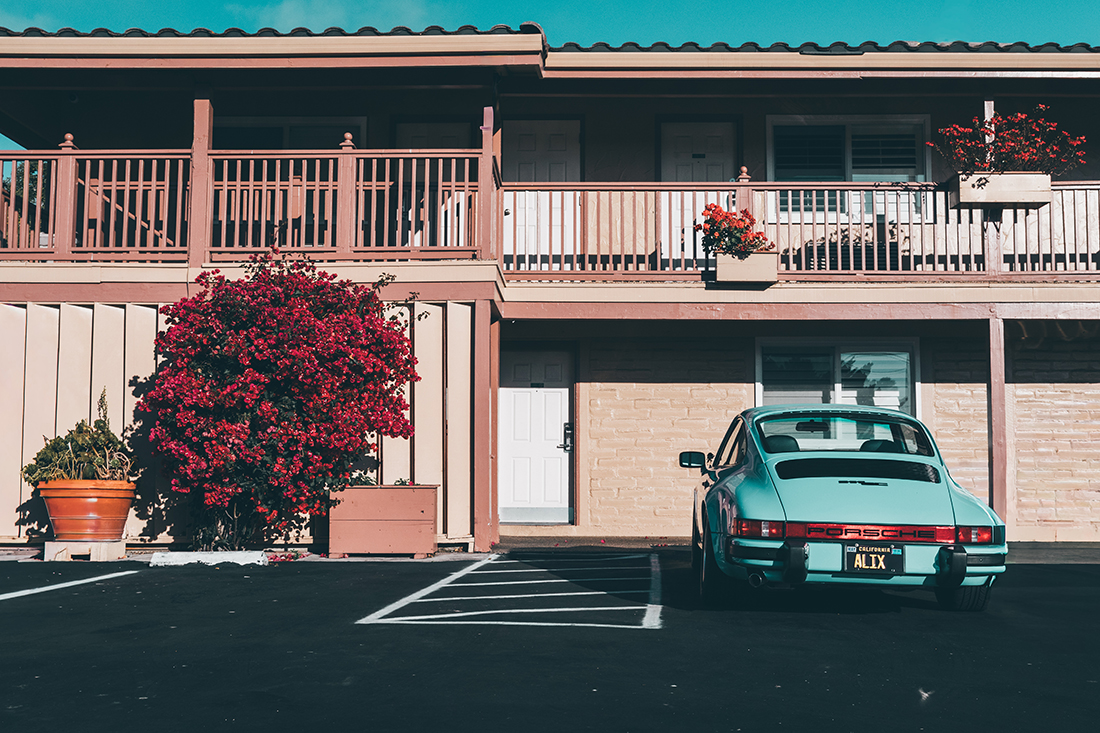
Urban and industrial settings for modern automotive shots
Cityscapes bring energy to automotive photography by blending sleek car designs with the rhythm of daily life. Morning light cutting through skyscrapers, reflections dancing on chrome, and the strong angles found on multi-level parking lot rooftops all create dynamic frames that keep the focus on the vehicle. Locations like abandoned warehouses, old gas stations, and gritty car washes add a layer of nostalgic texture that deepens the overall composition.
- Sunlit avenues: Boulevards lined with palm trees and vintage storefronts offer a relaxed West Coast feel, perfect for luxury models shot during the golden hour.
- Industrial hangars: Spacious steel interiors produce dramatic shadows and intense lighting, brilliantly highlighting the car’s contours and glossy finish.
- Urban gritty venues: Weathered signs, aged brickwork, and neon accents provide an authentic, edgy backdrop for a bold car photoshoot.
- Architectural interest: Sleek glass towers or historic brick buildings frame your subject with clean lines and interesting depth.
A multi-story parking lot is an excellent and accessible location if chosen wisely. The elevated views offer unique angles overlooking the city grid, and concrete barriers can naturally direct the viewer’s gaze toward the car. Plan your shoot for sunrise or sunset to master the lighting and avoid crowds.
Natural landscapes that complement vehicle aesthetics
Scenic natural environments enhance automotive photography by placing machines within vast, atmospheric settings. Winding mountain passes offer breathtaking vistas, coastal highways juxtapose a car’s vibrant color with the blue sea, and desert flats provide a minimalist canvas that emphasizes bold lines and reflections. Snow-covered fields or frozen lakes create a stark contrast that makes a vivid sports car truly stand out.
- Mountain horizons: Winding roads through high-altitude passes offer dramatic skyline backdrops and a sense of adventure.
- Coastal settings: Roads along cliffs and sandy beaches introduce a feel of relaxed luxury, perfectly suited for convertibles and classic cars.
- Arctic environments: Pure white snow dramatically increases color contrast, making every curve and reflection on the bodywork pop.
- Desert landscapes: Gentle dunes and endless highways emphasize the car’s form and texture, suggesting a journey through challenging terrain.
If you have limited time with a rare vintage car at a show or museum, come prepared with a clear shot list. Identify your preferred angles, the best lighting conditions, and key design details to photograph before your time runs out. This focused approach ensures you leave with a complete portfolio of car photography ready to share.
Seasonal elements and weather for creative backdrops
Weather can transform a standard car photo into a masterpiece. Rain-slicked streets multiply the glow of neon signs through gorgeous reflections, while morning dew adds a delicate sparkle to the car’s surfaces. Fresh snow creates a pristine, minimalist stage that isolates the vehicle, and autumn leaves blanket the scene in warm, rich tones that glow beautifully during the golden hour.
Mastering the technical side of your camera allows you to realize your creative vision with consistent results, no matter how much the conditions shift. Explore expert tips for dynamic car photography that are grounded in the science of light, optics, and sensors. This knowledge helps you transform theory into stunning car photo artistry, celebrating advanced motion blur techniques and precise camera settings.
Advanced Motion Techniques and Camera Settings Mastery
Dynamic automotive imagery truly comes to life when the vehicle remains tack-sharp against a background that melts into a beautiful, expressive motion blur. Panning with shutter speeds between 1/60–1/125 s lets you track a fast-moving vehicle along the road, keeping it sharply in focus while the urban or natural background streaks by for a dramatic composition. For night sessions, longer exposures of 5–30 seconds on a tripod capture glowing light trails, turning an ordinary road into a vibrant river of energy.
Panning and Motion Blur for Dynamic Car Photography
To capture a genuine sense of raw speed, position yourself parallel to the driving path. Smoothly follow the vehicle’s pace through your viewfinder as you press the shutter. This steady panning technique keeps the car itself razor-sharp while allowing the surrounding scenery to blur into artistic streaks of motion, powerfully amplifying the feeling of velocity in your car photography. Practice this rhythm until the camera movement becomes effortless and second nature.
- Panning execution: Follow the vehicle’s motion smoothly at 1/60-1/125 s, maintaining a constant focus point throughout the entire camera movement.
- Light trail photography: Secure your camera on a sturdy tripod, select a long exposure between 5-30 seconds, and capture the abstract patterns created by headlights and taillights streaking through the night.
- Artistic motion blur: Choose a very slow shutter speed (≤1/10 s) without panning to create an impressionistic effect that fills the frame with a sense of racing energy and dynamic composition.
| Technique | Shutter Speed | Best Applications |
| Panning | 1/60 – 1/125 s | Moving vehicles on roads, racing scenes, high-speed action |
| Light trails | 5–30 s | Night photography, urban driving, abstract motion |
| Artistic blur | ≤1/10 s | Racing energy, impressionistic effects, dynamic mood |
| Freeze motion | 1/500 s or faster | Wheel detail, action moments, sharp clarity |
Rig shooting involves mounting the camera on a parallel platform or a chase vehicle, which keeps your distance from the subject constant while the road and background blur dramatically. Although this rig method requires specialized equipment, it delivers a level of motion blur that’s nearly impossible to achieve with handheld panning alone. It produces professional-grade car photography that perfectly highlights the sleek, beautiful lines of a classic car.
Optimal Camera Settings for Sharpness and Clarity
Choose your camera settings to carefully balance depth of field, noise, and shutter speed based on your creative goals. Shooting in RAW format provides maximum flexibility in post-production, allowing for thoughtful tonal adjustments that reveal texture without losing subtle gradients. A moderate aperture around f/5.6-f/8 will keep the entire vehicle crisp, while a wider aperture like f/1.8-f/2.8 is perfect for low light, as it allows for a faster shutter speed to freeze fine wheel detail.
- Prime lenses: 50-85 mm optics with aspherical elements minimize distortion and beautifully highlight the iconic design cues of a classic car.
- Mirror lock-up: Use electronic front-curtain shutter or mechanical lock-up to eliminate internal camera vibration during long exposures or high-resolution car photo sessions.
- ISO management: Increase your ISO sensitivity just enough to maintain a safe shutter speed. This preserves crucial detail while avoiding excessive noise, especially in challenging night scenes.
A sturdy tripod, remote release, and electronic timer are indispensable tips for achieving stability in low light and night conditions, preventing any unwanted camera motion that can soften fine detail. When shooting handheld, remember the 1/focal-length rule to minimize shake, and fine-tune your camera settings to ensure sharpness without sacrificing the thrilling motion blur that defines compelling automotive imagery.
Frequently Asked Questions
What camera settings produce the sharpest car photos in low light conditions?
To capture sharp car photos under low light conditions, carefully adjust your camera settings. Opt for an aperture between f/5.6 and f/8, set your ISO in the range of 400 to 1600, and always shoot in RAW for the best results. Stabilize your camera using a tripod, engage mirror lock-up to reduce vibrations, and use a wide-angle lens to help keep the entire classic car in sharp focus.
How should I position lighting to emphasize a vehicle’s sculptural lines and design details?
Position your main lighting source at about a 45-degree angle to the vehicle. This creates sculptural shadows that accentuate every curve without making the subject look flat. For the best effect, schedule your shoot during the golden hour at sunset or sunrise; the warm, angled light enriches the paint and gives the background a soft, amber glow. Enhance your automotive photography with a reflector for subtle fill light, a large diffuser to soften any harsh hotspots, and a polarizing filter to eliminate unwanted glare.
What composition strategies create the most compelling car photos for gallery display?
Employ dynamic composition strategies to create visually stunning images. Start by positioning your camera about 30 degrees below eye level to capture powerful, low angles that enhance the vehicle’s presence. For a balanced composition, place the car off-center and use negative space to draw the eye. Keep the background uncluttered so logos and intricate details stand out. Add depth to your car photo by framing the shot with nearby trees or architectural columns, and create a diverse portfolio by mixing shots from various perspectives, including three-quarter views, silhouettes, and wider environmental scenes.

Sorry, the comment form is closed at this time.