

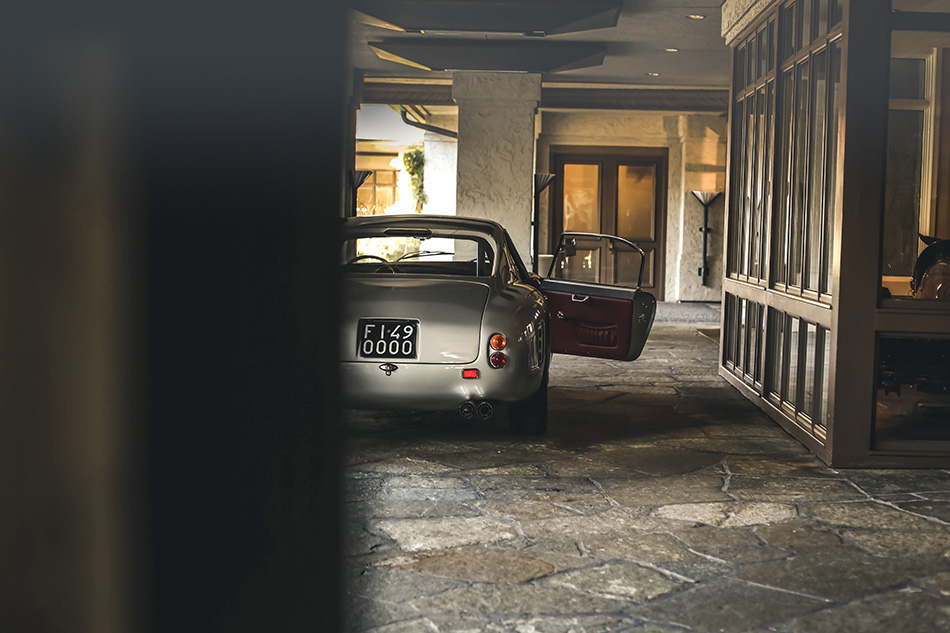
Limited edition prints can hold their value, but nobody can promise that they will rise. A print is worth what the next collector will pay, and that depends on the photographer, the size of the edition, the condition of the piece and the paperwork that comes with it. Here is how retired editions, resale and insurance really work, so you can buy with clear eyes.
What decides whether limited edition prints gain value
First of all, it helps to separate two ideas that often get mixed up: scarcity and demand. Scarcity means fewer copies exist. Demand means that people want those copies. A limited edition print needs both. If an edition is tiny but nobody is looking for the image, the number alone does not create value. In contrast, a photograph that people love and that has a capped edition gives the market a reason to pay more over time.
Four factors do most of the work. The first is the photographer and the body of work behind the image. The second is the edition size: a print numbered within a small run is simply easier to defend as rare than one drawn from a very large run. The third is condition, because a scratched or sun-faded piece loses appeal quickly. The fourth is documentation: a numbered certificate and an invoice show that the print is what it claims to be. Because these factors are mostly in your hands once you own the piece, the last two are worth your attention from day one.
What a retired edition changes
An edition is retired when the last number has been sold. From that day, no new copies of that image exist in that edition. For a collector, this is the moment when the print becomes something that can only be found second-hand. In other words, supply stops growing, and the only way to own the image is to buy it from someone who already has it.
However, retirement does not guarantee a price jump. It simply closes the primary market. What happens next depends on how many people still want the image. A retired edition of a popular subject may attract interest, while a retired edition of a niche subject may sit quietly. That is why we describe the mechanism rather than the outcome. If you want to see how numbering and certificates work in practice, our guide to what “limited edition” really means covers the numbering side in detail.
Resale: what to expect from limited edition prints
Resale is the part where it pays to be realistic. Decorative photography prints, including car photography, trade on a much thinner secondary market than paintings or the best-known gallery photographs. Buyers are fewer, and they usually pay for the image and the paperwork, not for a brand name alone. As a result, many owners keep their prints for the pleasure of the wall and treat any later sale as a bonus rather than a plan.
That said, a few habits make a later sale easier. Keep the original invoice, the certificate and the edition number together. Keep the print in good condition, away from direct sunlight and humidity, as we explain in our care guide for aluminium, plexiglas and canvas. Finally, keep the original packaging if you can, since a safe transfer matters to a future buyer. None of this guarantees a profit, but it removes the obstacles that most often lower what a print can fetch.
What helps value and what hurts it
| Factor | Helps | Hurts |
|---|---|---|
| Edition | A capped, numbered run with a certificate | A “limited” run with no clear number or limit |
| Condition | Clean surface, no fading, original frame or mounting | Scratches, sun damage, moisture marks |
| Paperwork | Invoice, certificate and edition number kept together | No proof of purchase or edition |
| Subject | An image with a loyal audience | An image few collectors search for |
| Expectations | Buying for the wall, selling is optional | Buying purely as a financial bet |
Insurance: how to protect a limited edition print
Insurance is where documentation proves its worth. Most home insurance policies cover your belongings in general terms, but they may set a limit per item or ask you to list valuables separately. Therefore, the first step is simple: ask your insurer how artwork is treated under your policy and from what value an item needs to be declared. Rules differ from one insurer and one country to another, so a short call is better than an assumption.
Once you know the rules, gather what an insurer or appraiser will ask for. A dated invoice shows what you paid. A numbered certificate shows which copy you own. A few clear photos of the print, taken after it is hung, show its condition and size. For high-value pieces, an independent appraisal can set a declared value. Also, remember that insurance during delivery is a separate matter: our guide to shipping a large fine art print explains how prints travel packed and insured.
How to buy limited edition prints with value in mind
If scarcity matters to you, start by reading the edition information on the product page before you buy, and check which formats and finishes are offered. Then choose an image you would be happy to look at every day, because that is the one return no market can take away. For example, our Ferrari 250 GT photograph and our limited-edition Porsche 911 GT3 RS print both start from €78, so you can begin a collection without a large outlay.
In addition, buying a few pieces you truly like usually works better than chasing one “investment” print. You can browse every numbered, signed photograph in our limited edition collection, and if you are choosing for someone else, our fine art gifts by budget guide shows what each price level buys.
Frequently asked questions about limited edition prints
Do limited edition prints always go up in value?
No. Some hold their value, some sell for less than their original price, and many stay on the wall for good. Value depends on demand, condition and documentation, so it is wise to buy a print because you love it and treat any later gain as a bonus, not a promise.
Can I resell a limited edition print?
Yes, you can sell a print you own. Keep the invoice, the certificate and the edition number, and keep the piece in good condition. Prices vary a lot with the image and the market at the time, so it is safest not to count on a particular amount.
Should I insure a limited edition print?
It is worth checking. Ask your home insurer how artwork is covered and whether items above a certain value must be declared. Keep the invoice, the certificate and photos of the print so that you can prove what you own if you ever need to make a claim.
What happens when an edition is retired?
When the last number is sold, no new copies of that edition are produced. The image can then only be found second-hand. That makes the print scarcer, but it does not guarantee a higher price, because demand still decides what a buyer will pay.