

Every Cars and Roses certificate carries a number like “14/75,” and that fraction quietly answers three questions at once: how many prints of this photograph will ever exist, where yours falls in the order they sold, and what happens the day the last one ships. Here’s how a limited edition actually works, past the marketing shorthand.
The number on your print: how it’s assigned
A common assumption is that the number reflects the order prints came off some production line. It doesn’t. It reflects the order prints were purchased. The first collector to buy a given photograph receives print number 1 of that edition, the second receives number 2, and so on until the edition — usually capped at 75 or 100 depending on the image — is fully sold. Nothing sits pre-printed in a warehouse: each piece is produced to order on brushed aluminium, plexiglas or canvas, then numbered at the point of shipping. That made-to-order process, which we walk through in Behind the Print: How a Cars and Roses Photograph Is Made, is exactly what makes the number trustworthy — it tracks real sales, not inventory being cleared.
The Certificate of Authenticity: what’s actually on it
Every limited edition photograph ships with a signed certificate of authenticity. It states the subject photographed, the approximate location and date of the shoot, the edition number (say, 14/75), the total size of that edition, and a unique reference that lets us look the piece up in our internal registry — useful for insurance, resale, or simply settling a friendly argument at a dinner party. This isn’t a decorative extra tucked into the box. It’s the record that your copy belongs to a fixed, finite set, and that no other print bearing that exact number exists or ever will.
That registry matters outside the living room, too. If you insure your home’s contents, a dated, numbered certificate is far stronger proof of value than a plain receipt when an appraiser asks what a piece is worth. And if you resell or pass a print down the line years later, a buyer can send us the edition number and we’ll confirm, straight from our records, that it matches the original — not an unauthorized copy.
Available, nearly sold out, retired: the three states of an edition
| Edition status | What it means | What you can do |
|---|---|---|
| Available | Most numbers are still open across every size and finish. | Choose freely, and ask before checkout which number your order would receive. |
| Nearly sold out | Only a handful of numbers remain across the whole run, in any format. | Order soon if a specific size matters to you — the last numbers often go to the largest formats first. |
| Retired / sold out | All 75 or 100 prints have found a home. The photograph is no longer offered for sale. | Browse a related piece in our limited edition collection, or contact us in the rare case a confirmed order falls through. |
What happens once an edition sells out
Once the last number sells, the edition is retired for good — we never reprint an identical piece at the same size and finish once the count is reached, no matter how often we’re asked. That’s the line between a genuine limited edition and a poster that gets reprinted on demand. An iconic image can occasionally return years later in a different form (a new crop, a new treatment, its own fresh edition with its own number and its own total), but never as a reproduction of the run that was retired. If you’ve been eyeing a subject that’s getting close to sold out, it’s worth asking us directly how many numbers remain rather than waiting — we’d rather tell you honestly that a size is nearly gone than let you miss it by a day. In practice, that means print 41/75 hanging on your wall today will always remain one of only 75 copies of that exact photograph that were ever made — the same logic collectors apply to more classic pieces like our Porsche 911 Turbo lineage, where a few generations are already edging toward sold out.
Does the number depend on the size or finish you choose?
This is the question we get asked most, and the answer surprises people: no. The edition is limited per photograph, not per format. Whether you order a 16x24in brushed aluminium print or a 40x60in canvas of the same image, your piece draws from the same running count. The material you choose — aluminium, plexiglas or canvas, as we cover in our care guide — shapes the look and feel on your wall, not the rarity of your copy. Plenty of collectors buy the same series in different sizes to furnish more than one room without duplicating a size, knowing the edition total stays fixed no matter which format they pick.
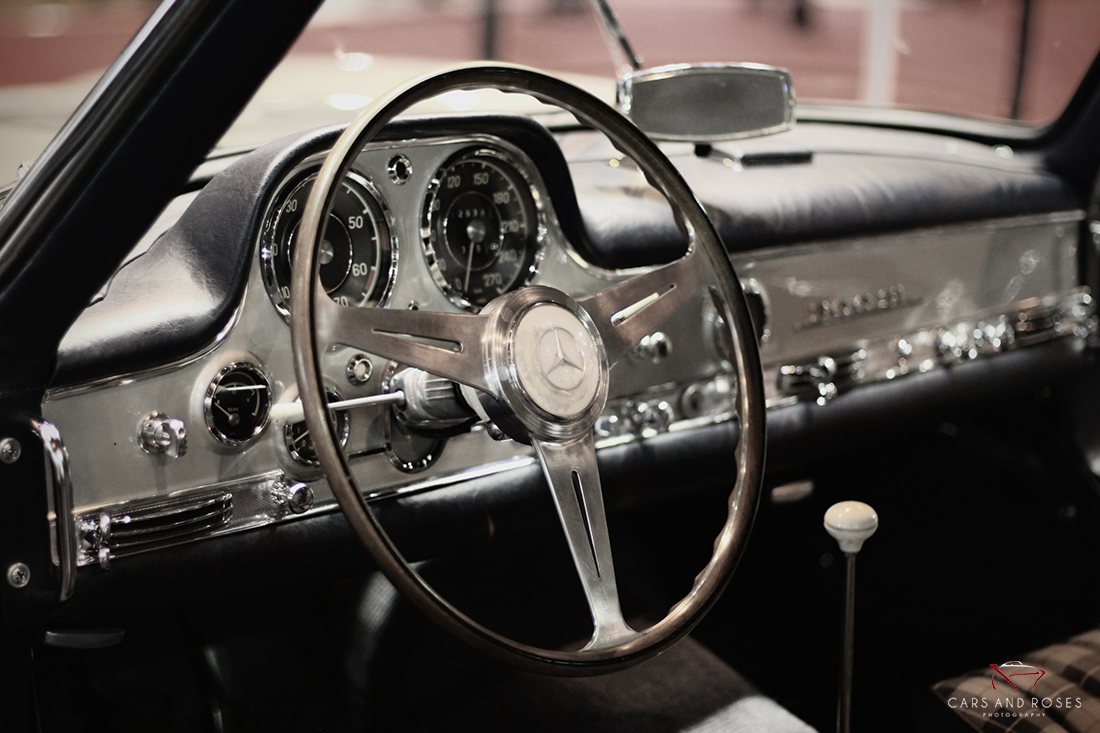
Our Mercedes 300 SL print is a good example: the same photograph is available in several sizes and finishes, but they all draw from one single edition count, from the first number sold to the last. It’s also why editions built around especially sought-after subjects, like our Nordic landscape photography in limited edition, tend to run down faster in the larger sizes: collectors buying a statement piece for a main wall reach for the biggest format first, burning through more of the shared count in one purchase.
FAQ
What does a number like “14/75” mean?
The first number is where your print falls in the purchase order within that edition; the second is the total number of prints that will ever exist of that photograph. You own the 14th print sold out of a fixed total of 75.
Does the edition number affect the print’s value?
Price doesn’t change based on which number you receive — every print in an edition sells at the same price regardless of order, from number 1 to the last one sold. Once the edition sells out, though, the scarcity becomes permanent, which can affect resale value over time.
Can I request a specific number?
Numbers follow the strict order of purchase and can’t be reserved in advance or swapped once assigned. We can, on request before you check out, tell you which number your order would currently receive, so there are no surprises when the certificate arrives with the print.
What if the size I want belongs to an edition that’s sold out?
If the whole edition is retired, no size remains available, regardless of the format you’re after — the count is shared across every size and finish of that photograph, not tracked separately per size.