

Creating a stunning gallery wall can transform any room into a space that reflects your unique style and artistic vision. This guide explores gallery wall layout ideas for every area, offering practical strategies for frame sizes, spacing, and arrangement. You’ll learn how to plan and install a curated gallery wall that captivates viewers and elevates your decor seamlessly.
Gallery wall layout design rules for living rooms
Building a strong foundation for your wall layout begins with understanding core design principles that balance visual weight. A successful gallery wall layout anchors a room, creating an inviting focal point without overwhelming the space. These layout ideas ensure your display looks polished, intentional, and professionally designed.
How to anchor and scale your gallery wall
Every great layout begins with selecting a central anchor piece to establish the composition’s visual hierarchy. When exploring gallery wall layout ideas for living room settings, position this anchor slightly off-center. Building outward from this point guides the viewer’s focus across the gallery wall layout smoothly.
The two-thirds rule ensures proportional harmony between your artwork and the furniture beneath it. This guideline creates visual balance without making the art appear too small for the wall space. For example, above an eight-foot sofa, aim for wall layout ideas spanning approximately five to six feet wide.
Spacing, eye level, and furniture alignment
Precise spacing distinguishes a stunning gallery wall layout design from a disorganized collection of pictures. Maintain consistent two-inch gaps between varying frame sizes to create a cohesive and polished appearance. Align the center of your entire arrangement at average eye level to help viewers engage naturally with the art.
Position the lower edge of your gallery wall about six to eight inches above sofas or consoles. This proximity effectively links the artwork to your furnishings, creating a beautifully unified design. Proper alignment anchors the pieces to your furniture rather than leaving them floating independently on the wall.
Testing your layout before hanging
Always avoid drilling nail holes until you’ve properly tested and previewed your arrangement firsthand. Use painter’s tape or paper templates to outline each frame’s position directly on your wall. This low-risk method helps you visualize spacing and balance, ensuring the final gallery wall layout looks perfectly cohesive.
Alternatively, create paper cutouts matching your specific frame sizes and organize them on the floor. Take a quick photo of this floor arrangement as a reliable reference guide during the installation process. This methodical plan prevents costly mistakes and ensures your finished gallery wall truly matches your vision.
Popular Gallery Wall Style and Layout Inspiration
Understanding different layout options helps you choose a design that complements your room’s decor and proportions. Each gallery wall style offers unique advantages, from clean grid layouts to more organic arrangements. Browse through gallery wall layout ideas on Pinterest to discover which layout ideas resonate with your personal style.
Grid, Salon, and Triptych Arrangements Explained
When exploring gallery wall layout ideas, you’ll frequently notice grid designs for their sleek appearance. This arrangement uses identical frame sizes aligned in neat rows with consistent spacing. Such a structured wall layout introduces a feeling of calm and order to any busy room or hallway.
- Grid layout: Uniform frames arranged in straight rows and columns create a formal, modern display ideal for minimalist spaces.
- Salon-style gallery wall: Combining varied frames and finishes into a loose shape results in an eclectic collection of photos and artwork.
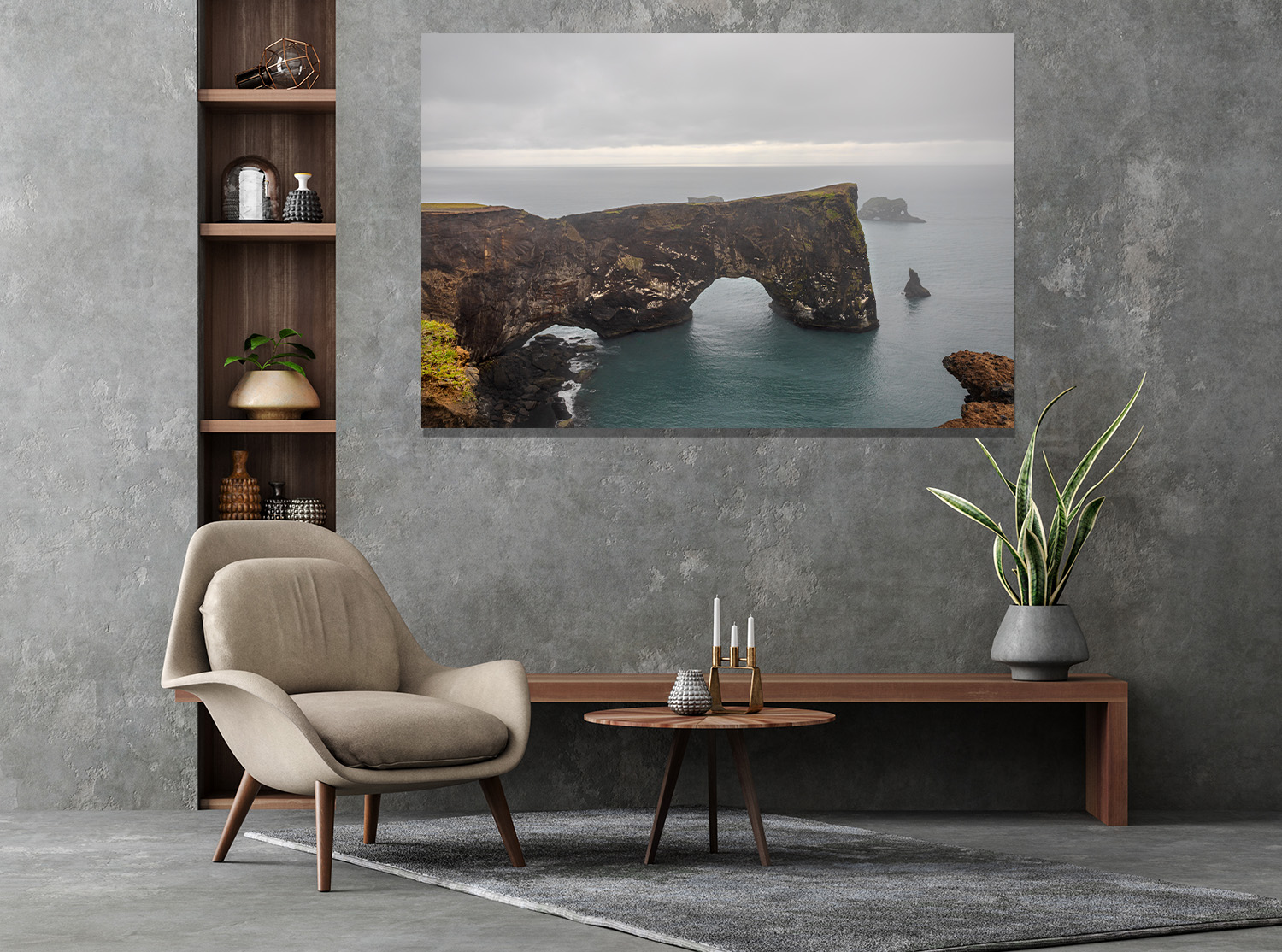
- Triptych arrangement: A single image divided across three panels forms a dramatic focal point, particularly effective with landscape photography.
- Triangular cluster: Three pieces centered around a large anchor piece create a compact gallery wall layout, perfect for smaller areas.
A salon-style gallery wall celebrates diversity, bringing together different frames within a general oval or rectangular boundary. This flexible approach allows you to blend family photographs, vintage art, and personal mementos freely. The final display naturally tells your unique story through a thoughtfully curated gallery wall.
| Layout Style | Frame Variety | Best For | Visual Effect |
| Grid | Uniform sizes | Modern, minimalist spaces | Formal, organized, calm |
| Salon | Mixed sizes and finishes | Living rooms, hallways | Eclectic, personal, dynamic |
| Triptych | Three matching or related pieces | Statement focal points | Panoramic, impactful, cohesive |
| Triangular | Three varied sizes | Compact sections, accent areas | Balanced, compact, striking |
| Asymmetrical | Varied sizes scattered | Contemporary, eclectic rooms | Movement, visual interest, dynamic |
Asymmetrical and Narrative Layouts for Any Room
Asymmetrical designs provide excellent gallery wall layout inspiration if you prefer visual movement without rigid structure. Start by placing a large anchor print slightly off-center, then freely arrange various frame sizes around it. Mixing different shapes and dimensions creates a dynamic arrangement that naturally draws the viewer’s attention across the wall.
Narrative layouts convey a visual story by arranging related images in a clean horizontal sequence. This thematic layout adds meaningful depth, transforming your gallery wall into an engaging timeline. Even spacing improves the storytelling while maintaining the aesthetic appeal of a carefully curated gallery wall.
Gallery Wall Ideas with Sizes for Every Space
Sizing your artwork to complement your wall dimensions is essential for achieving a cohesive style and ensuring your arrangement looks perfectly proportional. Understanding how your wall’s width influences the number of pieces you can include helps you create a balanced arrangement that fills the space effectively. Below, we explore a range of gallery wall layout ideas with sizes suited to various room types and wall measurements.
Size Combinations and Wall Width Guidelines
Thoughtful sizing is key to making your gallery wall layout ideas impactful within your available wall space. Always begin by carefully planning your wall layout to ensure it complements the horizontal width. While smaller walls are ideal for three-piece arrangements, more expansive walls can comfortably support up to twelve frames for a truly grand display.
- Compact Galleries (6–8 ft): Three items arranged in a triangular cluster are perfect for narrow hallways. This creates visual appeal without overcrowding the area.
- Standard Galleries (8–12 ft): Try four to five pieces in a grid pattern above a sofa or bed. This popular choice for living rooms adds wonderful visual interest.
- Extended Galleries (12–16 ft): Six to eight frames arranged in multiple rows work beautifully on wide bedroom walls. They offer substantial coverage while maintaining perfect proportions.
- Feature Galleries (16+ ft): Eight to twelve pieces mixed together suit large statement walls. These are ideal for commercial settings that call for dramatic flair.
A reliable approach to building a gallery wall layout involves combining one large anchor print with medium and smaller accents. This three-tier sizing method adds visual depth and keeps your wall layout ideas from feeling monotonous. The variety naturally guides the eye and helps your gallery wall ideas feel both intentional and harmonious.
On extra-wide surfaces, large artwork helps maintain a strong visual presence and prevents individual pieces from feeling lost. Small art on massive walls can disrupt your overall arrangement, so prioritize substantial dimensions for these feature areas. Exploring different layout ideas will help you find the perfect scale for more expansive rooms.
Small Gallery Wall Tips for Compact Spaces
Creating small gallery wall layout ideas for tight spaces requires thoughtful planning to maximize impact within limited boundaries. Stacking two or three frames vertically draws the eye upwardideal for narrow hallways and tight corners. You can also experiment with gallery wall tips, such as adding generous matting, to achieve a highly curated look.
- Vertical Stacking: Arrange two or three frames vertically on tall, narrow surfaces. This draws attention upward without occupying too much horizontal space.
- Closed-Set Arrangements: Position frames closely together but use wide matting to define gaps. This builds an intentional composition that avoids feeling cluttered.
- Easy-Swap Frames: Use lightweight, adhesive-mounted prints in kids’rooms or nurseries. This allows the artwork to evolve seamlessly without damaging the wall.
- Oversized Frame Selection: Opt for larger frames or add thick mats around smaller images. This ensures your prints look substantial and thoughtfully placed.
In a nursery, gallery wall layout ideas might blend small playful illustrations with medium family photos using easy-swap frames. This flexible approach avoids wall damage while adapting to your child’s changing interests and developmental stages. Consider adding lightweight aluminum prints with keyhole mounts to update your gallery wall effortlessly each season.
Choosing oversized frames or wide mats helps your art feel substantial on tall walls. This prevents visual imbalance and keeps smaller pieces from fading into the background. Matting acts as an anchor, making smaller prints feel deliberate and well-integrated into your overall style.
Materials, Lighting, and Finishing Touches
Your choice of materials significantly influences the character of your art and how it interacts with light. Matte canvases bring warmth, while aluminum dibond adds a crisp, modern aesthetic to your space. Each material enhances your display in unique ways, contributing to a customized look when selected with care.
Mixing various aluminum finishes across your pieces introduces rich textural variety and visual elegance. Incorporating adjustable LED lighting behind your frames highlights vibrant colors and transforms your arrangement into a striking focal point. This lighting technique instantly elevates your layout, turning a simple collection into something truly captivating.
Frequently Asked Questions
What is the 2/3 rule for gallery walls?
The 2/3 rule recommends that your gallery wall should be approximately two-thirds the width of the furniture directly beneath it. This simple guideline ensures proper visual proportion, preventing your artwork from appearing either too small or too dominant for the available wall space.
For instance, if your sofa is eight feet wide, your art arrangement should ideally span about five to six feet across. This versatile principle works wonderfully for any gallery wall layout, whether you’re aiming for a structured grid or a more casual salon-style look.
What spacing and height rules should I follow for hanging a gallery wall?
Maintain a consistent two-inch gap between each frame to achieve a unified and professionally finished appearance for your wall layout. The center of your display should also be hung approximately 57 to 60 inches above the floor to align with the average eye level.
This height is regarded as the most natural and comfortable viewing level. Moreover, the bottom edge should be positioned six to eight inches above any nearby furniture. These guidelines are highly effective for creating a balanced and appealing gallery wall layout.
How do I create a gallery wall layout without drilling holes in the walls?
To create a gallery wall without drilling, begin by crafting kraft paper templates that match the exact dimensions of your frames. Lay these templates out on the floor to experiment with and finalize your preferred layout, and take a photo to use as a guide during installation.
Then, use painter’s tape to temporarily affix the templates to the wall, allowing you to visualize the arrangement and spacing before making any permanent decisions. For a completely damage-free solution, opt for lightweight adhesive strips or specialized picture hanging hooks designed to avoid wall damage.
Read also: Black & White Photography Decor — Choose the right print size — Discover our prints