


Modern living room wall art has the power to transform any space by creating a striking focal point and beautifully expressing your unique personal style. According to interior design principles, art plays an essential role in shaping the mood of a room. This guide will help you learn how to choose and display room wall art that perfectly complements a contemporary interior.
Best canvas wall art styles for a modern living room
Canvas wall art is a cornerstone of modern living room home decor, celebrated for its versatile and often frameless aesthetic. Our collection includes stunning landscape wall art that adds incredible depth and perspective to any living room wall. The soft, matte surface provides a warm finish that beautifully enhances the vibrancy of fade-resistant inks.
Why canvas wall art defines modern home decor
A modern living room wall art canvas makes a huge visual impact with its clean, gallery-style finish. It offers a sleek look by completely eliminating the need for a traditional frame, all while maintaining excellent durability. This style is a perfect match for contemporary design, emphasizing simplicity and clean lines without unnecessary visual distractions.
- Gallery-wrapped finish: The canvas is stretched seamlessly over wooden bars for a smooth, frameless appearance. This removes bulkiness and helps reduce visual clutter in minimalist spaces.
- Archival ink technology: High-quality, fade-resistant inks ensure that your print maintains its fine details and rich color saturation for many years.
- Textured matte surface: This material diffuses light softly to prevent glare, offering a warm ambiance while keeping the photographic clarity fully intact.
The subject of your art significantly influences your overall living room décor. For example, sleek black-and-white car photography delivers a bold contrast, while calming landscape scenes introduce a sense of natural tranquility. Limited edition wall art pieces also add a touch of exclusivity and collector appeal, with each print being authenticated for lasting value.
Choosing the right painting or print finish for your walls
Beyond traditional canvas, there are several finish options that can elevate your space. Metal wall art pieces, for instance, offer a sleek and reflective surface that suits industrial or contemporary settings. Glossy acrylic finishes, on the other hand, intensify color depth and help a vibrant painting truly stand out.
- Aluminum Dibond metal prints: These lightweight art pieces add a modern, sharp edge. Their reflective quality amplifies color saturation and complements sleek furniture effortlessly.
- Acrylic panels with floating mounts: These create a luminous focal point with a glass-like finish. They enhance texture and reinforce a clean, minimalist aesthetic.
- Glossy finish surfaces: High-gloss treatments are excellent for intensifying color depth, making them ideal for bright, naturally lit rooms.
Selecting the right frame is also key; neutral or dark matte finishes often work best in modern interiors. Brushed metal frames can add a touch of sophistication, while glossy frames may suit warmer color palettes. Using high-quality materials and UV-resistant inks helps protect these art pieces from environmental wear over time.
Geometric and nature-inspired wall décor for contemporary spaces
Geometric patterns in monochrome tones can beautifully complement sleek, modern design themes. On the other hand, nature-inspired wall décor offers a refreshing contrast. Bold, iconic sceneslike dramatic Iceland panoramascan serve as powerful visual anchors in a room. By carefully coordinating colorssuch as matching mountain tones with your existing furnishingsyou can create a harmonious and unified look. This thoughtful approach turns individual wall art pieces into cohesive elements that tie the entire space together.
Sizing and Placement of Large Wall Décor in Living Rooms
Getting the sizing right for your wall hanging décor creates visual harmony and ensures comfortable viewing. Well-proportioned large modern living room wall art can instantly elevate your space when thoughtfully matched with your furniture. Properly scaled pieces ensure that small prints don’t get lost while oversized artwork remains striking without overwhelming the room.
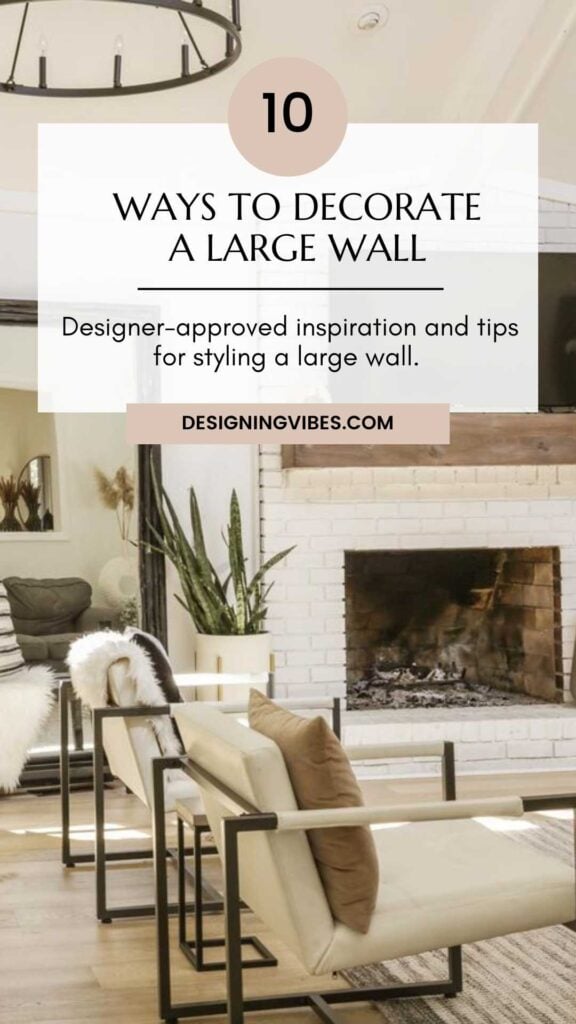
How Large Should Wall Art Be for a Living Room?
Choosing the right size for large modern living room wall art becomes straightforward when you follow the classic two-thirds rule. Aim for your print to cover about 60 to 75 percent of your sofa’s width for ideal visual balance. In open-concept areas, substantial 40×60 inch pieces fill the living room wall beautifully without feeling crowded. Tall vertical formats also work exceptionally well in rooms with low ceilings, creating a smart illusion of added height.
| Room Type | Recommended Size | Placement Height | Viewing Distance |
| Standard living room | 30×40″ to 40×60″ | 57-60″ from floor | 2-3 meters |
| Open-concept space | 40×60″ to 50×75″ | 57-60″ from floor | 3-4 meters |
| Low-ceiling room | Vertical 24×36″ to 30×45″ | 57-60″ from floor | 2-2.5 meters |
| Above sectional sofa | Panoramic 20×60″ | 57-60″ from floor | 3-4 meters |
For the best effect, hang your wall art so the center sits at eye level, creating a natural focal point above your sofa. These large pieces are best viewed from a distance of about two to three meters. Our collection features high‑resolution Glacier National Park photography captured in stunning detail, offering premium national park wall art perfect for minimalist spaces. Each piece showcases iconic vistas like Lake McDonald in gorgeous panoramic layouts, ensuring a sophisticated, nature-inspired aesthetic.
Framed vs Frameless Wall Décor Above the Sofa
When exploring modern living room wall decor ideas, it’s important to balance your personal style with practical durability. A frameless stretched canvas delivers a sleek, minimalist look that blends seamlessly into your space without visual clutter. Alternatively, a framed print in a neutral black or crisp white frame adds a touch of refined sophistication. These finishes are particularly effective for creating a cohesive gallery wall with a unified visual theme.
A frame provides valuable protection for your artwork, safeguarding the edges during handling and installation. Black frames elegantly accentuate the photography, while brushed metal options introduce a subtle contemporary design flair. Frameless wall décor, on the other hand, offers a lighter, more open feel, making it ideal for uncluttered spaces where the large image should command all the attention.
A gallery-wrapped canvas provides the clean, frameless aesthetic while still protecting the edges, serving as a practical hybrid. This approach eliminates the need for traditional framing and simplifies the hanging process. Crisp white walls help maximize the visual impact of both framed and frameless contemporary pieces. Neutral backgrounds allow the vibrant colors to stand out and captivate attention without any distractions.
Lighting Strategies to Enhance Wall Art Displays
Thoughtful directional lighting can dramatically enhance your wall art by highlighting texture, color, and fine details. Position adjustable LED spotlights at a 30-degree angle to achieve museum-quality illumination without harsh glare. Warm light bulbs can transform a flat photograph into a dynamic visual experience. You’ll notice how the calming artwork subtly shifts in tone as natural daylight transitions into evening.
- Track lighting systems: Adjustable fixtures set at a 30-degree angle illuminate your artwork while minimizing shadows. Warm color temperatures beautifully enhance rich earth tones and intricate landscape details.
- Picture light fixtures: Dedicated lighting mounted directly above your framed pieces accentuates subtle photographic details. This creates a gallery-quality presentation that elevates the perception of color and texture in modern settings.
- LED strip integration: Adding subtle backlighting around the frame produces a floating effect and soft ambient room light. This reinforces your contemporary aesthetic while preventing bright glare on delicate print finishes.
The color temperature you choose significantly impacts how your living room wall art is perceived. Cool white bulbs perfectly complement stark black-and-white photography and crisp, cool-toned landscapes. Warm bulbs are far better at enhancing rich sunset palettes and natural earthy tones. Matte finishes are excellent for reducing glare, making them ideal for living rooms flooded with bright sunlight.
Avoid shining direct light straight onto textured surfaces, as this can create harsh, unflattering shadows. Angling your lights at 30 degrees minimizes reflections while showcasing the dimensional quality of your wall art. Dimmable LED systems offer the flexibility to adjust brightness, allowing you to match the room’s mood and ambient light levels. This lets you effortlessly transition the space from energetic to beautifully calming.
Modern Wall Design Ideas for a Stylish Art for Living Room
Contemporary spaces truly come to life when you thoughtfully curate and place your room wall art to reflect your unique personal style. Here, we’ll explore how to balance single statement pieces with beautiful gallery arrangements. The thoughtful selection of materials, lighting, and compelling modern wall art can profoundly elevate your living room wall with significant visual impact.
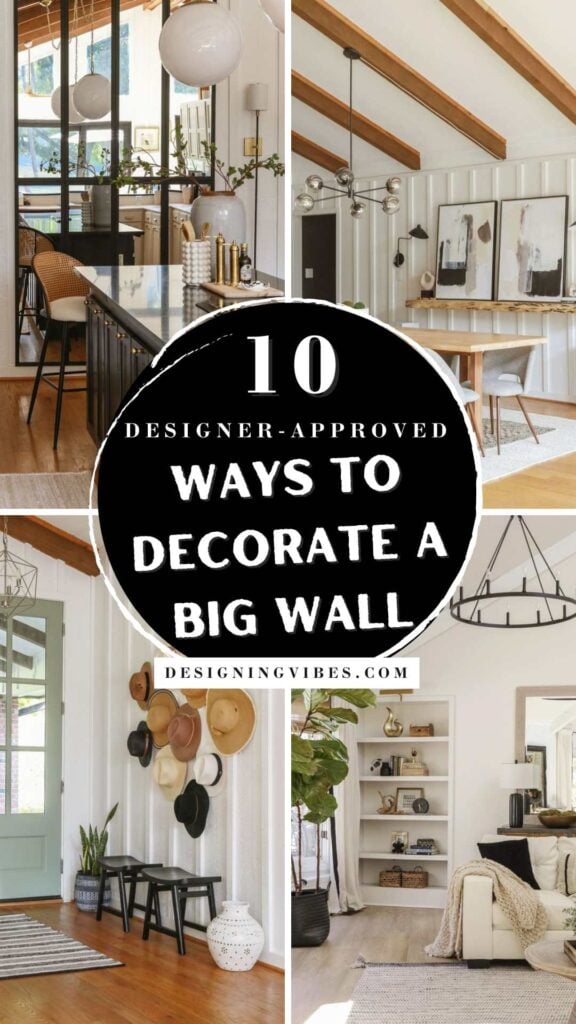
Simple Modern Wall Design with a Single Statement Piece
A compelling modern living room wall design achieves maximum visual impact by using a single, bold statement piece to create a minimalist, uncluttered look. A large 40×60 inch print, for example, effortlessly commands attention as a powerful focal point above your sofa. This minimalist approach is perfect for any contemporary design that values clean aesthetics and serene spaces.
- Centered Focal Composition: Placing a single statement piece at eye level immediately establishes a visual hierarchy. It naturally draws the eye and defines the primary story of your art for living room.
- Limited Edition Landscape Panoramas: Striking natural scenes, like panoramas of the Grand Canyon, work brilliantly as standalone focal elements. They feel visually complete on their own and require no additional wall décor.
- Black-and-White Automotive Photography: Iconic car images offer a sleek contrast and reinforce a modern, sophisticated aesthetic. These high-impact compositions communicate a sense of pure elegance and refinement.
- Negative Space Utilization: Surrounding a piece with white or neutral wall areas helps to amplify its visual weight. This creates breathing room that beautifully emphasizes the details of your art pieces.
Single statement pieces simplify the decision-making process and guarantee a cohesive look without any competing visual elements. One exceptional artwork often makes a stronger impression than several mediocre ones, making museum-quality presentations a worthwhile investment. This simple approach is also ideal for temporary setups where a more permanent wall art installation isn’t practical.
How to Build a Gallery Wall with Frame and Wall Décor
A successful modern living room wall design arrangement balances great aesthetic appeal with practical installation. A well-built gallery wall starts with an anchoring focal piece, then expands outward with complementary artwork. Mix various frame sizes with small gaps between them to create a cohesive and dynamic visual arrangement.
- Central Anchor Strategy: Position your largest piece in the center and then add smaller images around it. Keep the spacing consistent to maintain visual hierarchy and balanced proportions.
- Mixed Frame Finishes: Combine glossy, brushed metal, and matte black frames that share common undertones. This adds a lovely tactile variety and prevents the display from looking flat or monotonous.
- Related Imagery Grouping: Displaying series of landscapes or collections of classic photography helps maintain thematic cohesion. Varying the sizes and material formats adds wonderful depth and texture.
Always measure your wall space before finalizing any layout to ensure a perfect fit. Keep consistent, minimal margins between frames to preserve breathing space and create a refined living room wall art display. Triptych layouts can also be used to break large images into sections, adding intrigue without causing visual overwhelm.
Mixing Print Formats for a Cohesive Wall Décor Display
Diverse print materials can blend together beautifully when they are unified by consistent color undertones and themes. Canvas wraps offer a textured appeal that suits frameless contemporary aesthetics perfectly. Strategically mixing these finishes creates dimensional contrast and enhances visual interest across all your wall art pieces.
Abstract wall art featuring geometric patterns can coordinate effortlessly with landscape photography when they share a common color palette. This strategic alignment ensures your pieces look like an intentionally curated collection rather than a random assortment. Ultimately, it transforms your wall art set into a sophisticated design statement for your home.
Frequently Asked Questions
What size wall art is best for a living room?
A great guideline is to choose wall art that is roughly two-thirds the width of your sofa. This creates a balanced visual weight and ensures harmony in your room. For most living rooms, a print between 30×40 inches to 40×60 inches works beautifully.
Open-concept spaces often call for a larger format piece that fills the wall without appearing cluttered. Always hang your artwork centered at eye leveltypically 57 to 60 inches from the floor. Panoramic pieces make a striking statement above sectionals, while vertical formats can help low ceilings feel taller.
What art styles work best in a modern living room?
Minimalist black and white photography offers a sleek, contemporary vibe that complements clean-lined interiors. Landscape photography can also add depth and a sense of openness. Abstract geometric patterns in muted tones are another excellent choice, as they enhance the room without becoming visually distracting.
Limited edition landscapes from artists like Cars and Roses create stunning focal points with their exclusive imagery. Try to match your art to the room’s overall color palette to maintain visual cohesion. This allows for a serene contrast while coordinating cool mountain tones or warm sunset hues with your existing furniture.
How should I arrange multiple pieces of wall art in a living room?
Begin by centering a standout piece above your sofa to establish a strong focal point. You can then build out a cohesive gallery wall by adding complementary pieces of varying sizes. Keep a consistent spacing of about 5 to 6 centimeters around each frame to maintain visual harmony.
Experiment with mixing orientations and textures, but stick to a common color family to keep the look tied together. In smaller rooms, consider sticking to a single row or a simple three-piece cluster to avoid overwhelming the space. Always test your arrangement using paper templates before making any final placements.