


Mastering composition in landscape photography transforms ordinary scenes into captivating visual stories that engage the viewer. This comprehensive guide explores essential composition techniques and strategies to help you frame extraordinary outdoor images. How you arrange the main subject within the space of your frame can make or break a photograph. Explore composition tips from this hidden Icelandic landscape to discover how intentional placement creates a powerful sense of wonder. We’ll provide you with practical compositional guidelines to elevate your landscape photo work to a professional, gallery-ready standard.
How does the rule of thirds strengthen landscape composition?
The rule of thirds in landscape photography provides a balanced framework for positioning the most important elements in your shot. Visualize a grid over your viewfinder that divides the composition into nine equal sections. By placing key subjects along these lines or at their intersections, you achieve a natural balance that is instinctively pleasing. This approach helps you avoid a static, boring framing, instead introducing dynamic energy and breathing room into the scene.
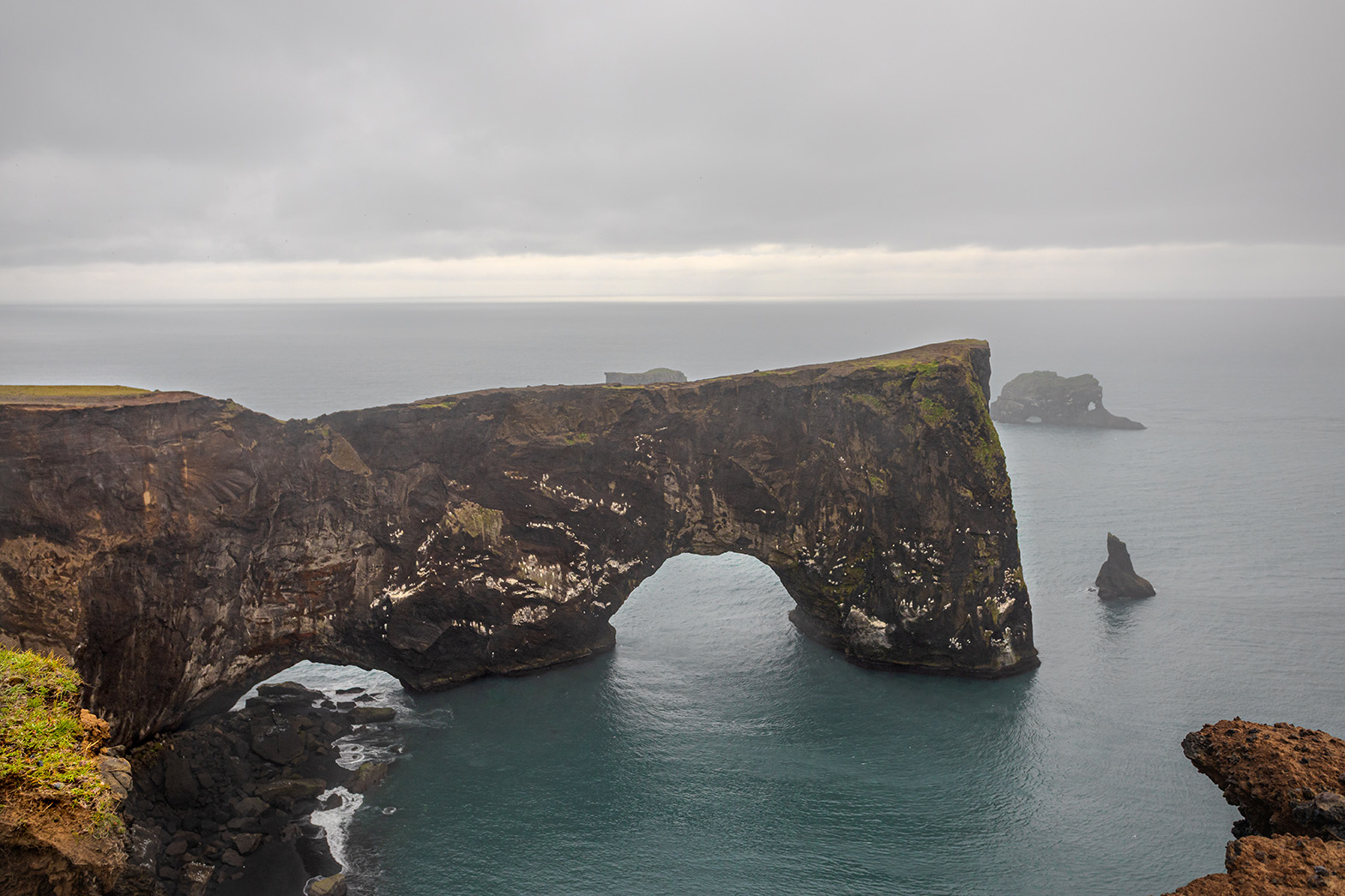
Positioning horizon lines for maximum visual impact
Horizon placement is a crucial decision that determines which part of your landscape will command the viewer’s attention. Positioning the horizon line on the lower third of your frame emphasizes a dramatic sky or interesting weather as the primary focus. Alternatively, placing it on the upper third gives prominence to foreground interest, such as water reflections or textured terrain. This deliberate use of the rule creates more engaging photographs by expertly directing the eye through the image.
- Lower-third positioning: Highlights sky drama and cloud formations while reducing the visual weight of the land below.
- Upper-third positioning: Showcases textures and compelling foreground interest, using the sky as a minimalist backdrop.
- Horizon avoidance: Avoid centering the horizon, as it typically results in a static composition that fails to guide the viewer.
- Margin consideration: Always leave some space around your main subject to allow for comfortable framing and final crop adjustments.
Studies confirm that audiences strongly prefer a landscape photo with the horizon placed on a third line rather than in the center. This preference solidifies the rule of thirds as a cornerstone of effective landscape photography composition. Experiment with different horizon positions on your next outing to see the difference for yourself. Compare the results to identify which specific placement creates the most powerful connection with your audience.
Placing focal points at intersection zones effectively
The points where the grid lines intersect are the most powerful spots to position your main subject in landscape photography. These four power points naturally attract the viewer’s gaze, creating a harmonious balance without feeling forced. Placing a distinctive tree, rock formation, or building at one of these intersections ensures it commands attention while feeling integrated into the scene. This technique guarantees your focal point serves as a strong anchor for the entire composition.
- Upper-left intersection: This zone promotes a strong natural eye movement and is highly favored in viewer studies.
- Lower-right intersection: This position creates dynamic balance, allowing secondary elements to fill the remaining space effectively.
- Positive element placement: Position bright, well-lit, or colorful features at these intersections to maximize their visual power.
- Negative element avoidance: Keep distracting or cluttered objects away from these key zones to maintain a strong overall composition.
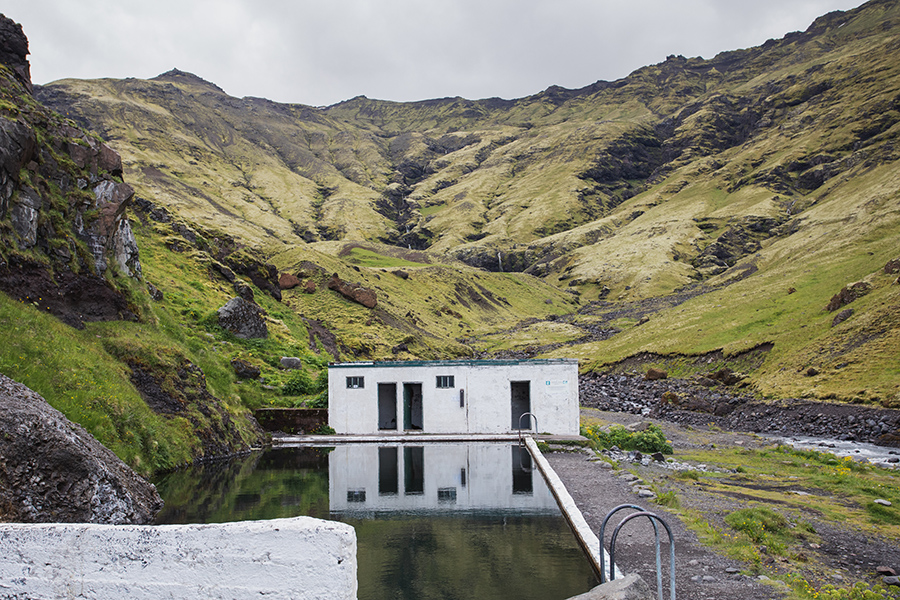
In the Seljavallalaug shot, the pool is masterfully positioned at a lower-right intersection, framed by majestic mountains. This strategic placement leads the viewer’s eye directly to the hidden gem, making the image feel like a visual discovery. It’s a perfect example of how deliberate positioning of a focal point can turn a simple landscape into a compelling narrative. The final result is infinitely more engaging than a straightforward, static record of a location.
Scientific evidence supporting grid-based composition techniques
Scientific research confirms that applying grid-based composition techniques significantly enhances the perceived beauty and appeal of a landscape photo. Eye-tracking studies reveal that people spend more time looking at images where key elements align with the rule of thirds. This reaction indicates that these compositional guidelines align with our brain’s innate visual processing preferences, proving that structure is fundamental to how we perceive art.
Further investigations show that balanced composition activates areas of the brain associated with aesthetic appreciation and emotional response. When a viewer looks at a scene composed using these principles, their eyes move through the frame smoothly and linger longer on the intentional focal points, finding the image more beautiful and intriguing. This extended engagement is the ultimate goal for any fine art landscape photography.
The connection between the rule of thirds and the golden ratio offers further validation for these grid-based methods. Both systems create proportions that are naturally harmonious and pleasing to the human eye. Whether you apply these composition techniques deliberately or intuitively, understanding the underlying science will undoubtedly strengthen your photographic work. This knowledge empowers you to create powerful landscape photography that resonates on a deep, emotional level with every viewer.
Using Leading Lines to Create Depth in Landscapes
Leading lines are a fundamental tool in photography, serving as powerful visual guides that steer the viewer’s eye directly toward your main subject. Whether they are natural formations like rivers or man-made structures such as paths and fences, these lines draw the observer deeper into the scene. Explore expert composition tips in landscape photography to learn how to master these essential visual pathways. A well-placed leading line adds a dynamic sense of movement to an otherwise static landscape photo.
Natural and Man-Made Lines That Guide Viewer Attention
Many effective landscape composition ideas begin with simply observing your surroundings before you even pick up your camera. Natural elements—like winding rivers, rugged coastlines, or the lines of tree trunks—can serve as strong and organic leading lines. Your job as a photographer is to find the perfect angle that fully unlocks their potential within your framing.
Human-made features are equally effective. A winding road, a long fence, or even architectural elements can offer clear, strong directional cues for the viewer. The key is to position these lines so they begin in the foreground and lead inward, toward the main subject. Be mindful to avoid any lines that unintentionally guide the eye right out of the frame.
- Converging lines: These are lines that appear to meet at a distant vanishing point. They create a powerful illusion of depth, pulling the viewer further into the composition.
- Curved lines: Gentle, flowing curves feel more natural and organic than sharp angles and provide a smooth, pleasing visual journey through the image.
- Multiple parallel lines: Repeating lines, such as rows of crops or columns, establish a strong sense of rhythm and pattern across the landscape photography scene.
- Line termination: Always ensure your lines lead toward the intended focal point. A line that ends abruptly or points to nothing can break the viewer’s engagement.
For a successful composition, it’s often crucial to place a prominent leading line in the immediate foreground. A strong line that enters from the bottom edge of the frame immediately grabs the viewer’s attention and clearly directs it toward the main subject. Weak or faint lines hidden in the background are rarely effective at pulling the eye into the scene.
Diagonal Composition Techniques for Dynamic Movement
Integrating diagonal lines is one of the most effective composition techniques for injecting energy and a feeling of action into your landscape photography. A dynamic diagonal visual path that travels from one corner of the frame to another introduces movement and significantly enhances the sense of depth. Many essential landscape composition tips emphasize the use of diagonals precisely because they feel active and naturally engaging.
You can amplify this dynamic effect by combining diagonal lines with distinct foreground layers. Try placing a large, interesting object near the lens; this will act as a starting point that guides the eye on a journey toward more distant elements. This practical guide on composition techniques often recommends using a low shooting angle to further exaggerate the perspective and amplify the grandeur of the scene.
Balancing Light and Color for Compelling Landscape Photography
The interplay of light and color shapes a viewer’s perception of a landscape photo more powerfully than any other visual element. A successful composition in landscape photography relies on the thoughtful arrangement of tonal values—brights, darks, and midtones—to guide the eye. This careful organization creates a compelling visual rhythm throughout the entire image.
Warm golden-hour light mixing with cool, shadowed valleys can add immense narrative depth to a scene. Balancing vibrant colors in the foreground against softer background tones helps maintain harmony, transforming an ordinary view into a powerful piece of art. Mastering these relationships elevates your work from simple documentation to emotionally resonant imagery.

The photograph of Svinafellsjökull Glacier exemplifies a powerful landscape composition: the icy blue glacier forms a striking focal point against the dark volcanic mountains, while the dramatic, cloud-filled sky adds depth and atmosphere. The careful framing emphasizes the glacier’s massive scale and intricate textures, and the stark contrast between ice and rock creates a visual rhythm that naturally guides the viewer’s eye through the scene. This balanced interplay of color, line, and space demonstrates how thoughtful composition can turn a natural vista into compelling artwork.
Creating Visual Flow from Dark to Bright Elements
Position your brightest, warmest tones near the focal point to immediately draw the eye. This technique directs the viewer‘s attention precisely where you want it within the frame. Darker, cooler colors should typically recede toward the edges, establishing a natural sense of depth.
This arrangement mimics how human vision is naturally drawn to warmth and brightness, while perceiving cool darkness as a background. In landscape photography, this light-to-dark flow transforms random scenes into carefully crafted visual experiences. Every part of the image works in concert to support your specific compositional vision.
- Warm Focal Point Placement: Golden light illuminating your main subject creates dominance and instantly captures the viewer‘s engagement.
- Cool Background Recession: Desaturated, cool-toned elements in the distance fade back, supporting the foreground‘s prominence without competing for attention.
- Shadow Framing: Natural shadows from ridges or trees can frame bright highlights, adding structure and focus to the scene.
You can test this principle by simply observing how your eye travels through different images. Bright areas command attention first, and warm colors naturally pull focus before cooler tones do. Arranging your composition to work with these inherent visual preferences ensures a stronger connection with your subject.
Contrast Strategies Using Warm and Cool Color Palettes
Landscape photography thrives on the strategic contrast between warm and cool tones to prevent images from appearing flat. Pairing the brilliant blues of glacier ice against dark volcanic rocks creates compelling visual tension. Combining a pink twilight sky with cool blue water generates excitement and avoids a monotonous look.
It’s crucial to balance saturated colors with muted tones so that no single element overwhelms the composition. This approach maintains a harmonious rhythm throughout your frame while keeping the subject prominent. These contrasting relationships are essential for adding dimension and preventing visual flatness.
- Complementary Color Pairing: Warm oranges against cool blues create powerful tension and establish an immediate, dominant focal point.
- Saturation Balance: Vibrant foreground elements contrasted with faded backgrounds establish clear depth and a strong visual hierarchy.
- Neutral Accent Introduction: Subtle grays or earth tones prevent color overload while adding graphic contrast to the scene.
- Low-Angle Light Intensity: Sunrise light hitting ice intensifies blue hues while warming the earth, creating a stunning simultaneous contrast.
In the Jökulsárlón glacier landscape photo, azure icebergs glow against a soft pink sky, demonstrating a perfect warm-cool balance. The foreground ice displays brilliant blues while the background fades into cool purples, establishing a strong atmospheric perspective. This layered approach transforms a simple color arrangement into sophisticated visual storytelling.
If natural gradients appear weak, post-processing offers an opportunity to enhance the dark-to-bright and cold-to-warm flows. Selective dodge and burn techniques can effectively brighten warm focal points while deepening cool shadows. This careful adjustment respects the original character of the scene while maximizing its overall emotional impact.
Enhancing Atmospheric Depth Through Selective Tonal Adjustments
Atmospheric perspective creates a convincing sense of spatial depth within a flat, two-dimensional photograph by shifting tones gradually. This natural phenomenon occurs because moisture in the air scatters light, making distant elements appear lighter, softer, and less saturated. Amplifying these progressions through careful composition dramatically strengthens the perceived depth.
Foreground elements should exhibit sharp detail and rich saturation, while the middle ground shows moderate clarity. Background elements will naturally appear soft and ethereal, completing the visual journey from near to far. Utilizing this layering effect is key to creating a three-dimensional feel in your landscape.
Capture dramatic cloudy skies to add layers and interest while effectively separating the land from the sky. Shooting during sunrise or twilight reveals subtle surface textures without the harsh shadows that can flatten the perspective. Use shadows cast by ridges to emphasize shape definition and guide the viewer on a journey through the landscape.
Advanced Framing and Storytelling Techniques in Landscape Composition
Scientific research confirms that specific compositional choices in landscape photography significantly influence a viewer’s aesthetic judgment and emotional connection to a scene. Studies on visual perception suggest that aligning key elements with established compositional grids increases brain activity associated with appreciating beauty. Discover why the Rule of Thirds and horizon placement make landscape photos more compelling through neurological evidence that confirms their powerful visual impact. These findings validate generations of artistic intuition, providing concrete proof that thoughtful arrangement directly enhances perceived beauty and deepens viewer engagement.
Natural Frames That Emphasize Scale and Context
Framing in landscape composition involves surrounding your main subject with natural features like mountain peaks, arching tree branches, or overhanging rock formations. These elements act as natural frames, much like matting on a painting, directing the viewer’s eye inward toward your focal point while establishing the scene’s context. Using foreground elements such as interesting rock formations, crevasses, or vegetation helps lead the viewer’s attention deeper into the image through a layered perspective. Consider adopting a high vantage point to showcase the full expanse of a valley or glacier within the broader landscape.
Alternatively, experiment with low angles to emphasize towering features and exaggerate the dramatic scale relationships between elements. Including human-scale references—such as a solitary hiker, small trees, or winding trails—provides viewers with a tangible sense of size within vast natural environments.
Visual Narrative Through Contrasting Elements and Layers
Visual storytelling in landscape photography truly comes alive when you intentionally contrast man-made structures with organic natural forms to convey deeper meaning. For instance, a geometric building surrounded by wild, untamed mountains tells a compelling story of human presence within remote wilderness. You can create tonal contrast by combining warm golden-hour light with cool, shadowed valleys to add narrative depth and dimension. Distinguish your compositional layers through color contrast, such as vibrant foreground greens against muted background stone formations, to naturally guide viewers through the image.
This technique moves the eye progressively from the foreground through the middle ground and into the background, creating a visual journey that mirrors our experience of spatial reality. Capture reflective surfaces like calm water at sunrise to mirror the sky, emphasizing an oasis-like quality within rugged terrain. Pausing for 5 to 30 minutes before shooting allows you to fully absorb the scene and observe how light and weather conditions evolve. This mindful observation often reveals hidden compositional opportunities and fosters a deeper connection to the location, resulting in a more authentic and compelling landscape photo.
- Man-made versus natural contrast: Juxtaposing geometric structures against organic forms creates visual tension that engages the viewer on multiple levels.
- Tonal layering: Separating bright areas, shadows, and midtones establishes a visual rhythm that naturally guides attention through the composition.
- Color separation: Placing distinct hues in the foreground, middle ground, and background helps create natural spatial depth and clarity.
- Narrative context inclusion: Small figures or structures provide scale reference while reinforcing themes of exploration and discovery.
These advanced techniques transform landscape photographs from simple documentation into fine art that communicates emotion, story, and vision. Every decision—from horizon placement to the inclusion of human elements—contributes to the overall visual narrative. Ultimately, these choices determine whether viewers simply glance at your image or form a deep, lasting connection with your artistic vision.
Frequently Asked Questions
What is the rule of thirds in landscape photography?
The rule of thirds involves imagining a grid of two horizontal and two vertical lines dividing your scene into nine equal parts. Rather than placing the main subject dead center, you position key elements like the focal point or the horizon line along these lines or at their intersections. This technique helps create a more natural and balanced composition that feels more engaging to the viewer.
Visual studies confirm that viewers are instinctively drawn to photos where important elements align with these grid points. Using this guide regularly will train your eye to create more harmonious landscape photography almost automatically. With practice, you will intuitively craft compelling scenes in your landscape photo work.
How do I use leading lines effectively in landscape photography?
Leading lines are powerful visual elements that guide the viewer’s gaze from the foreground into the main part of your composition. Seek out natural or man-made lines—such as a winding river, a path, or a fence—that start near the camera and recede into the space of the image. It’s crucial that these lines point toward your main subject rather than leading the eye out of the frame.
Shooting from a low angle can make lines converge toward the sky, dramatically enhancing the feeling of depth and perspective. A strong diagonal line can inject energy and dynamism, while a gentle curve feels more natural and serene. Placing these lines prominently in the immediate foreground is one of the most effective ways to draw the viewer deep into the scene.
What are the most important composition rules for landscape photography?
For great landscape photography, begin with the rule of thirds to achieve a well-placed horizon line and a balanced focal point. Incorporate leading lines to direct attention through the scene, and be mindful of negative space to prevent the composition from feeling cluttered. Creating a sense of perspective is also key—keep the foreground sharp and detailed while letting the background recede softly.
You can also use natural elements to frame your main subject, which helps maintain visual balance and adds layers to your image. Before you shoot, always identify the core element that captivated you and remove any potential distractions. Finally, studying the work of others and practicing your own sketches will help solidify these composition rules into your own creative process.